Introduction to EV Home Charging in Malaysia
Transitioning to an Electric Vehicle (EV) in Malaysia is an exciting milestone. Whether you drive a BYD Seal, a Tesla Model Y, a smart #1, or a Porsche Taycan, the convenience of waking up to a fully charged vehicle every morning is unmatched. However, transitioning from public DC fast chargers to a dedicated home AC wallbox requires strict adherence to local electrical regulations, utility standards, and safety codes.
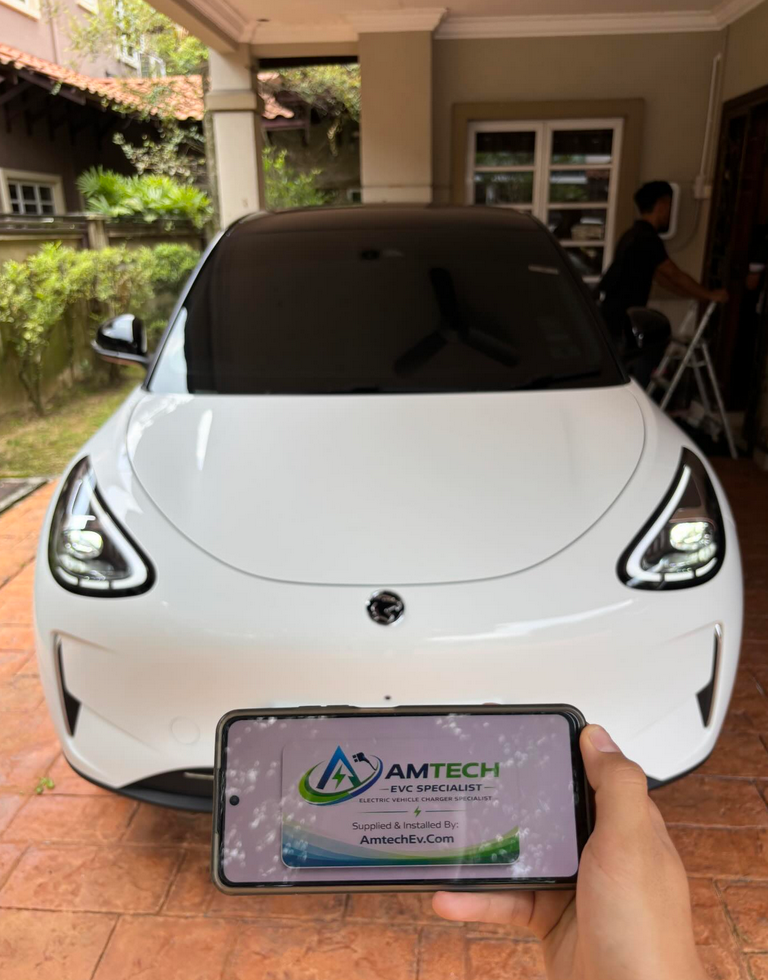
At Amtech EV (amtechev.com), Malaysia's premier EV charger supply, consultation, and certified installation specialist, we believe that safety, compliance, and optimal power matching are paramount. This comprehensive guide explores everything you need to know about EV home charger installation in Malaysia, covering power ratings (7.4kW, 11kW, 22kW), Tenaga Nasional Berhad (TNB) requirements, Suruhanjaya Tenaga (Energy Commission) guidelines, protection devices, and financial incentives.
1. Choosing the Right Power Rating: 7.4kW vs 11kW vs 22kW
Selecting the correct AC wallbox depends on two primary factors: your home's incoming electrical supply (Single-Phase vs Three-Phase) and your EV's onboard charger (OBC) capability.
Single-Phase Supply (7.4kW)
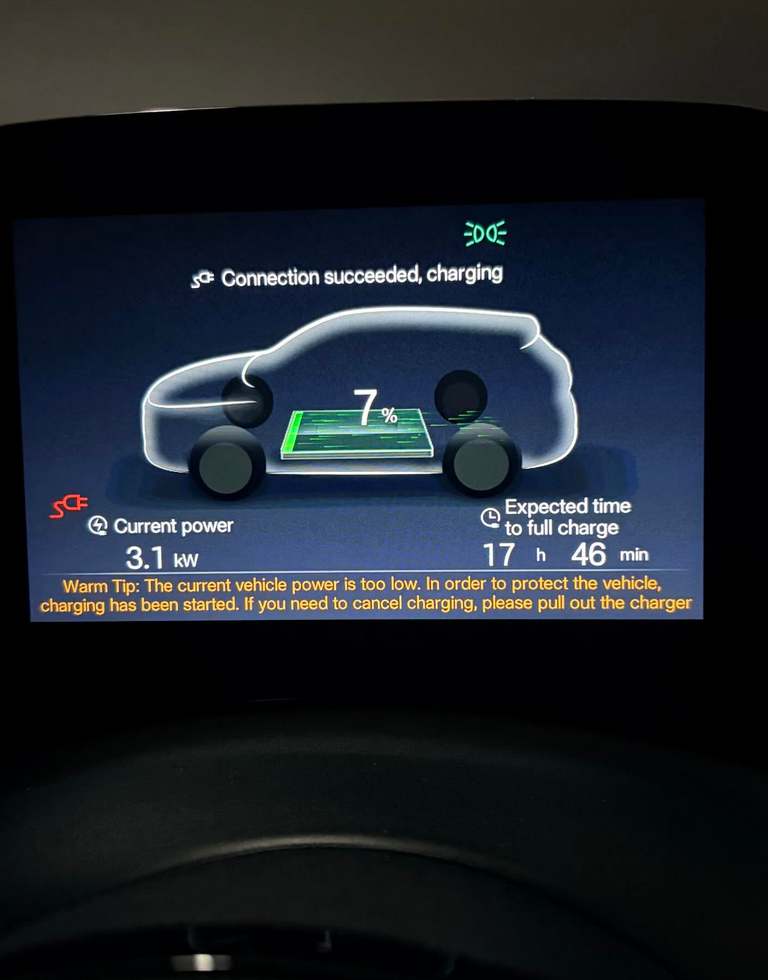
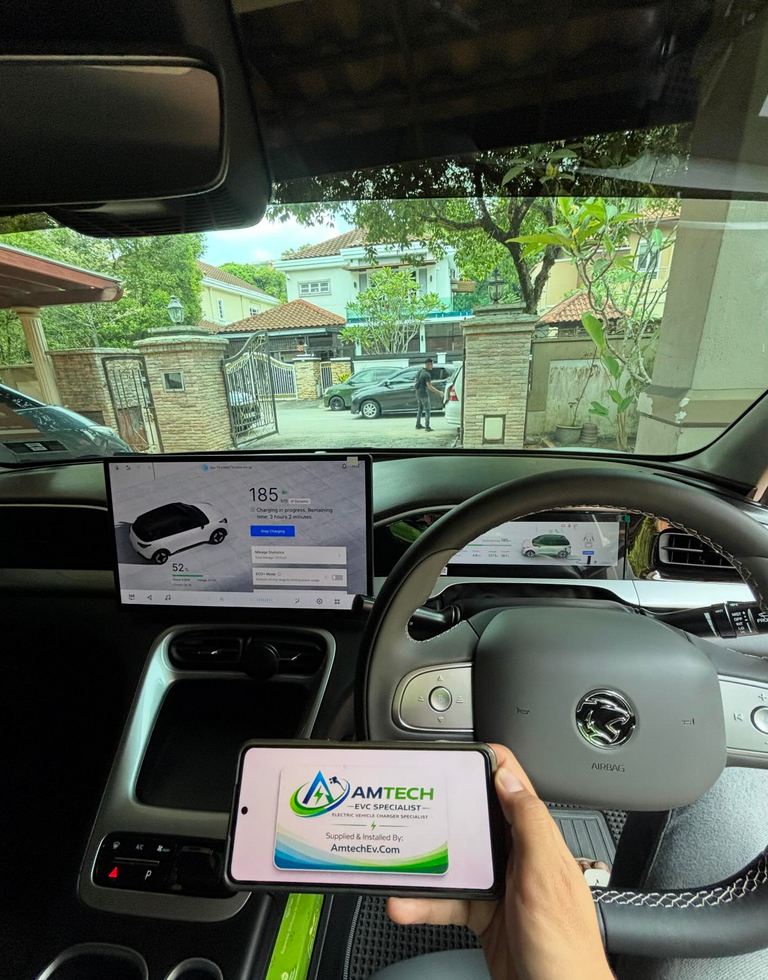
Most Malaysian landed homes built before recent years operate on a single-phase 230V electrical supply, capped at 32A. A 7.4kW wallbox is the maximum output achievable on a single-phase connection. It delivers approximately 32A of current, adding roughly 35-40 km of range per hour of charging. This is more than sufficient for the average Malaysian daily commute of 40-60 km, easily completing a full overnight charge (0% to 100%) in 6 to 8 hours.
Three-Phase Supply (11kW vs 22kW)
Three-phase supplies (400V, up to 63A per phase) are standard in newer condominiums, modern landed properties, and commercial premises.
- 11kW Charger (16A Three-Phase): Matches many popular European and Asian EVs equipped with an 11kW onboard charger. Delivers around 55-65 km of range per hour.
- 22kW Charger (32A Three-Phase): Requires a robust 32A three-phase supply and an EV with a 22kW onboard charger (such as certain premium models or optional upgrades). It can fully charge a large battery pack in 3 to 4 hours. Note that many mainstream EVs cannot accept 22kW AC charging, making it redundant unless your specific vehicle supports it.
2. Technical Comparison of Charger Specs
| Parameter | Single-Phase (7.4kW) | Three-Phase (11kW) | Three-Phase (22kW) |
|---|---|---|---|
| Electrical Supply | 230V, 1-Phase, 32A | 400V, 3-Phase, 16A | 400V, 3-Phase, 32A |
| Connector Type | IEC 62196 Type 2 | IEC 62196 Type 2 | IEC 62196 Type 2 |
| Charging Speed | ~35-40 km/hour | ~55-65 km/hour | ~110-120 km/hour |
| Typical Home Suitability | Standard landed homes | Modern landed / Condos | High-end landed / Commercial |
| Estimated Install Cost (RM) | RM 2,500 – RM 4,500 | RM 3,500 – RM 6,000 | RM 4,500 – RM 8,000+ |
3. Malaysian Regulatory Framework: Suruhanjaya Tenaga & TNB
Installing an EV charger is not a standard DIY electrical job. In Malaysia, electrical installations are strictly governed by the Energy Commission (Suruhanjaya Tenaga - ST) and Tenaga Nasional Berhad (TNB).
Suruhanjaya Tenaga Guidelines & MS IEC Standards
Under ST regulations, any fixed EV charging system installation must comply with MS IEC 61851 (EV conductive charging system standards) and MS IEC 62196 (Plugs, socket-outlets, vehicle connectors). Installations must be executed exclusively by ST-certified competent electrical contractors.
TNB Supply Upgrades & Applications
If your home currently operates on a single-phase supply and you wish to install an 11kW or 22kW three-phase charger, you must submit a supply upgrade application to TNB. Amtech EV manages this end-to-end for our clients, ensuring your main switchboard (MSB) and meter board comply with TNB's current loading requirements.
Pro Tip on Tariffs: While TNB currently applies the standard Domestic Tariff A for residential EV charging, homeowners utilizing solar PV systems (Net Energy Metering - NEM 3.0 Rakyat) can achieve near-zero running costs by scheduling their EV charging during peak solar generation hours (10:00 AM to 3:00 PM).
4. Mandatory Safety Protections: RCCB, Earthing & Bomba Protocols
Safety is the cornerstone of every Amtech EV installation. High-power continuous loads demand rigorous protection mechanisms:
- Type B RCCB / Type A + 6mA DC Protection: EV charging can introduce DC residual currents into the domestic AC circuit. Standard Type AC RCCBs will blind themselves and fail to trip during a DC fault. Suruhanjaya Tenaga strictly mandates either a dedicated Type B Residual Current Circuit Breaker (RCCB) or a Type A RCCB paired with a 6mA DC residual direct current detection device.
- Dedicated Earthing System: A low-impedance earthing system is vital. We ensure independent TT earthing rod installations where earth resistance is rigorously tested to remain well below 10 ohms, safeguarding against potential chassis-live faults.
- Jabatan Bomba dan Penyelamat Malaysia (JBPM) Compliance: For commercial properties, strata buildings, and high-risk enclosed garages, fire safety clearances, thermal monitoring, and strategic wallbox placement away from primary exit routes are enforced.
5. Government Incentives: LHDN Tax Relief up to RM2,500
To accelerate green mobility, the Malaysian Government via Lembaga Hasil Dalam Negeri (LHDN) provides an individual income tax relief of up to RM2,500 for EV charging equipment purchase, rental, hire-purchase, and installation fees. This tax relief is applicable until 2027. Keep all invoices from certified installers like Amtech EV to claim this deduction during your annual tax filing.
6. Frequently Asked Questions (FAQ)
Q1: Can I install an EV charger in a Malaysian condominium or apartment?
Yes, but it requires formal approval from your Joint Management Body (JMB) or Management Corporation (MC). You must engage a certified contractor like Amtech EV to conduct a site survey, assess sub-metering options, and tap into your designated car park distribution board safely in compliance with ST guidelines.
Q2: Do I need to upgrade my TNB meter for a 7.4kW charger?
Generally, a standard single-phase 32A home supply can support a 7.4kW charger, provided your total household maximum demand (airconds, water heaters, induction cookers) does not trip your main 40A or 63A circuit breaker. A load assessment by Amtech EV will confirm this.
Q3: What happens if water gets into the charging port during a tropical Malaysian thunderstorm?
Type 2 charging connectors and wallboxes are weatherproof (typically rated IP55 or IP65). They feature communication protocols that do not energize the pins until a secure, handshaking digital connection is established between the car and the charger. It is entirely safe to charge in the rain.
Q4: How long does a professional home installation take?
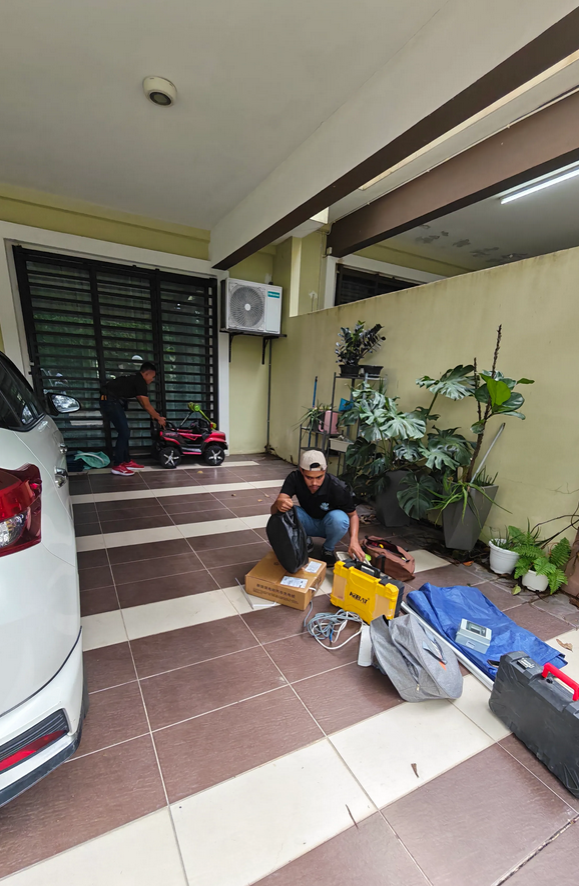
A standard residential installation by Amtech EV typically takes between 3 to 5 hours, depending on cable run lengths, trunking requirements, and switchboard modifications.