Introduction to EV Home Charging in Malaysia
As Malaysia accelerates its transition toward sustainable electric mobility, installing a dedicated Electric Vehicle Charging Station (EVCS) at home has become the gold standard for EV owners. Relying exclusively on public DC fast chargers (like Gentari, ChargEV, or JomCharge) is convenient for highway trips, but residential charging offers unmatched cost-efficiency, battery longevity, and convenience.
At Amtech EV (amtechev.com), Malaysia's premier EV charger supply, consultation, and certified installation specialist, we encounter numerous misconceptions regarding power ratings, electrical safety, and regulatory compliance. This definitive technical guide walks you through everything you need to know about installing a home wallbox in Malaysia, adhering strictly to Suruhanjaya Tenaga (Energy Commission) guidelines, TNB standards, and international safety codes.
Single-Phase vs. Three-Phase Supply: 7.4kW, 11kW, and 22kW Compared
Choosing the right EV charger depends heavily on your home's existing electrical infrastructure and your vehicle's onboard charger (OBC) capability. In Malaysia, residential properties typically feature either a Single-Phase (230V) or Three-Phase (400V) TNB electrical supply.
- 7.4kW (Single-Phase, 32A): The most common home charging solution in Malaysia. It draws 32 Amperes on a single phase. Most mainstream EVs (such as the BYD Atto 3, Tesla Model 3/Y Standard Range, and Hyundai Ioniq 5) support 7kW AC charging.
- 11kW (Three-Phase, 16A per phase): Ideal for homes with three-phase TNB supply and vehicles equipped with 11kW OBCs (like many European models and high-spec Asian EVs).
- 22kW (Three-Phase, 32A per phase): Requires a robust three-phase supply. While fast, very few consumer EVs support 22kW AC charging natively (Renault Zoe, Porsche Taycan with optional 22kW OBC). For most residential users, 22kW is unnecessary unless future-proofing for dual-vehicle households.
Technical Comparison Table
| Parameter | 7.4kW Single-Phase | 11kW Three-Phase | 22kW Three-Phase |
|---|---|---|---|
| Electrical Supply | Single-Phase (230V) | Three-Phase (400V) | Three-Phase (400V) |
| Max Current Draw | 32A | 16A per phase | 32A per phase |
| TNB Supply Requirement | Standard Single-Phase | Three-Phase Upgrade Needed | Three-Phase Upgrade Needed |
| Average Charging Time (0-100% for 60 kWh battery) | ~8.5 Hours | ~6 Hours | ~3 Hours (if vehicle supports) |
| Typical Installation Cost (Hardware + Labor) | RM3,500 - RM5,500 | RM4,500 - RM7,000 | RM6,000 - RM9,500+ |
Suruhanjaya Tenaga (ST) & TNB Regulatory Compliance
In Malaysia, you cannot simply plug any high-voltage appliance into your distribution board. Safety and legality dictate adherence to strict regulatory frameworks:
- Suruhanjaya Tenaga Guidelines: Any fixed installation of an EVCS exceeding standard 3-pin plug ratings must be performed by a Suruhanjaya Tenaga-certified electrical contractor. Non-certified DIY installations violate national electricity regulations and void insurance coverage.
- TNB Application & Upgrades: If you are upgrading from a single-phase to a three-phase supply to support an 11kW or 22kW charger, an application must be submitted to Tenaga Nasional Berhad (TNB) via a registered electrical contractor. Furthermore, for high-load installations, TNB may require a site assessment to ensure your neighborhood transformer can handle peak residential demand.
- Mandatory Safety Protections: MS IEC 61851 and MS IEC 62196 standards dictate that every home EV charger must feature dedicated protection against earth leakage and DC residual currents. This mandates either a Type B RCCB or a standard Type A RCCB paired with an integrated 6mA DC residual current detector. Additionally, the dedicated earthing system must achieve a resistance reading of less than 10 ohms (< 10Ω) via a dedicated copper-bonded earth rod.
Government Incentives: LHDN Tax Relief up to RM2,500
To encourage green mobility, the Malaysian Government through Lembaga Hasil Dalam Negeri (LHDN) offers individual income tax relief of up to RM2,500 for the purchase, installation, rental, or hire-purchase subscription fees of EV charging equipment. This relief is valid for assessment years up to 2027. Retain all official tax invoices and Amtech EV certification documents to claim this deduction during your annual e-Filing.
Step-by-Step Installation Process with Amtech EV
- Site Survey & Consultation: Our certified engineers evaluate your home's main switchboard (DB), cable run distance, and earthing integrity.
- TNB Load Assessment: We determine if your current single-phase (e.g., 60A) or three-phase supply requires upgrading.
- Proposal & Quotation: Transparent pricing covering premium hardware (OCPP-enabled smart chargers with RFID/App control), armored cabling, and safety switchgear.
- Professional Installation: Execution by ST-certified wiremen, adhering strictly to Jabatan Bomba dan Penyelamat Malaysia (JBPM) fire safety guidelines and MS IEC standards.
- Weatherproofing & Testing: Rigorous multimeter and insulation resistance testing, followed by issuance of the official test certificate and handover.
"Safety is not expensive; it is priceless. Never compromise on certified electrical protection when charging a multi-thousand-ringgit electric vehicle overnight." — Amtech EV Technical Team.
Frequently Asked Questions (FAQ)
1. Can I charge my EV using a normal 3-pin wall socket?
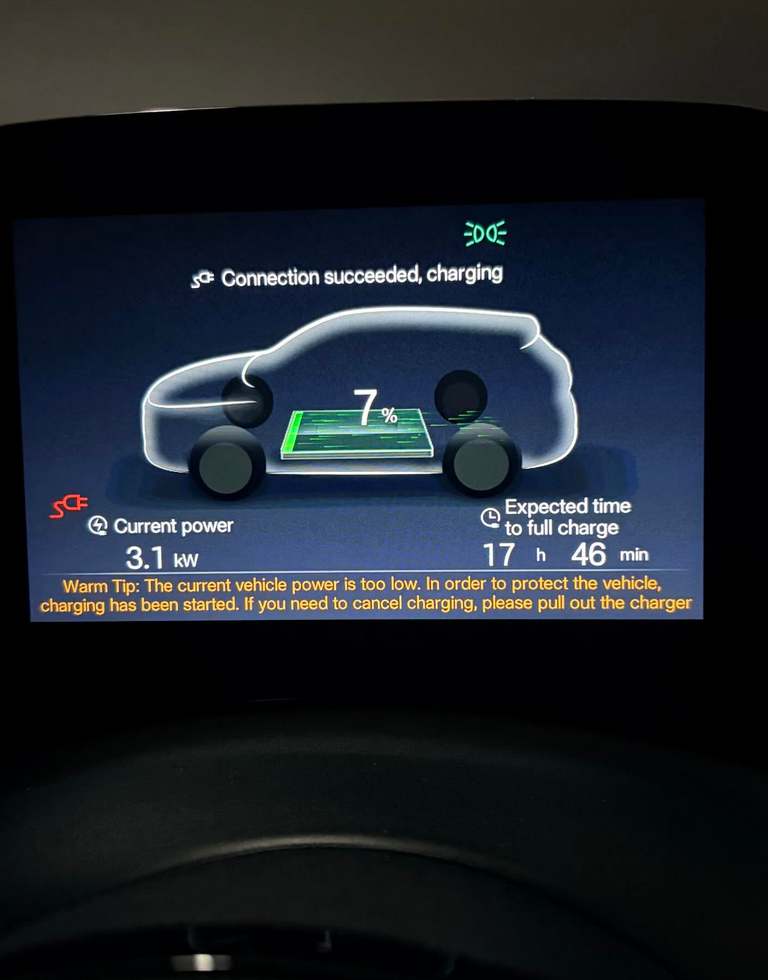
Yes, using a Portable EV Cord Set (IC-CPD) plugged into a standard 13A socket is possible, but it is strictly intended for emergency or slow trickle charging (approx. 2.3kW to 3kW). Continuous high-load drawing over 8–10 hours can overheat standard domestic wiring, leading to socket degradation or fire risks. A dedicated wallbox is far safer and faster.
2. Do I need permission from my condo JMB or MC to install a charger?
If you live in a high-rise strata property in Malaysia, you must obtain written approval from your Joint Management Body (JMB) or Management Corporation (MC). Amtech EV assists strata residents by providing professional endorsement letters, power-draw calculations, and wiring schematics to present during committee meetings.
3. Can I integrate my EV charger with a residential Solar PV system?
Absolutely! Combining solar PV (Net Energy Metering - NEM 3.0 Rakyat or Self-Consumption - SELCO) with a smart EV charger allows you to charge your vehicle entirely using free daytime solar energy, drastically cutting your cost per kilometer to near zero.
4. What happens if lightning strikes near my home during charging?
Certified Amtech EV installations incorporate robust surge protection devices (SPD) within your distribution board to safeguard both your home's electrical grid and your EV's onboard electronics against voltage transients and lightning surges.