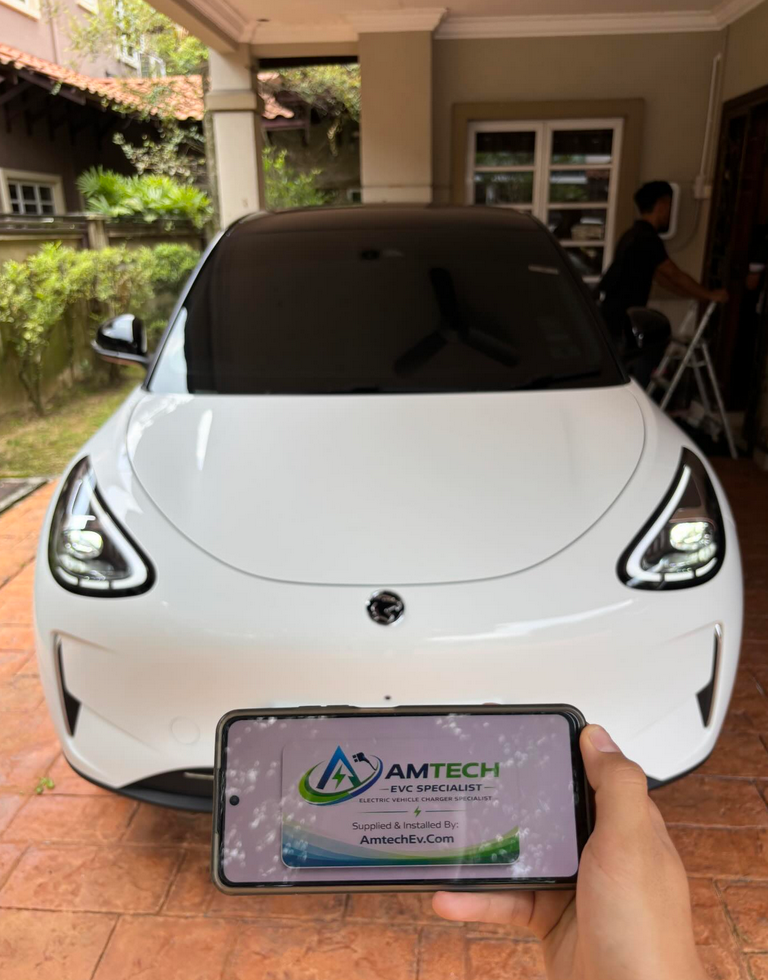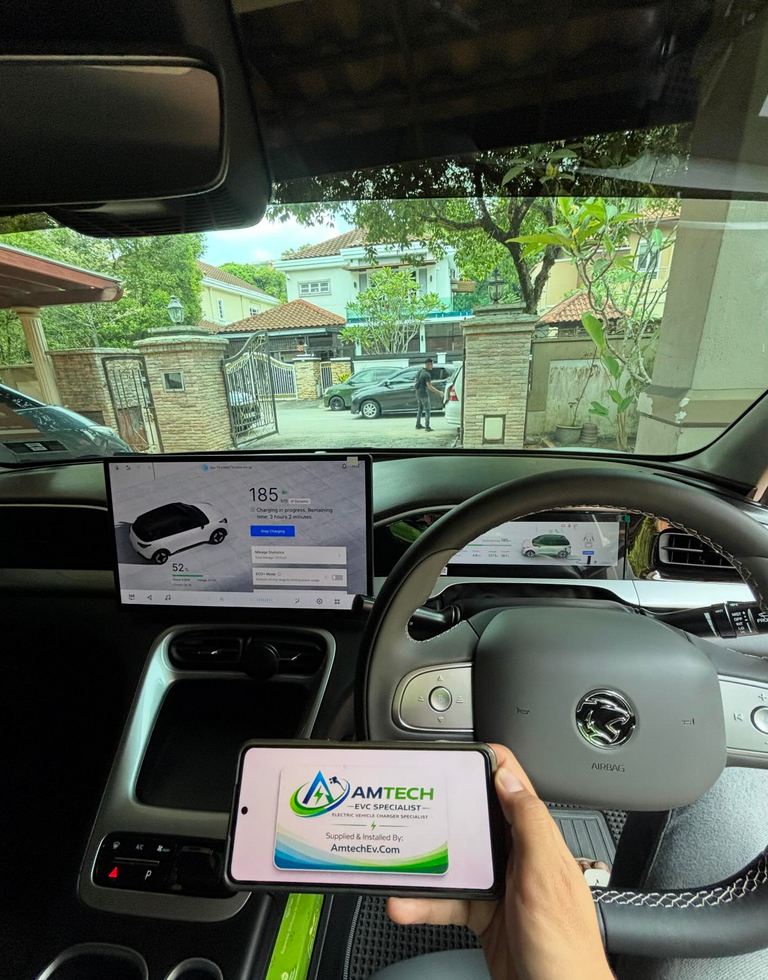
Electric vehicles (EVs) are gaining momentum in Malaysia as more consumers become interested in greener transportation and lower operating costs. With government incentives, tax exemptions, and an increasing number of EV models entering the market, many Malaysians are now seriously considering switching from petrol-powered cars to EVs.
However, owning an EV is not only about saving money on petrol. There are several important factors that drivers need to evaluate carefully before deciding whether an EV truly fits their lifestyle and long-term budget.

Lower Running Costs — But Not Always Cheaper Overall
One of the main reasons people are attracted to EVs is the potential reduction in fuel expenses. Compared to petrol vehicles, EVs generally offer lower energy costs per kilometre and require less routine servicing because they have fewer moving parts. Owners do not need engine oil changes, spark plugs, or timing belt replacements.
Despite these savings, the higher purchase price of EVs remains a major concern in Malaysia. Most imported EVs are still significantly more expensive than traditional petrol cars, making them inaccessible for many middle-income buyers.
Malaysia’s fuel subsidy system also reduces the financial pressure of petrol costs, which means the savings from switching to EVs may not feel as significant compared to countries with higher fuel prices.
Charging Infrastructure Is Still Developing
Charging accessibility remains one of the biggest challenges for EV adoption in Malaysia. While charging stations are expanding rapidly in major cities and highways, coverage is still uneven across many areas, especially outside urban regions.
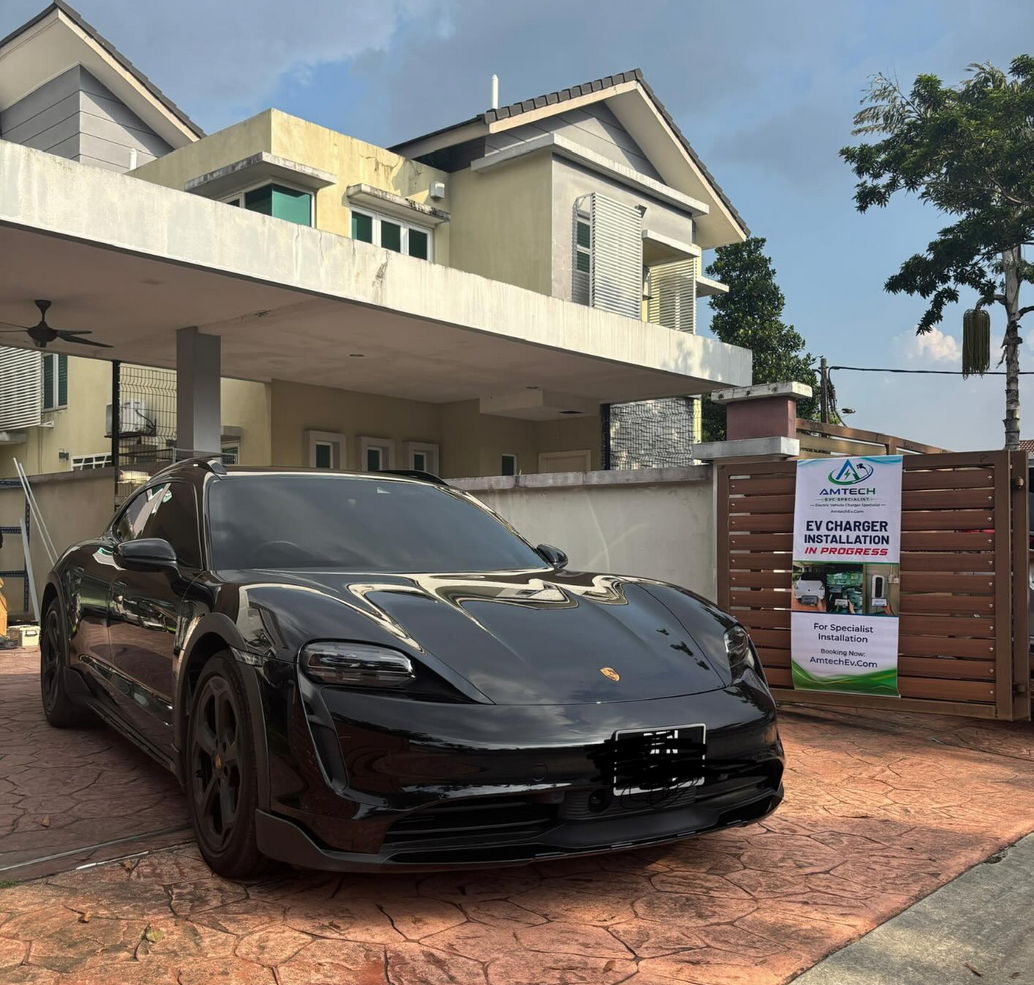
For homeowners with private parking, installing a home charger can make EV ownership far more convenient. However, people living in apartments or condominiums may face difficulties due to limited charging facilities or building management restrictions.
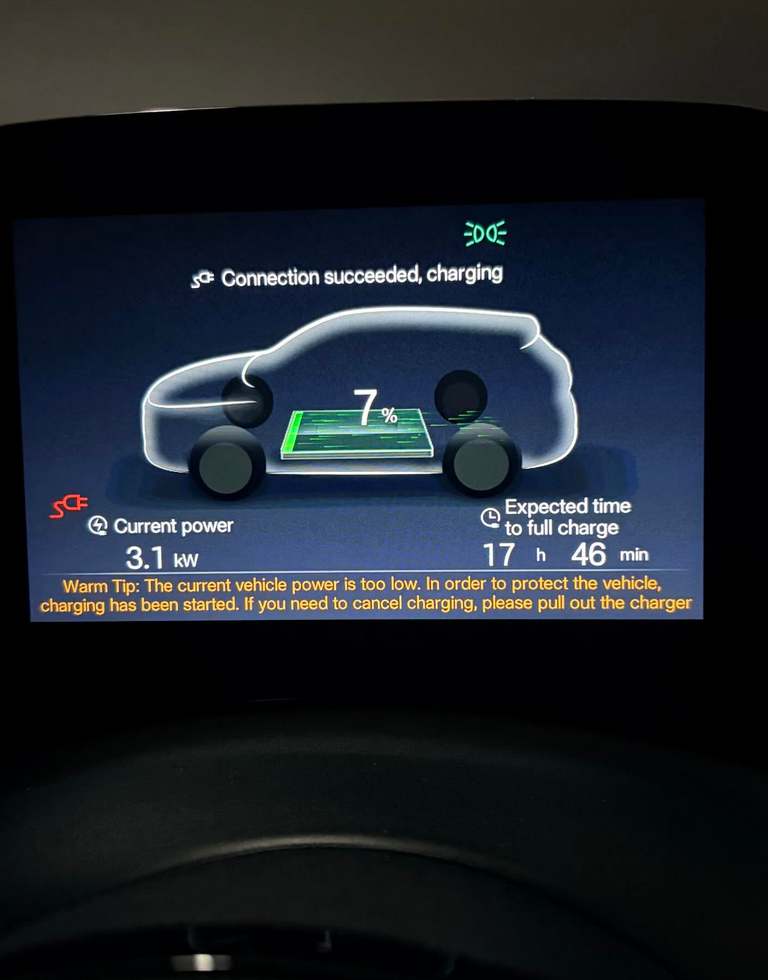
Another concern is charging time. Unlike petrol vehicles that can be refueled within minutes, EVs may require hours to fully recharge depending on the charger type. Fast chargers help reduce waiting time, but they are still less common compared to traditional petrol stations.
Many Malaysian drivers also continue to experience “range anxiety” — the fear of running out of battery power before finding a charging station. This becomes more relevant during long-distance travel or festive balik kampung journeys.
Battery Lifespan and Replacement Costs
Battery health is another major consideration for potential EV buyers. Although modern EV batteries are designed to last many years and most manufacturers now offer warranties of up to eight years, replacement costs after the warranty period can still be expensive.
Some consumers are also concerned about how Malaysia’s hot climate may affect long-term battery performance. However, newer EV models now include improved thermal management systems designed to handle tropical weather conditions more effectively.
Resale Value and Rapid Technology Changes
Another issue often discussed among Malaysian car buyers is EV depreciation. Since EV technology is evolving quickly, many consumers worry that newer models with better battery performance and faster charging capabilities could reduce the resale value of older EVs.
Some second-hand EV listings in Malaysia have already shown relatively steep depreciation compared to conventional petrol vehicles. This uncertainty makes some buyers hesitant to invest heavily in EVs today.
Conclusion
Electric vehicles are clearly becoming an important part of Malaysia’s automotive future. For many drivers, EVs can provide lower operating costs, modern technology, and a more environmentally friendly driving experience.
But before making the switch, buyers should carefully evaluate their daily driving habits, charging access, budget, and long-term expectations. In the end, the best vehicle is not necessarily the newest technology — it is the one that best fits your lifestyle and practical needs.