Introduction to Electric Vehicle Charging in Malaysian High-Residences
As Electric Vehicle (EV) adoption accelerates across Malaysia, a critical infrastructure challenge arises for the high-rise living community: installing private EV chargers in strata-titled properties like condominiums and apartments. While landed property owners can install wallboxes with relative ease, residents in strata buildings must navigate a complex web of building management policies, strata laws, electrical capacities, and safety regulations.
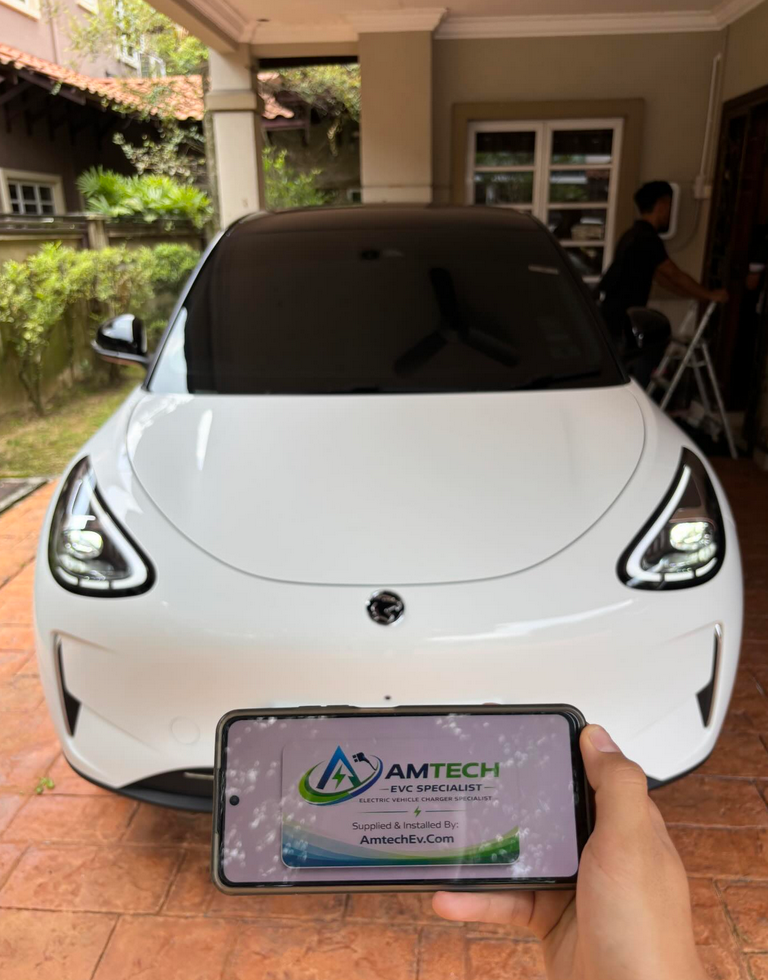
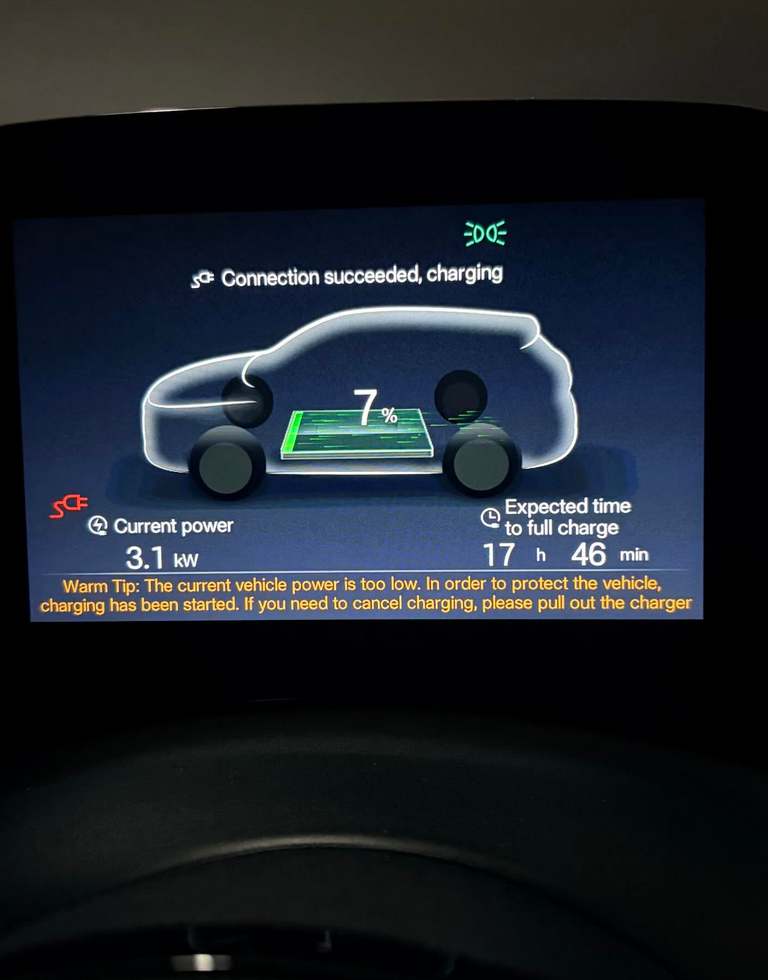
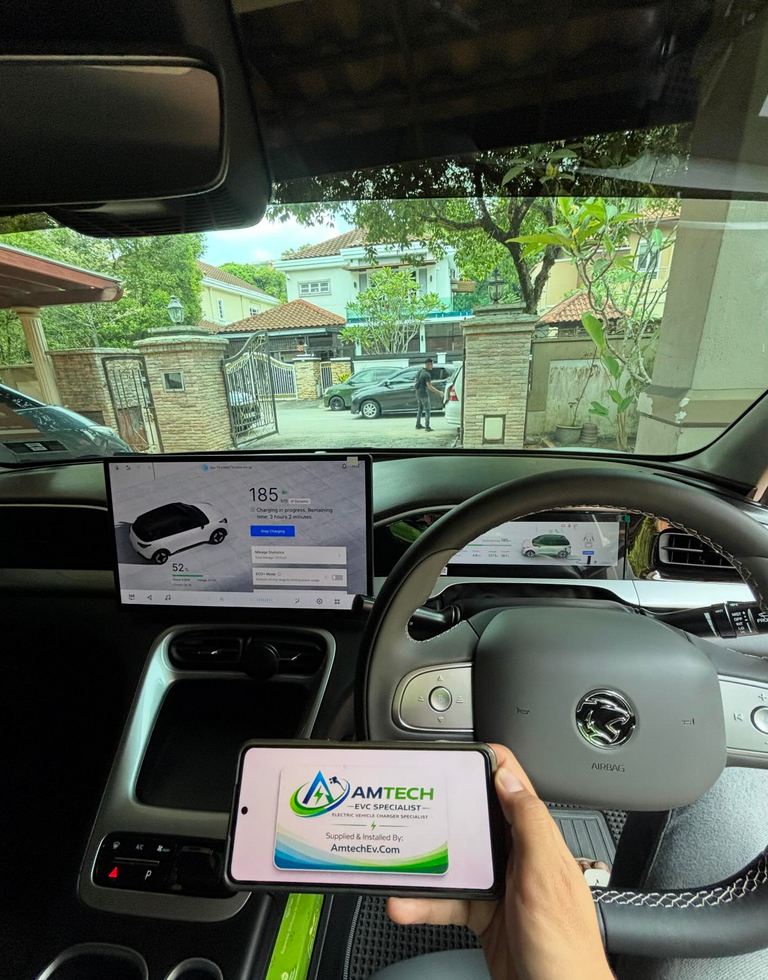
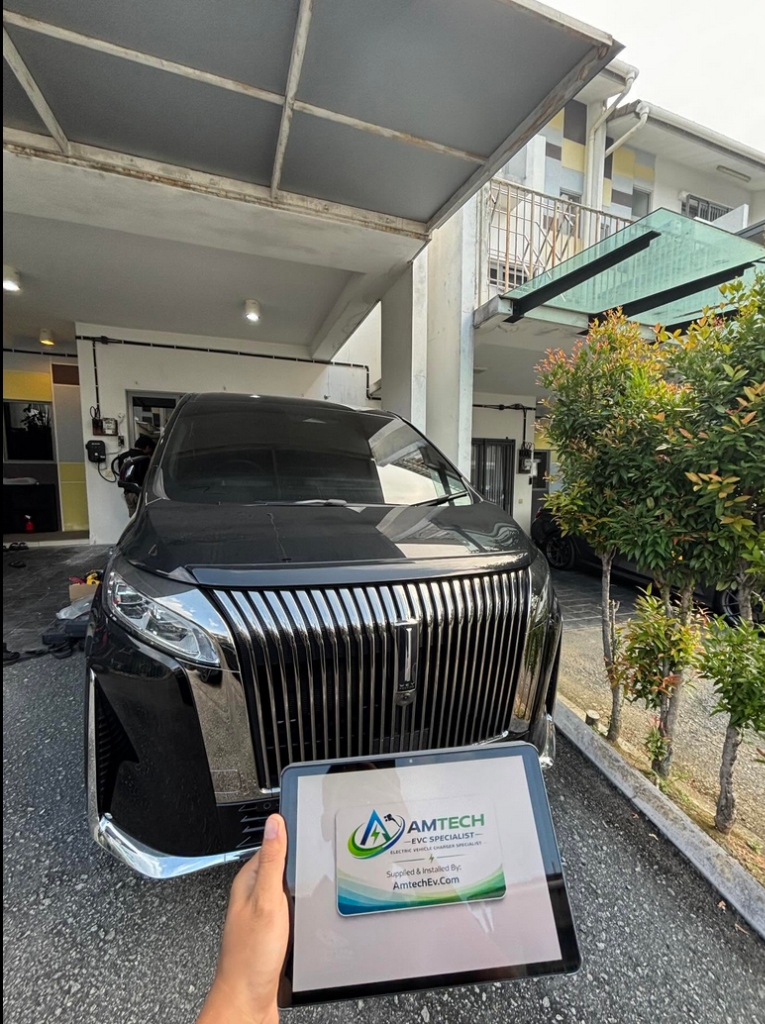
At Amtech EV (amtechev.com), we have successfully consulted, engineered, and deployed hundreds of residential and strata EV charging systems across Malaysia. This comprehensive master guide outlines the exact technical, regulatory, and procedural steps required to lawfully and safely install an EV charger in your Malaysian condominium parking bay.
1. Regulatory Framework & Safety Standards in Malaysia
Electricity is a dangerous utility, and high-current continuous loads like EV charging demand uncompromised adherence to Malaysian statutory regulations. Improper DIY installations or uncertified contractors not only void your vehicle's warranty and your home insurance, but they also pose severe electrocution and fire hazards.
Suruhanjaya Tenaga (Energy Commission) & MS IEC Standards
Under the Electricity Supply Act 1990, any electrical installation work in Malaysia must comply with Suruhanjaya Tenaga (ST) guidelines. Specifically, EV charging systems must strictly adhere to:
- MS IEC 61851: Electric vehicle conductive charging system standards.
- MS IEC 62196: Plugs, socket-outlets, vehicle connectors, and vehicle inlets (Standardizing Type 2 AC and CCS2 DC charging in Malaysia).
- MS IEC 60364: Low-voltage electrical installations.
Crucial Protection & Earthing Requirements
An approved EV charger installation must feature robust protective devices:
- Type B RCCB (Residual Current Circuit Breaker) OR a combination of Type A RCCB with 6mA DC residual direct current detection. This prevents blinding of the residual current device by smooth DC fault currents.
- Dedicated Earthing System: The sub-main cabling must include a dedicated earth conductor, ensuring an earth resistance value of ideally below 10 ohms conforming to ST requirements.
- Jabatan Bomba dan Penyelamat Malaysia (JBPM): Fire safety compliance, ensuring chargers are not placed near flammable storage and feature emergency thermal cut-offs where necessary.
2. TNB Electricity Supply & Infrastructure Realities in Condos
Before approaching your Joint Management Body (JMB) or Management Corporation (MC), you must understand your building's electrical ecosystem provided by Tenaga Nasional Berhad (TNB).
Single-Phase vs. Three-Phase Power
- Single-Phase (230V): Typically allows up to 32A, delivering a maximum charging output of 7.4 kW. Suitable for overnight charging (0% to 100% in 6 to 8 hours for standard passenger EVs).
- Three-Phase (400V): Allows up to 16A or 32A, delivering 11 kW to 22 kW. Ideal if your EV onboard charger supports 11kW/22kW and you require faster turnaround times.
TNB Tariffs and Smart Meter Synergy
Most Malaysian households operate under TNB Tariff A (Domestic), which features a tiered block rate structure. However, savvy EV owners can leverage smart meters and future Time-of-Use (ToU) tariffs to schedule overnight charging during off-peak hours when electricity generation costs are lower. Furthermore, pairing your home wallbox with a residential Solar PV system allows for zero-cost green commuting.
3. Step-by-Step Guide to Obtaining JMB / MC Approval
Strata management bodies are often hesitant due to liability, power load concerns, and aesthetic consistency. Winning approval requires a professional, well-documented proposal.
- Engage a Certified Specialist (Amtech EV): Do not submit amateur sketches. Secure a formal technical proposal from a Suruhanjaya Tenaga-registered electrical contractor.
- Conduct a Site Feasibility Study: Assess the distance from your condo's main distribution board (DB) or sub-meter room to your designated parking bay. Long cable runs (exceeding 50 meters) require thicker copper cables (e.g., 10mm² or 16mm² XLPE/SWA/PVC) to minimize voltage drop.
- Sub-Metering & Billing Solution: Propose a dedicated kWh sub-meter (such as MID-certified meters or smart OCPP-enabled chargers with RFID/app billing) so the management can accurately bill you for the exact electricity consumed, removing any fears of 'stealing' common property electricity.
- Submit Formal Application to JMB/MC: Include engineering diagrams, insurance coverage proof (Public Liability Insurance), and contractor credentials.
- Sign a Deed of Mutual Covenants / Indemnity Agreement: Agree to maintain the equipment and restore the common property to its original state upon moving out.
4. Cost Breakdown: What to Expect in Ringgit Malaysia (RM)
Transparent budgeting is vital. Below is an estimated cost matrix for installing a standard 7.4kW single-phase smart wallbox in a Klang Valley condominium with a 30-meter cable run.
| Cost Component | Description | Estimated Price (RM) |
|---|---|---|
| EV Smart Wallbox (7.4kW) | Type 2 tethered/socketed charger with OCPP & App control | RM 3,000 - RM 5,500 |
| Sururhanjaya Tenaga Certified Labor | Professional installation, testing, commissioning & DB integration | RM 800 - RM 1,500 |
| Cabling & Containment (30m) | Heavy-duty XLPE/SWA copper cable + trunking / conduit | RM 900 - RM 2,000 |
| Safety Protections | Type B RCCB / Type A + 6mA DC protection + MCB + Isolator switch | RM 450 - RM 900 |
| Sub-Meter & Dynamic Load Balancing | Billing sub-meter and CT clamp for house load management | RM 300 - RM 800 |
| Total Estimated Investment | Complete turnkey compliant installation | RM 5,450 - RM 11,700 |
Pro Tip on Government Incentives: Remember that under the Malaysian Budget initiatives, individual income tax relief of up to RM2,500 is claimable under LHDN for EV charging equipment purchase, rental, installation, or subscription fees (valid until 2027). Keep all official invoices from certified suppliers like Amtech EV!
Frequently Asked Questions (FAQ)
1. Can my condo JMB legally reject my EV charger installation request?
While JMBs cannot outright ban EVs, strata management has the legal authority under the Strata Management Act 2013 to regulate common property usage for safety and structural integrity. If your installation compromises common cabling pathways, blocks fire routes, or overloads the building's electrical capacity without proper engineering mitigation, they can reject it. Working with a certified specialist like Amtech EV ensures your proposal satisfies all engineering criteria, making rejection legally difficult.
2. How is electricity billed if my parking bay is far from my apartment unit?
Instead of tapping into your apartment's internal distribution board (which is impractical for long distances), the installer connects the charger to the building's common meter room or management-designated EV riser. A dedicated digital sub-meter or smart RFID charger is installed, allowing the management to read your exact monthly kWh consumption and bill you accordingly, or charge your e-wallet.
3. What happens if the condo's main electrical supply is overloaded?
This is where Dynamic Load Balancing (DLB) comes in. Amtech EV installs a smart CT (Current Transformer) clamp at your building's incoming supply feed. If the condo's total power consumption peaks, the DLB system automatically throttles or temporarily pauses your EV charger output, preventing main breaker trips without disrupting your vehicle charging overnight.
4. Do I need a three-phase supply for a home EV charger?
Not necessarily. A single-phase 32A supply delivers 7.4kW, which can fully recharge a 60 kWh battery EV from 0% to 100% in roughly 8 hours (overnight). However, if your EV supports 11kW or 22kW AC charging and your condo permits three-phase sub-main cabling, upgrading provides significantly faster charging speeds.