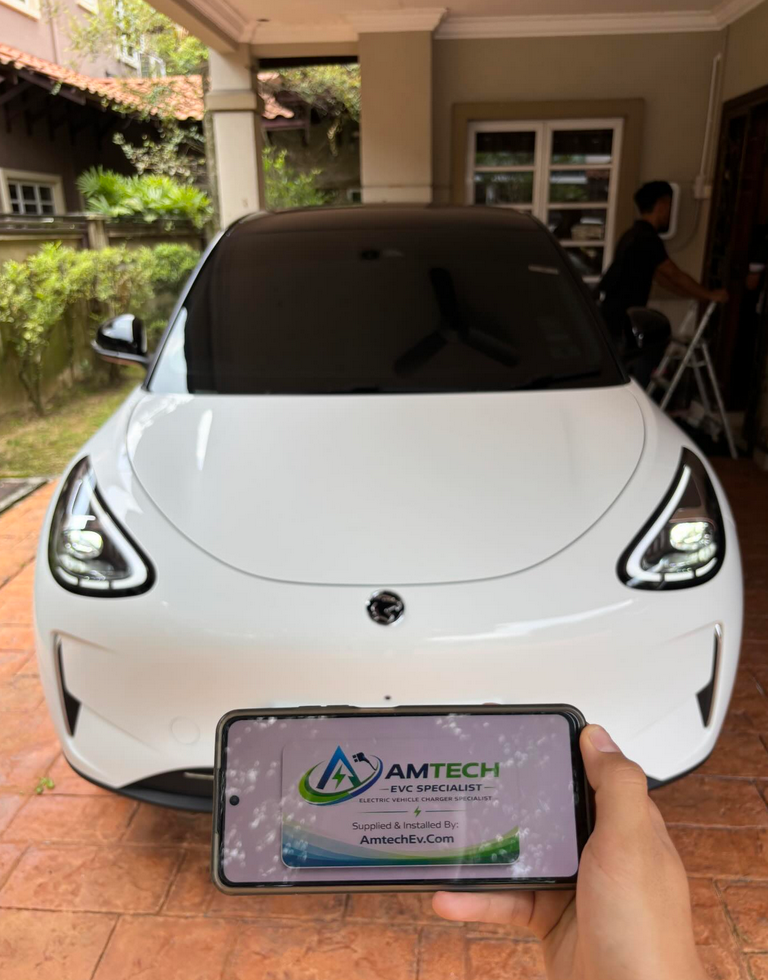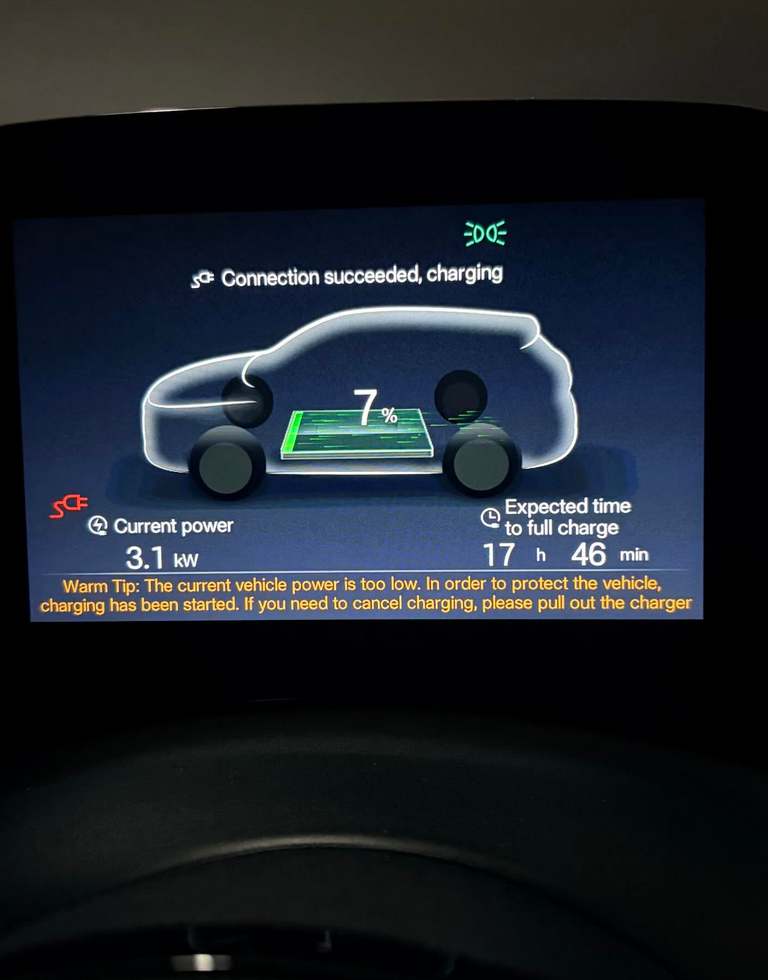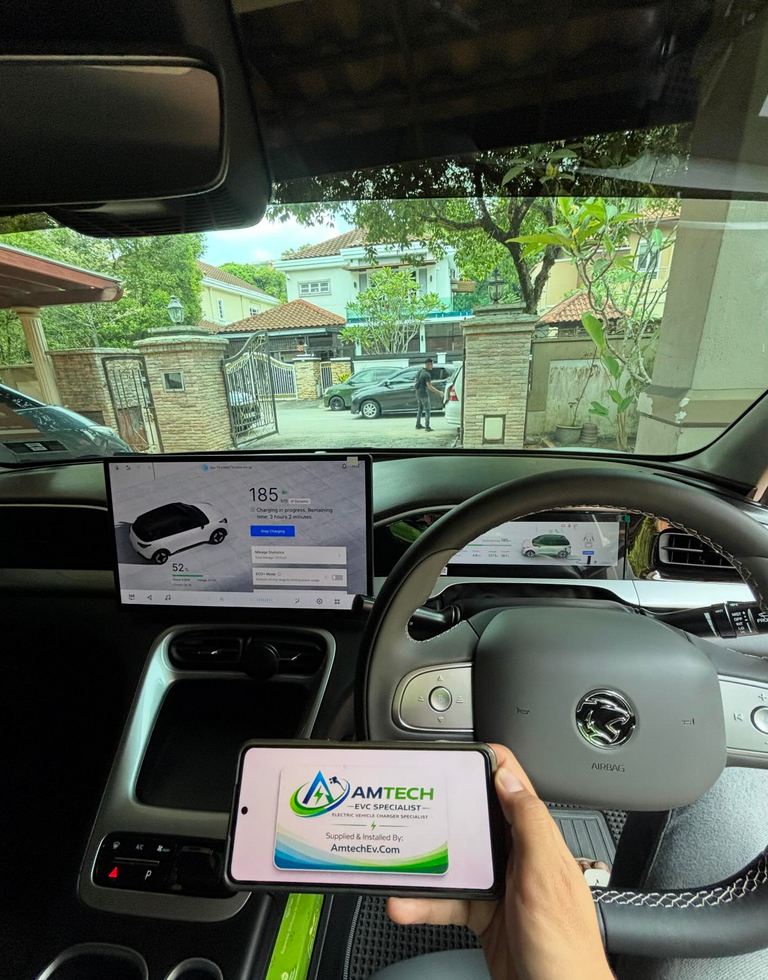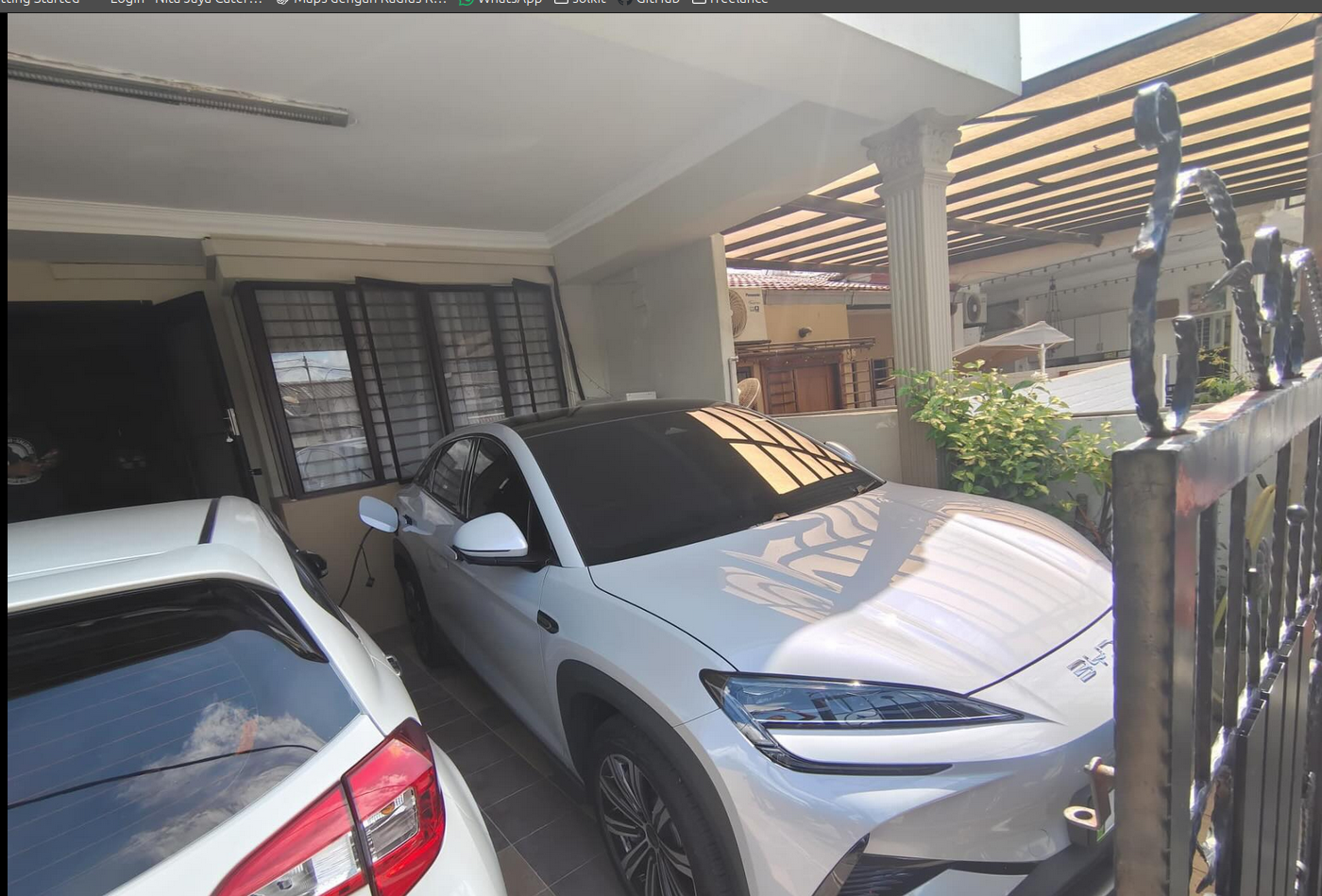
Introduction to EV Home Charging in Malaysia
As Malaysia accelerates its transition toward sustainable electric mobility, installing a dedicated home Electric Vehicle Charging Station (EVCS) has become the gold standard for EV owners. Relying exclusively on public DC fast chargers is not only costlier over time, but it also increases battery degradation due to high thermal stress. At Amtech EV, we encounter countless Malaysian homeowners navigating the complexities of electrical loads, Tenaga Nasional Berhad (TNB) tariffs, and stringent regulatory compliances.
This authoritative technical guide is engineered to provide homeowners, strata property management (JMB/MC), and commercial stakeholders with an uncompromising breakdown of EV home charger installations in Malaysia—covering electrical engineering fundamentals, safety regulations by Suruhanjaya Tenaga, financial incentives, and exact cost projections.
1. Choosing the Right Charger: 7.4kW Single-Phase vs 11kW/22kW Three-Phase
Selecting the correct alternating current (AC) wallbox depends primarily on your property's existing electrical supply (Single-Phase vs Three-Phase) and your Electric Vehicle's onboard charger (OBC) capability.
Technical Comparison of AC Home Chargers
| Parameter | 7.4kW Wallbox (Single-Phase) | 11kW Wallbox (Three-Phase) | 22kW Wallbox (Three-Phase) |
|---|---|---|---|
| Electrical Supply | 230V, 1-Phase, 32A | 400V, 3-Phase, 16A per phase | 400V, 3-Phase, 32A per phase |
| Typical Charging Speed | ~30-40 km range per hour | ~50-60 km range per hour | ~100+ km range per hour (depends on OBC) |
| Ideal Vehicle Match | BYD Dolphin, Ora Good Cat, Tesla Model 3 (Standard) | BYD Atto 3, Hyundai Ioniq 5 (Some specs), BMW iX | Renault Zoe, Audi e-tron (with 22kW OBC option) |
| Average Installation Cost (RM) | RM 3,500 – RM 5,500 | RM 4,800 – RM 7,500 | RM 6,000 – RM 9,500+ |
Crucially, note that your car will only draw the maximum power accepted by its internal Onboard Charger (OBC). For instance, installing a 22kW charger for a vehicle with a 7kW single-phase OBC will only result in charging at 7kW speeds.
2. Malaysian Regulatory & Safety Framework: ST & JBPM Compliance
An EV charger is not merely an appliance; it is a high-power industrial-grade load permanently tied to your home's electrical grid. In Malaysia, unauthorized DIY or non-compliant installations pose severe fire and electrocution hazards.
Suruhanjaya Tenaga (Energy Commission) Guidelines
- Registered Competent Person: By law, all EVCS installations must be carried out or supervised by a Suruhanjaya Tenaga registered electrical contractor.
- Mandatory Notification: EV chargers exceeding specific thresholds require formal notification or approval from TNB and ST.
- MS IEC 61851 & MS IEC 62196: All hardware must comply with Malaysian standards for conductive charging systems and Type 2 connectors (CCS2).
Critical Electrical Protection Standards
"Safety is non-negotiable. Every Amtech EV installation strictly incorporates dedicated Type B Residual Current Circuit Breakers (RCCB) or Type A RCCB paired with dedicated 6mA DC residual direct current detection devices, adhering strictly to MS IEC standards."
- Overcurrent Protection: Dedicated Miniature Circuit Breakers (MCB) or Moulded Case Circuit Breakers (MCCB) sized appropriately for 32A or 16A continuous loads.
- Earthing Integrity: A dedicated TT earthing system with an earth rod resistance reading strictly below 10 ohms to prevent dangerous touch voltages during faults.
- JBPM (Bomba) Protocols: Clear physical placement away from flood-prone zones, proper ventilation, and robust mechanical protection against vehicle impact.
3. TNB Supply Upgrades & Electricity Tariffs
Most older Malaysian landed properties operate on a Single-Phase 230V supply (typically capped at 32A or 60A main switch). Adding a 7.4kW wallbox is usually feasible without a major TNB upgrade, provided your total household load is managed.
However, upgrading to an 11kW or 22kW three-phase system requires:
- Application via the TNB myTNB portal or through your certified installer.
- Upgrading the incoming service cable and installing a three-phase meter.
- Switching to the Domestic Tariff A, which maintains tiered progressive block rates (from 21.8 sen/kWh up to 57.1 sen/kWh for high usage).
Smart EV owners should also explore pairing their wallbox with a Solar Photovoltaic (PV) system under the SELCO (Self-Consumption) scheme to offset charging costs during daylight hours.
4. Financial Incentives: LHDN Tax Relief up to RM2,500
To support green mobility, the Malaysian Government via Lembaga Hasil Dalam Negeri (LHDN) provides an individual income tax relief of up to RM2,500 for:
- Purchase, installation, rental, or hire-purchase subscriptions of EV charging equipment.
- Valid for assessments up to Year of Assessment 2027.
- Ensure you retain all official invoices from certified contractors like Amtech EV to claim this tax deduction.
5. Step-by-Step Installation Process by Amtech EV
- Site Assessment: Evaluation of your distribution board (DB box), main breaker capacity, cable run distance, and parking layout.
- Quotation & Hardware Selection: Choosing the right smart wallbox (e.g., Schneider, Wallbox, ABB, or Grizzl-E) with RFID or app controls.
- TNB & ST Documentation: Handling necessary technical submissions where applicable.
- Physical Installation: Running armored cables, installing dedicated DB protection (Type B RCCB + MCB), mounting the wallbox, and driving dedicated earthing rods.
- Testing & Commissioning: Insulation resistance testing, loop impedance testing, RCD trip time verification, and handover walkthrough.
Frequently Asked Questions (FAQ)
1. Can I plug my EV charger into a normal 13A wall socket?
Using a standard portable 3-pin charger (Mode 2) on a regular domestic socket is suitable for absolute emergencies only. Regular 13A sockets are not designed to draw maximum current (8A to 10A) continuously for 8 to 12 hours, which can cause socket overheating, melting, and electrical fires. A dedicated Type 2 AC wallbox (Mode 3) is strongly recommended.
2. Do I need approval from my Condominium JMB/MC to install an EV charger?
Yes. For strata properties, you must submit a formal technical proposal to the Joint Management Body (JMB) or Management Corporation (MC). The installation must not tap into common corridor meters; it must be sub-metered directly from your own apartment's electrical meter bank, complying with Suruhanjaya Tenaga strata guidelines.
3. How much does it cost to fully charge an EV at home in Malaysia?
Under TNB Domestic Tariff A, assuming an average electricity rate of 35 sen/kWh and a 60 kWh EV battery, a full 0-100% charge costs approximately RM21.00, yielding around 350-400 km of driving range—vastly cheaper than petrol or public DC charging.