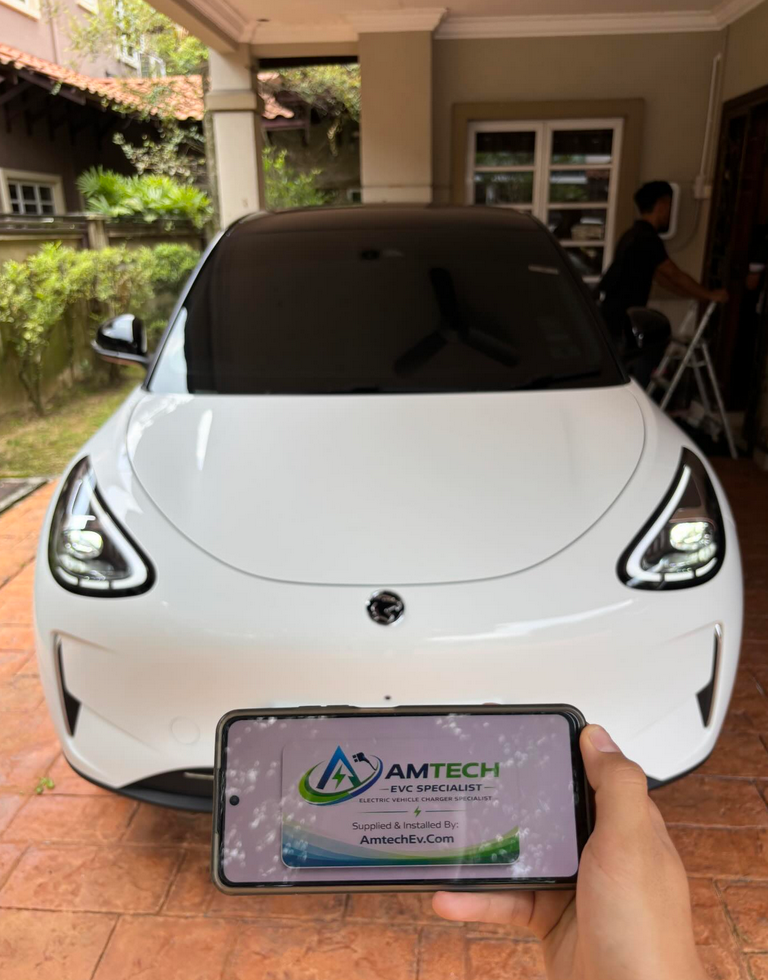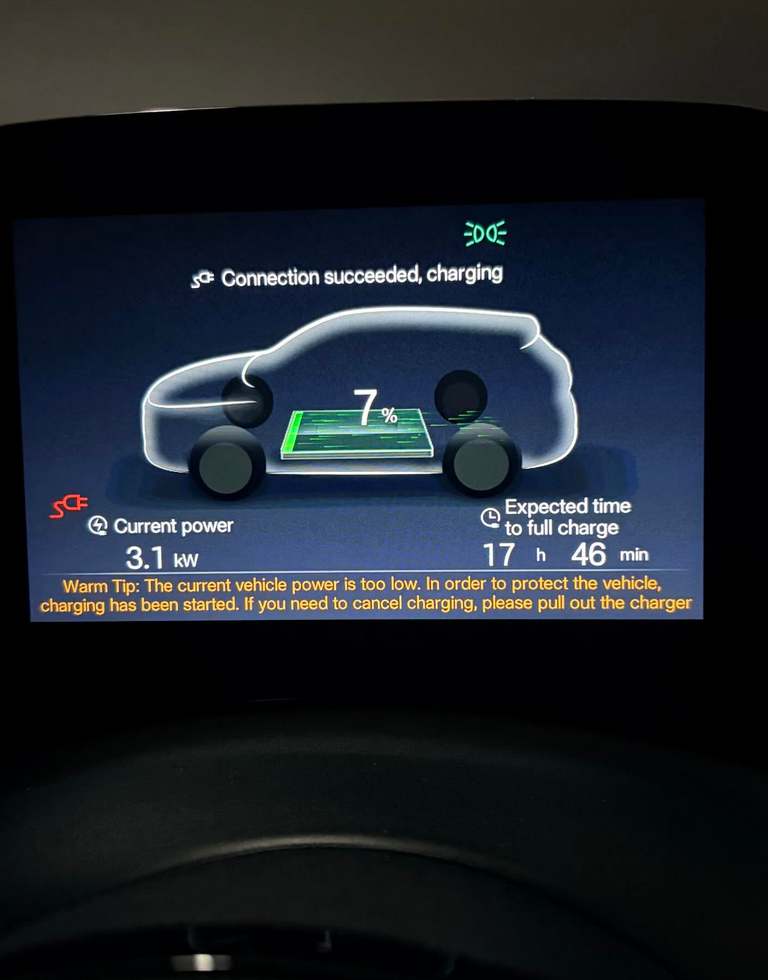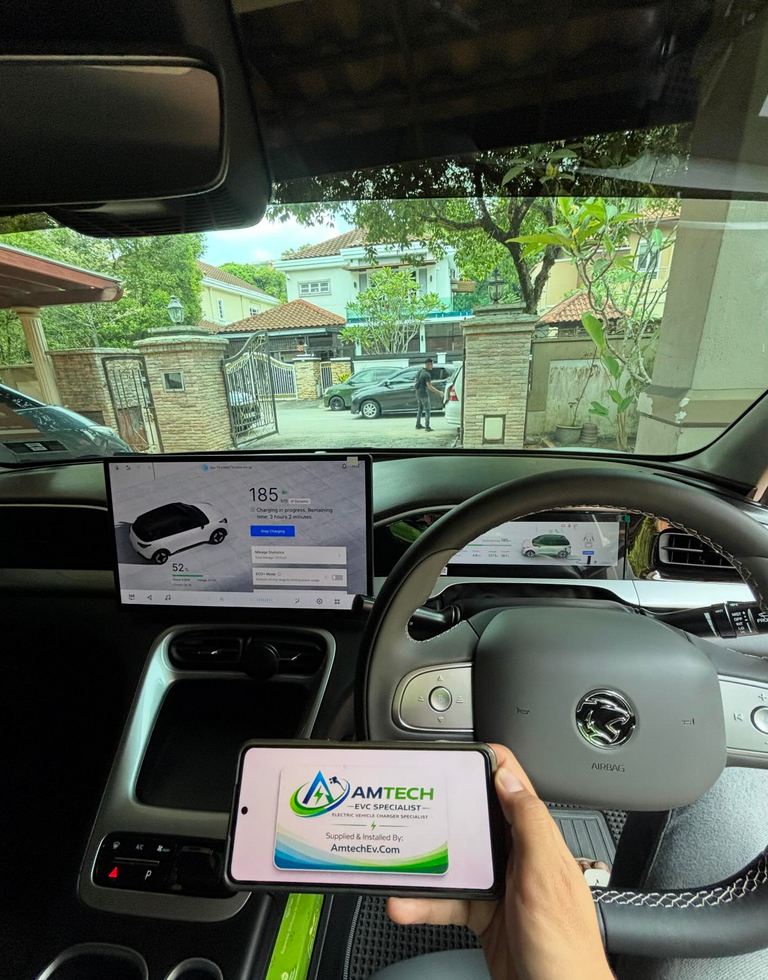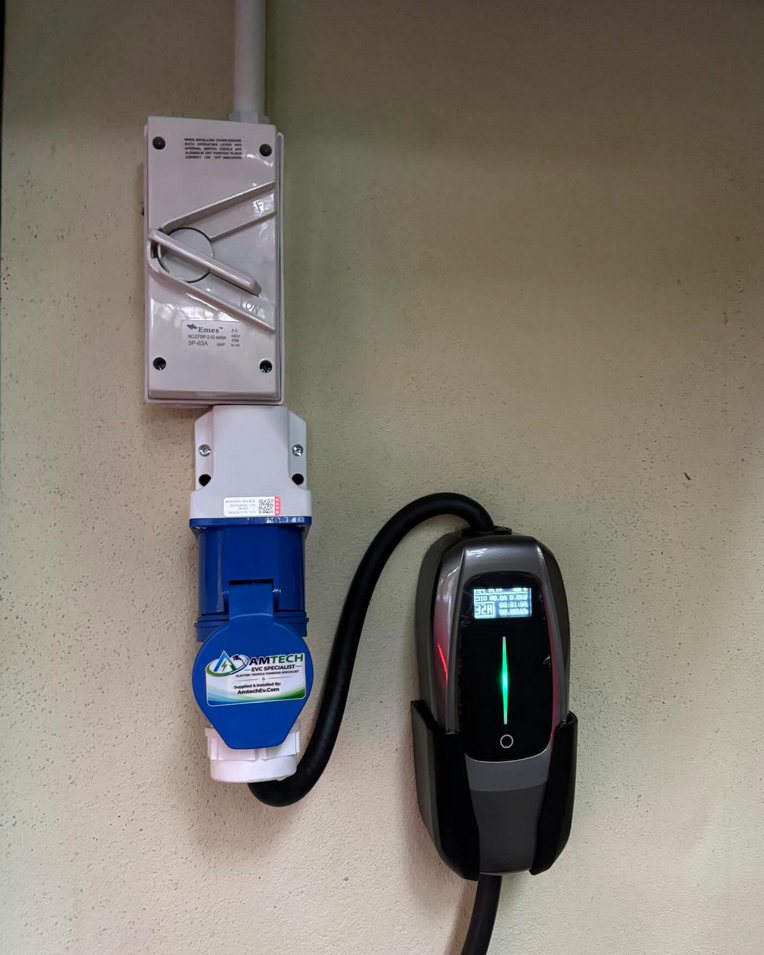
As electric vehicle (EV) adoption accelerates across Malaysia—spurred by brands like Tesla, BYD, smart, and BMW—high-rise residents face a major logistical hurdle: charging at home. While landed property owners can install a 7.4kW or 11kW wallbox via a straightforward application to Tenaga Nasional Berhad (TNB), condominium and apartment owners must navigate strata bylaws, the Strata Management Act 2013 (Act 757), shared electrical infrastructure, and strict safety guidelines enforced by the Energy Commission (Suruhanjaya Tenaga - ST) and Jabatan Bomba dan Penyelamat Malaysia (JBPM).
This definitive guide provides an engineering-backed, step-by-step roadmap for EV owners, Joint Management Bodies (JMB), Management Corporations (MC), and building managers on how to successfully implement private and shared EV charging stations (EVCS) in Malaysian strata developments.
1. Legal and Regulatory Framework in Malaysia
Installing an EV wallbox in a multi-storey car park is not merely an electrical job; it is a legal and regulatory process governed by three statutory pillars:
- Strata Management Act 2013 (Act 757): Parking bays in high-rises are designated either as Accessory Parcels (titled to the owner) or Common Property. Cabling typically routes through common property risers and cable trays. Under Section 70 of Act 757, any alteration affecting common property requires formal approval via a JMB/MC Committee resolution or an Annual/Extraordinary General Meeting (AGM/EGM).
- Suruhanjaya Tenaga (ST) Guidelines for EVCS: The Energy Commission mandates that all EV charging installations adhere strictly to MS IEC 61851 (Electric vehicle conductive charging system) and MS IEC 62196 (Plugs, socket-outlets, and vehicle connectors). Electrical works must be executed, tested, and certified by an ST-registered Electrical Contractor using qualified Chargemen or Wiremen.
- JBPM (Bomba) Fire Safety Protocols: Fire regulations require EV charging bays in enclosed multi-storey basements to be equipped with direct line-of-sight sprinkler heads, an emergency power shut-off (EPO) button linked to the central Fire Alarm Panel, dedicated 2-hour fire-rated cabling (FR cables) through shared risers, and unobstructed egress routes.
2. The Three Strata Electrical Architectures
Before submitting any paperwork to your building management, you must select the appropriate electrical distribution model. There are three primary topologies for high-rise EV charging:
Option A: Direct Connection from Resident’s Private DB/TNB Meter
In this architecture, power is drawn directly from the resident’s existing apartment electric meter located in the floor’s electrical riser, routed down through the building’s riser ducts to the dedicated parking bay.
- Pros: Billing is integrated seamlessly into your existing TNB Domestic Tariff A bill; no sub-metering disputes with management.
- Cons: Extreme cable distances (e.g., from the 25th floor down to Basement 3) lead to severe voltage drops and prohibitive cabling costs. Many existing unit meters are single-phase (limited to 32A/7.4kW total home consumption).
Option B: Connection from Common Property Distribution Board with Smart Sub-Meter
Power is tapped from the nearest Facilities/Common Area Distribution Board (DB) in the car park. The resident installs a dedicated mini-DB, an MID-certified digital sub-meter or an OCPP 1.6J/2.0.1 smart wallbox equipped with an embedded 4G SIM.
- Pros: Short cable runs (typically 15 to 40 meters), significantly lower installation costs, and manageable voltage drop (< 4%).
- Cons: Requires JMB approval for common utility draw; electricity is billed on commercial or bulk strata tariffs, and the management must administer billing or rely on automated billing platforms like Amtech EV's management software.
Option C: Centralized Commercial Operator (Turnkey CPO Model)
The JMB partners with a Charge Point Operator (CPO) like ChargEV, Gentari, or a dedicated private provider. The CPO funds or co-funds the backbone infrastructure, installs shared charging bays, and charges end-users per kWh or per minute via a mobile app.
3. Architecture Comparison & Cost Estimation
The following table outlines the technical specifications, logistical impact, and typical financial outlay required across each installation method in Malaysia.
| Metric / Feature | Option A: Private Meter Direct Run | Option B: Common DB + Smart Sub-Meter | Option C: Centralized CPO Shared Bays |
|---|---|---|---|
| Typical Power Supply | Single-Phase (3.7kW – 7.4kW) | Three-Phase (11kW – 22kW) | Three-Phase (11kW – 22kW AC / DC Fast) |
| Cable Specification | 4C/2C Armoured XLPE or FR Cable | 4-Core 6mm² / 10mm² Steel Wire Armoured (SWA) | Substation Feeder Cables (Heavy Duty) |
| Average Cable Run | 50m to 180m+ | 10m to 40m | Centralized to dedicated bays |
| TNB Tariff Applied | Domestic Tariff A (Subsidized tiers) | Commercial Tariff / Bulk Strata Rate | Commercial / CPO App Rate (RM1.00–RM1.40/kWh) |
| JMB Approval Difficulty | High (structural & riser access) | Moderate (requires smart metering) | Requires AGM/EGM Committee Vote |
| Estimated Cost (RM) | RM6,500 – RM13,000 | RM3,500 – RM6,500 | RM0 (Resident) / Capex by CPO or JMB |
4. Critical Electrical & Fire Safety Engineering Requirements
Cutting corners on safety in a dense high-rise structure is a severe safety and legal hazard. A standard certified installation executed by Amtech EV incorporates the following mandatory safety protocols:
- Residual Current Protection: Alternating current (AC) charging stations can develop smooth direct current (DC) residual faults due to internal vehicle inverter rectification. Standard Type A RCCBs will blind and saturate in the presence of DC leakage exceeding 6mA. You must install either an expensive Type B RCCB or an ST-compliant Type A RCCB paired with a 6mA DC Residual Direct Current Detecting Device (RDC-DD) compliant with MS IEC 62955.
- Earthing System (TT Earthing): Most condominium car parks use a combined earthing network. The EV wallbox circuit requires a reliable earth loop impedance verifying an earth resistance measurement below 10 Ohms. In situations where an auxiliary earthing rod is driven, bonding to the building’s main lightning/earth grid is vital to prevent dangerous potential differences.
- Dynamic Load Management (DLM): When several EV owners tap into the common service DB, total peak demand can exceed the main incoming fuse rating. Smart DLM dynamically throttles charging speeds (e.g., dropping an 11kW charger to 3.7kW) when common loads like water pumps, elevators, and exhaust fans kick in.
- Emergency Stop & Fire Integration: An external mushroom Emergency Power Off (EPO) switch must be installed adjacent to the charger bay, allowing security personnel or Bomba to isolate the charger immediately during an emergency.
5. Step-by-Step Blueprint to Secure JMB/MC Approval
Most condominium committees reject EV charger applications out of fear: fear of fire, fear of electrical overload, and fear of subsidizing private electricity consumption. To guarantee approval, follow this structured process:
- Step 1: Technical Site Assessment: Engage a certified electrical specialist (such as Amtech EV) to inspect the car park electrical distribution board, spare breaker capacity, cable pathing, and mobile signal strength (for smart meters).
- Step 2: Formal Engineering Submission Dossier: Compile a comprehensive proposal for the management office containing:
- Single-Line Diagram (SLD) signed and endorsed by an ST-certified Chargeman or Professional Engineer (PE).
- Equipment certifications (CE, MS IEC 61851, SIRIM certificates for the wallbox and Type B RCD).
- Cable routing map utilizing designated galvanised steel cable trays (strictly no uncontained or dangling wiring).
- Billing mechanism proposal: Smart IoT meter with automated monthly reporting or security deposit structure.
- Step 3: Execution of the Indemnity Agreement: Protect the JMB by signing a standard Strata EV Charger Indemnity Agreement. This document places all maintenance, damages, insurance riders, and operational costs exclusively on the EV owner.
- Step 4: Certified Installation & Testing: Once approved, the contractor runs Steel Wire Armoured (SWA) or fire-resistant cabling, installs dedicated isolators, tests tripping thresholds, and issues an official Certificate of Testing & Commissioning.
"Proactive communication with your JMB backed by a certified Single-Line Diagram and a clear metering settlement structure turns a 6-month bureaucratic stalemate into a smooth two-week approval." — Amtech EV Engineering Team
6. Maximizing ROI: Government Tax Incentives & Tariffs
To reduce your capital outlay, leverage existing Malaysian fiscal incentives. Under the Malaysian national budget, individual taxpayers can claim up to RM2,500 in personal income tax relief for the purchase, installation, rental, or subscription of EV charging equipment (valid through Year of Assessment 2027). Keep all official tax invoices and receipts issued by registered companies like Amtech EV.
Furthermore, if your charging unit is tied to a smart home setup or smart sub-meter, schedule charging sessions between 10:00 PM and 7:00 AM. In commercial-rate common DB settings operating under Time-of-Use (ToU) structures, off-peak rates yield substantial long-term fuel savings over petrol equivalents.
Frequently Asked Questions (FAQ)
Can the JMB legally stop me from installing an EV charger at my assigned bay?
Yes. Under the Strata Management Act 2013 (Act 757), common property—including risers, structural ceilings, and electrical panels—falls under the absolute authority of the JMB or MC. While they cannot unreasonably prohibit you from utilizing your own accessory parcel, they hold complete authority over cable routing through common property. This is why strict compliance with ST safety guidelines and formal submission is necessary.
Why can’t I simply plug my EV into an existing 3-pin 13A socket in the car park?
Standard Malaysian 13A domestic sockets are designed for intermittent loads (vacuum cleaners, pressure washers), not continuous high-draw resistive loads. Drawing 10A to 12A continuously for 8 to 14 hours over an unrated socket can cause terminal melting, thermal runaway, and electrical fires. Furthermore, using common 3-pin sockets amounts to utility theft from the building's common sinking fund unless authorized and sub-metered.
What is the typical timeline for approval and installation?
A professional installation takes between 1 to 2 working days for the physical cabling and commissioning. However, the JMB/MC review and committee approval cycle typically takes 2 to 6 weeks depending on whether your building management committee meets monthly or requires an EGM motion.
Does an EV wallbox require a separate TNB meter in an apartment?
Not necessarily. While applying for a separate direct TNB meter dedicated to your parking bay is technically possible under TNB's latest EVCS guidelines, it requires substantial administrative overhead, space allocations in the meter room, and explicit JMB approval. Installing an MID-approved sub-meter or an OCPP-compliant smart charger connected to the common car park distribution board is significantly faster, cleaner, and more economical.