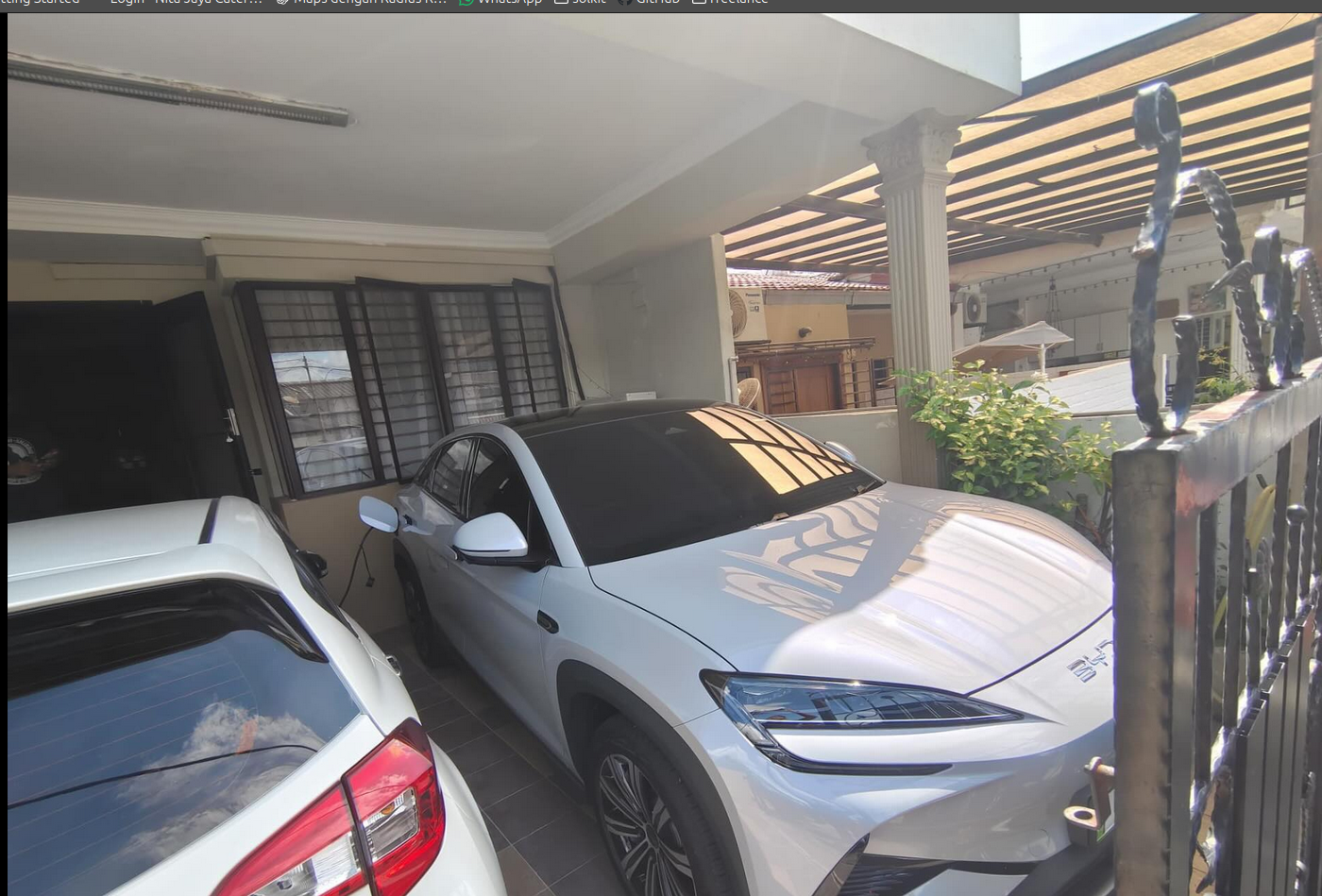
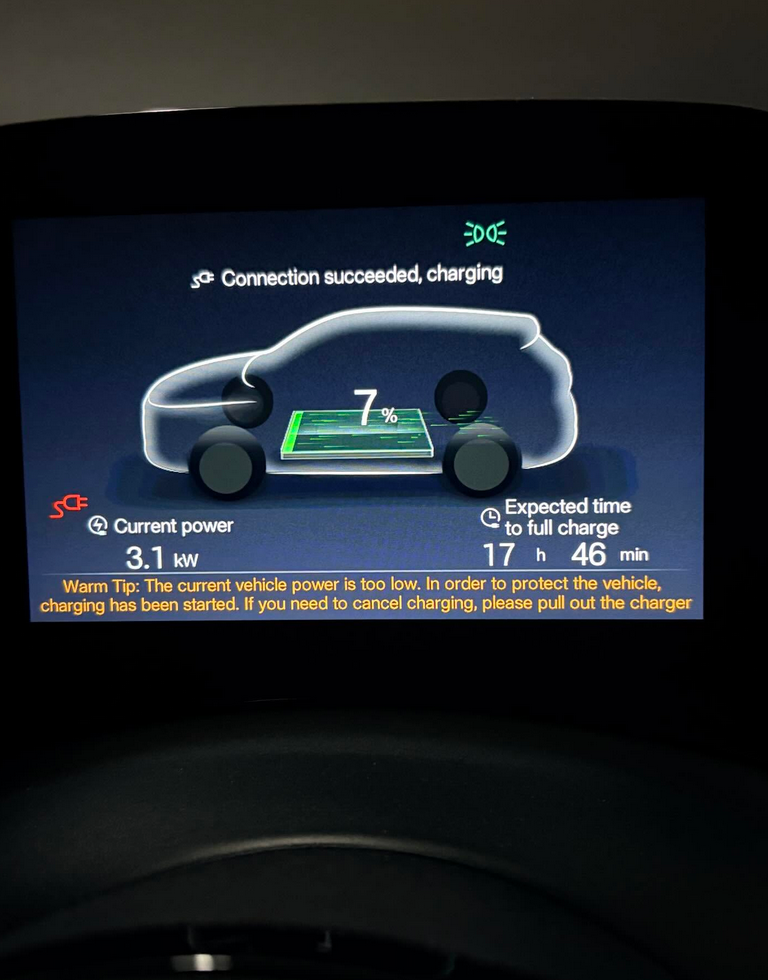
Installing an Electric Vehicle Supply Equipment (EVSE) charging point in a Malaysian high-rise residence presents a unique set of challenges. Unlike landed property owners who can easily mount an AC wallbox to their porch distribution board, multi-dwelling unit (MDU) residents must navigate shared electrical risers, common property jurisdictions, and the legal frameworks governed by the Strata Management Act 2013 (Act 757).
As the adoption of electric vehicles surges nationwide, Joint Management Bodies (JMB), Management Corporations (MC), and residents are actively seeking compliant, safe, and financially transparent installation blueprints. This comprehensive engineering guide breaks down the four technical deployment architectures, Suruhanjaya Tenaga (Energy Commission) safety mandates, step-by-step JMB/MC approval protocols, and real-world turnkey cost breakdowns.
Understanding the 4 Technical Deployment Architectures for Strata Properties
Before submitting any paperwork to your property management office, you must identify which electrical topology is physically viable for your allotted accessory bay or common parking bay.
1. Direct Feed from Resident's Unit Distribution Board (DB)
This architecture is technically ideal if your allocated parking bay is situated directly below or adjacent to your residential unit, or if the main electrical duct riser is within an accessible horizontal and vertical distance (<30–40 meters).
- Billing: Seamless. Electricity consumption is measured directly by your existing Tenaga Nasional Berhad (TNB) Domestic Tariff A meter.
- Technical Constraint: Single-phase residential units with a 40A or 63A main switch fuse cannot support a continuous 32A (7.4 kW) EV load without risking circuit tripping when domestic appliances (such as induction hobs or air conditioners) operate simultaneously. A dynamic load management (DLM) sensor or a three-phase supply upgrade is recommended.
2. Common Area Distribution Board Tapping with a Dedicated Smart Sub-Meter
When routing cables from individual residential units across 15 floors is economically impossible, tapping from the carpark's common services distribution board (maintained by the JMB/MC) becomes the standard approach.
- Sub-Metering: An MID-certified (Measuring Instruments Directive) digital kilowatt-hour (kWh) sub-meter must be installed inside an IP65 enclosure adjacent to the charger or DB.
- OCPP & Cloud Billing: To avoid manual meter reading by security or building management, the wallbox must feature an OCPP 1.6J or 2.0.1 (Open Charge Point Protocol) network interface via 4G/Wi-Fi to automatically report consumption and reconcile tariffs monthly to the building management account.
- Billing Complexity: Common areas are billed under commercial tariffs (e.g., Tariff B - Low Voltage Commercial) or bulk domestic tariffs, which carry higher peak rates and demand charges compared to tiered residential rates.
3. Direct Independent TNB Meter Application
Under this scheme, an application is submitted directly to TNB to install a brand-new individual single-phase or three-phase meter within the central metering room, dedicated exclusively to your parking bay.
- Pros: Independent billing directly with TNB; zero billing friction with JMB/MC; eligibility for residential charging schemes.
- Cons: High initial capital outlay for cable runs from the meter room across basements, plus mandatory submission by a certified Suruhanjaya Tenaga Competent Electrical Engineer/Wireman (PW4 with three-phase endorsement).
4. Turnkey Commercial Operator (CPO) Model
For buildings with multiple EV owners, the JMB/MC can partner with commercial charge point operators (such as ChargEV, Gentari, or JomCharge) to install shared charging bays under a revenue-share or site-rental arrangement. While this model eliminates individual installation costs, it deprives EV owners of the convenience and lower cost of private overnight charging at their designated accessory bays.
Regulatory Standards: Suruhanjaya Tenaga & JBPM Compliance
Submitting an amateur or non-compliant proposal is the primary reason JMBs reject EV charger applications. In Malaysia, any strata EVSE deployment must strictly adhere to statutory standards:
- MS IEC 61851-1: Electric vehicle conductive charging systems – general requirements covering safety, pilot control signals, and mechanical enclosure ratings (minimum IP54 for semi-indoor, IP65 for exposed carparks).
- MS IEC 62196-2: Type 2 AC connectors (Mennekes) for single-phase and three-phase charging.
- Mandatory RCD Protection: Clause-level compliance requires either a dedicated Type B Residual Current Circuit Breaker (RCCB) 30mA, or an onboard/external Type A RCCB + 6mA Residual Direct Current Detecting Device (RDC-DD) compliant with IEC 62955. Standard domestic Type AC RCCBs are strictly illegal for EVSE circuits because DC residual currents can blind the protective coil.
- Earthing Matrix: The electrical loop impedance for dedicated TT earthing systems must remain below 10 ohms. Grounding continuity verification must prevent touch-potential hazards across exposed vehicle chassis.
- Jabatan Bomba dan Penyelamat Malaysia (JBPM) Protocols: Basement car park EVSE units require a heavy-duty, IP65-rated Emergency Power Off (EPO) mushroom push-button isolator installed within sight of the charger, Class 1 fire-resistant (FR) or steel wire armoured (SWA) cabling traversing communal ceiling voids, and close proximity to fire hose reels and mechanical smoke extraction zones.
Comparative Analysis: Installation Models in Malaysian Strata Schemes
| Metric / Architecture | Direct Unit DB Tapping | Common DB + Smart Sub-Meter | New Direct TNB Meter |
|---|---|---|---|
| Typical Installation Cost | RM4,200 – RM7,800 | RM3,800 – RM6,500 | RM6,500 – RM12,000+ |
| Tariff Structure | TNB Domestic Tariff A (RM0.218 – RM0.571/kWh) | Commercial Tariff B or Fixed Agreed Rate (e.g., RM0.45 – RM0.60/kWh) | Direct TNB Domestic or Commercial Meter |
| JMB Approval Difficulty | Medium (requires riser cable run consent) | High (requires load capacity audit & billing consensus) | Very High (requires TNB meter room spatial allocation) |
| Max Charging Speed | 7.4 kW (1-Phase 32A) | 7.4 kW to 11 kW (3-Phase 16A) | 7.4 kW to 22 kW (3-Phase 32A) |
| LHDN RM2,500 Tax Relief | Fully Claimable (Hardware + Workmanship) | Fully Claimable (Hardware + Workmanship) | Fully Claimable (Hardware + Workmanship) |
| Long-term Scalability | Low (riser congestion limits widespread use) | High (supports DLM load sharing) | Moderate (limited meter room capacity) |
Detailed Cost Breakdown for Condo EVSE Installation
Transparency is critical when planning your budget. Below is an itemized estimation for a standard 30-meter cable run from a carpark common DB to a resident's accessory bay in Klang Valley:
- Smart AC Wallbox (7.4kW – 11kW, Type 2, OCPP 1.6J, RFID/App): RM2,800 – RM4,500
- Heavy-Duty XLPE/SWA/PVC Cable (4C x 6mm² or 3C x 10mm²): RM45 – RM65 per meter installed (RM1,350 – RM1,950 for 30m)
- Protective Switchgear: Type A RCCB with 6mA DC-RCD-DD or Type B RCCB, 40A MCB, Class II Surge Protection Device (SPD), and Lockable IP65 Enclosure: RM650 – RM1,100
- MID-Certified Digital Smart Sub-Meter (with LoRaWAN or 4G telemetry): RM400 – RM800
- Emergency Stop Button (EPO), Heavy Duty Rotary Isolator, and Danger Signage: RM350 – RM500
- Professional Engineering Endorsement, Testing & Commissioning (Form G & H equivalent by ST PW4/Chargeman): RM800 – RM1,500
- Estimated Gross Cost: RM6,350 – RM10,350
- Less: LHDN Individual Income Tax Relief for EVSE (Extended until YA 2027): -RM2,500
- Net Capital Investment: RM3,850 – RM7,850
Step-by-Step Blueprint to Secure JMB/MC Approval
"Under the Strata Management Act 2013, the common property belongs to all parcel owners. To secure approval, an applicant must demonstrate zero electrical risk to the building, equitable cost absorption, and complete adherence to national fire and electrical codes."
- Initial Feasibility & Route Survey: Engage a certified specialist like Amtech EV to conduct an on-site audit of the carpark electrical riser, remaining spare capacity on the distribution board, and cable pathway containment (cable trays vs conduits).
- Draft Technical Proposal & Single Line Diagram (SLD): Secure an SLD endorsed by a registered electrical engineer, complete with product specifications (MS IEC certifications), fire safety layouts, and an insurance indemnity clause protecting the MC against electrical hazards.
- Formal Submission to Building Management: Submit the application package alongside a standardized letter of undertaking covering electricity billing, maintenance responsibilities, and future charger relocation terms.
- Address JMB/MC Review Queries: Typical committee concerns revolve around who pays if the primary transformer trips, equitable sub-metering, and fire risks. Presenting dynamic load balancing documentation and JBPM compliance protocols routinely resolves these objections.
- Execution, Testing & Commissioning (T&C): Upon approval and payment of any necessary renovation deposits, qualified installers complete the pull-through, conduct earth fault loop and RCD trip testing, apply official Suruhanjaya Tenaga testing stickers, and provide management with a completion report.
Frequently Asked Questions (FAQ)
Can the JMB legally reject my application to install an EV charger?
Yes. Under Act 757, the JMB/MC maintains statutory responsibility for the safety, aesthetics, and structural integrity of common property. If the building distribution system lacks spare electrical headroom or if the proposed cabling violates safety standards, management has the legal authority to reject the request. This makes submitting a professionally engineered SLD and safety dossier from an established installer essential.
What is Dynamic Load Management (DLM) and why do condos require it?
Dynamic Load Management monitors overall building or sub-board electricity consumption in real time. If aggregate power demand peaks (such as on hot evenings when common chillers and residential air conditioners run concurrently), the DLM system automatically throttles the EV wallbox charging rate down from 32A to 16A or pauses it temporarily, preventing breaker trips across the building.
How does the LHDN RM2,500 EV charging tax relief work for condo owners?
Under the national green mobility incentive valid through Year of Assessment 2027, Malaysian taxpayers can claim an individual income tax relief of up to RM2,500 for expenses incurred on the purchase, installation, rental, or subscription of EV charging equipment. Ensure your commercial invoice and receipt from Amtech EV clearly itemize the hardware and certified installation labour.
Is 3-phase 22kW charging recommended for condominium parking bays?
Rarely. Most onboard chargers in popular electric vehicles (such as BYD, Tesla, and smart) only accept a maximum of 11 kW AC on three-phase or 7 kW on single-phase supply. Furthermore, drawing 22kW (32A three-phase) places an unnecessarily heavy load on the building's feeder infrastructure. An 11kW or 7.4kW wallbox replenishes a 60–80 kWh battery overnight in 6 to 8 hours without overburdening the building's electrical plant.