The Ultimate Strata EV Charging Guide for Malaysian Homeowners
As electric vehicle (EV) adoption surges across Malaysia, transitioning from landed property charging to high-rise strata living presents unique technical, legal, and operational hurdles. At Amtech EV (amtechev.com), we frequently encounter enthusiastic EV owners facing roadblocks when attempting to install a home wallbox in condominiums, apartments, and gated communities. Installing an EV charger in a stratified building is not merely plugging into a wall; it involves complex electrical engineering, Strata Management Act (SMA 2013) compliance, Tenaga Nasional Berhad (TNB) infrastructure assessments, and strict Suruhanjaya Tenaga (Energy Commission) safety protocols.
This comprehensive master guide breaks down everything Malaysian condo and apartment residents, Joint Management Bodies (JMB), and Management Corporations (MC) need to know to execute a safe, legal, and cost-effective EV charger installation.
1. Regulatory Framework & Safety Standards in Malaysia
Safety is paramount when dealing with high-amperage continuous loads. In Malaysia, residential EV charging installations are legally bound by stringent regulatory frameworks enforced by national authorities:
- Suruhanjaya Tenaga (ST) Guidelines: All EV charging stations (EVCS) must be installed by a Suruhanjaya Tenaga-certified electrical contractor. Unauthorized DIY installations or hiring unregistered handymen violates the Electricity Supply Act 1990 and poses extreme fire and electrocution hazards.
- MS IEC 61851 & MS IEC 62196 Standards: Chargers must comply with Malaysian standards for electric vehicle conductive charging systems and Type 2 / CCS2 plug configurations.
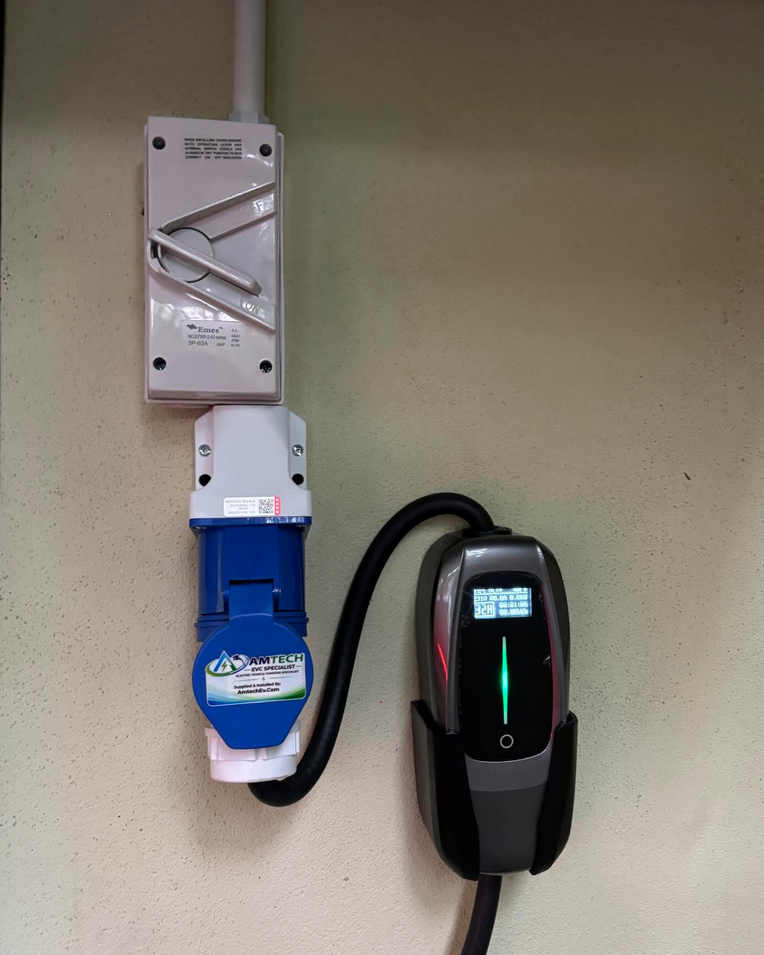
- Electrical Protection (Type B RCCB): Malaysian standard requires either a dedicated Type B Residual Current Circuit Breaker (RCCB) or a Type A RCCB combined with a 6mA DC residual direct current detection device to prevent fatal DC fault currents from blinding household RCDs.
- Earthing Integrity: Sub-main distribution boards and dedicated charger circuits must maintain a robust earthing system with a resistance reading of typically less than 10 ohms to ensure proper fault tripping.
- Jabatan Bomba dan Penyelamat Malaysia (JBPM): Fire safety guidelines dictate strict placement rules, prohibiting installations that obstruct fire escape routes or sprinkler systems, and necessitating accessible emergency isolation switches.
2. Navigating JMB / MC Approval: Step-by-Step for Strata Residents
Because strata parking bays are common property governed by exclusive use or accessory parcel rights, you cannot simply hire an installer and drill into pillars. You need formal written approval from your JMB or MC.
- Review Strata Bylaws: Check your building's house rules regarding common property alterations and electrical modifications.
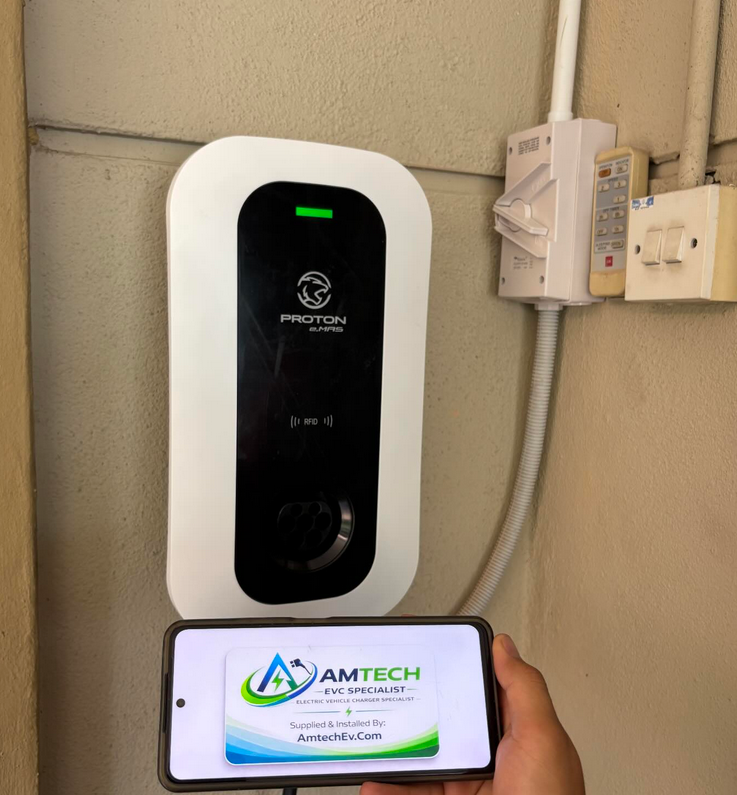
- Engage an Certified Specialist: Partner with an experienced specialist like Amtech EV to conduct a site assessment and produce a professional Single Line Diagram (SLD) and engineering proposal.
- Submit a Formal Proposal to Management: Present the technical drawings, load calculation reports, contractor certification (ST Class C/B), and comprehensive public liability insurance coverage.
- Establish the Billing & Metering Mechanism: Discuss how electricity consumption will be measured. Options include tapping into your own apartment's electrical meter (if the distance permits), installing a dedicated TNB sub-meter, or utilizing smart OCPP-compliant chargers with RFID billing software.
3. TNB Power Supply, Single-Phase vs. Three-Phase & Metering
Before selecting your wallbox (typically ranging from 7.4kW single-phase to 11kW/22kW three-phase), evaluate your current electrical capacity:
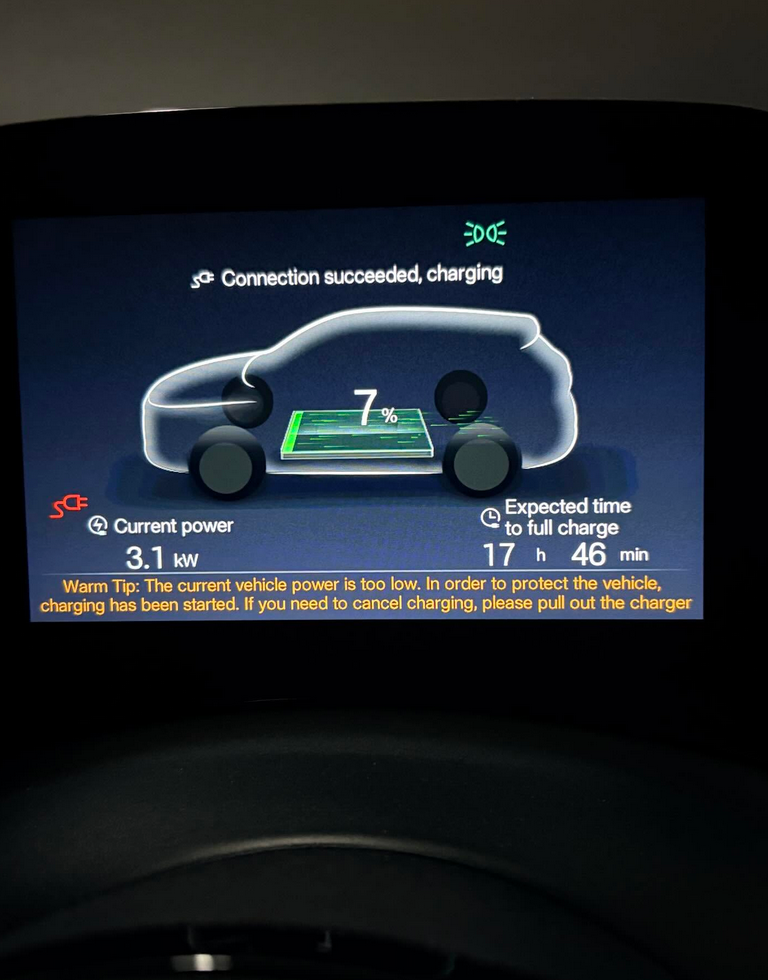
- Single-Phase Supply (230V, up to 32A / 7.4kW): Sufficient for overnight charging (0% to 100% in 6–8 hours for average passenger EVs). Most older Malaysian condos operate on single-phase supplies.
- Three-Phase Supply (400V, up to 32A / 22kW): Ideal for faster charging or households with high baseline electrical loads (multiple air-conditioners running simultaneously).
- TNB Tariff A & Upgrades: Standard residential Tariff A applies. If your total household demand exceeds current limits, an application for a supply upgrade via the myTNB portal must be processed by your registered electrical contractor.
4. Cost Breakdown & Financial Incentives (RM)
Transparency is key to budgeting your home EV charging setup. Below is a realistic cost breakdown for a standard strata installation in Malaysia:
| Cost Item | Description | Estimated Cost (RM) |
|---|---|---|
| EV Wallbox Unit | 7kW to 22kW Smart Charger (Type 2, OCPP) | RM 2,500 – RM 6,500 |
| Certified Installation Labor | ST-certified wiring, trunking, mounting | RM 800 – RM 2,000 |
| Cabling & Protection | Armoured cables (XLPE/SWA/PVC), Type B RCCB, MCB | RM 600 – RM 3,500 (depends on distance) |
| Sub-meter / Smart Metering | Dedicated kilowatt-hour (kWh) tracking device | RM 400 – RM 1,200 |
| JMB/MC Deposit & Engineering Fees | Refundable deposit, consultant endorsement | RM 500 – RM 1,500 |
Pro-Tip on Incentives: Don't forget to claim the LHDN Individual Income Tax Relief of up to RM2,500 for EV charging equipment purchase, installation, rental, or hire-purchase fees (applicable until assessment year 2027). Furthermore, keep your official invoices from Amtech EV for tax filing!
Frequently Asked Questions (FAQ)
1. Can my JMB legally reject my EV charger installation request?
A JMB cannot arbitrarily refuse a reasonable request without valid technical or safety justifications. However, because parking bays are common property, they have every right to demand strict adherence to safety standards, professional engineering drawings, and liability insurance to protect the building's infrastructure.
2. How is electricity billed if my parking bay is far from my apartment unit?
There are three common solutions: 1) Tapping directly into your apartment's distribution board if your meter room is adjacent to the carpark (requires long cable runs); 2) Installing a dedicated TNB sub-meter for the bay; or 3) Using a smart cloud-connected charger with an RFID reader where management bills you based on monthly consumption data.
3. What type of circuit breaker protection is mandatory for Malaysian EV chargers?
Suruhanjaya Tenaga mandates either a dedicated Type B RCCB or a Type A RCCB paired with a 6mA DC residual current detector. This is critical because electric vehicles can produce smooth DC fault currents that blind standard Type AC breakers, rendering them useless against electric shocks.
4. Can I install a 22kW three-phase charger in a condominium?
Technically yes, if your vehicle supports 22kW AC onboard charging (like certain European luxury EVs) and your building's electrical riser has sufficient spare capacity. However, most urban condos recommend 7kW single-phase or 11kW three-phase wallboxes to prevent overloading the building's main switchboard (MSB).