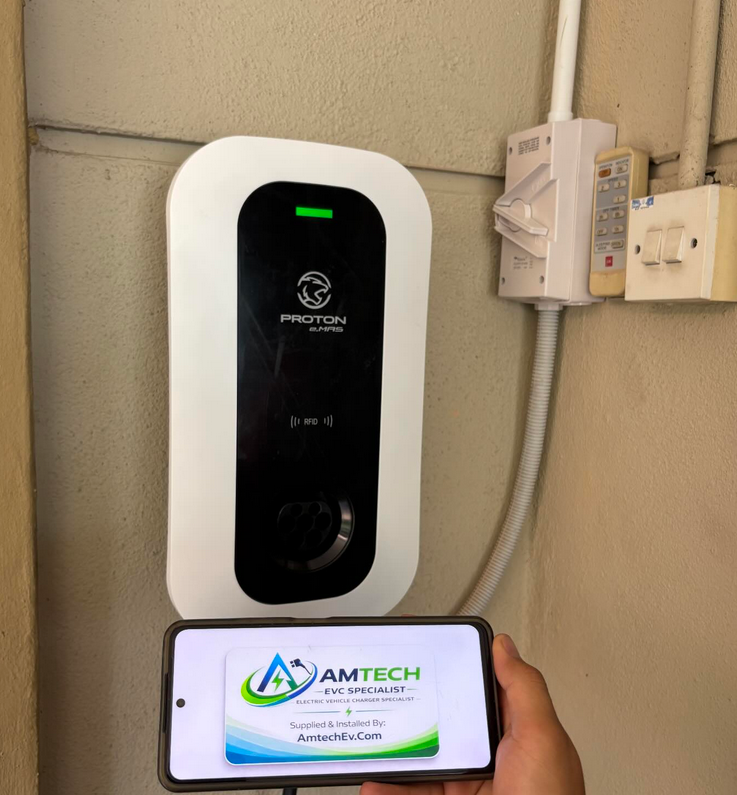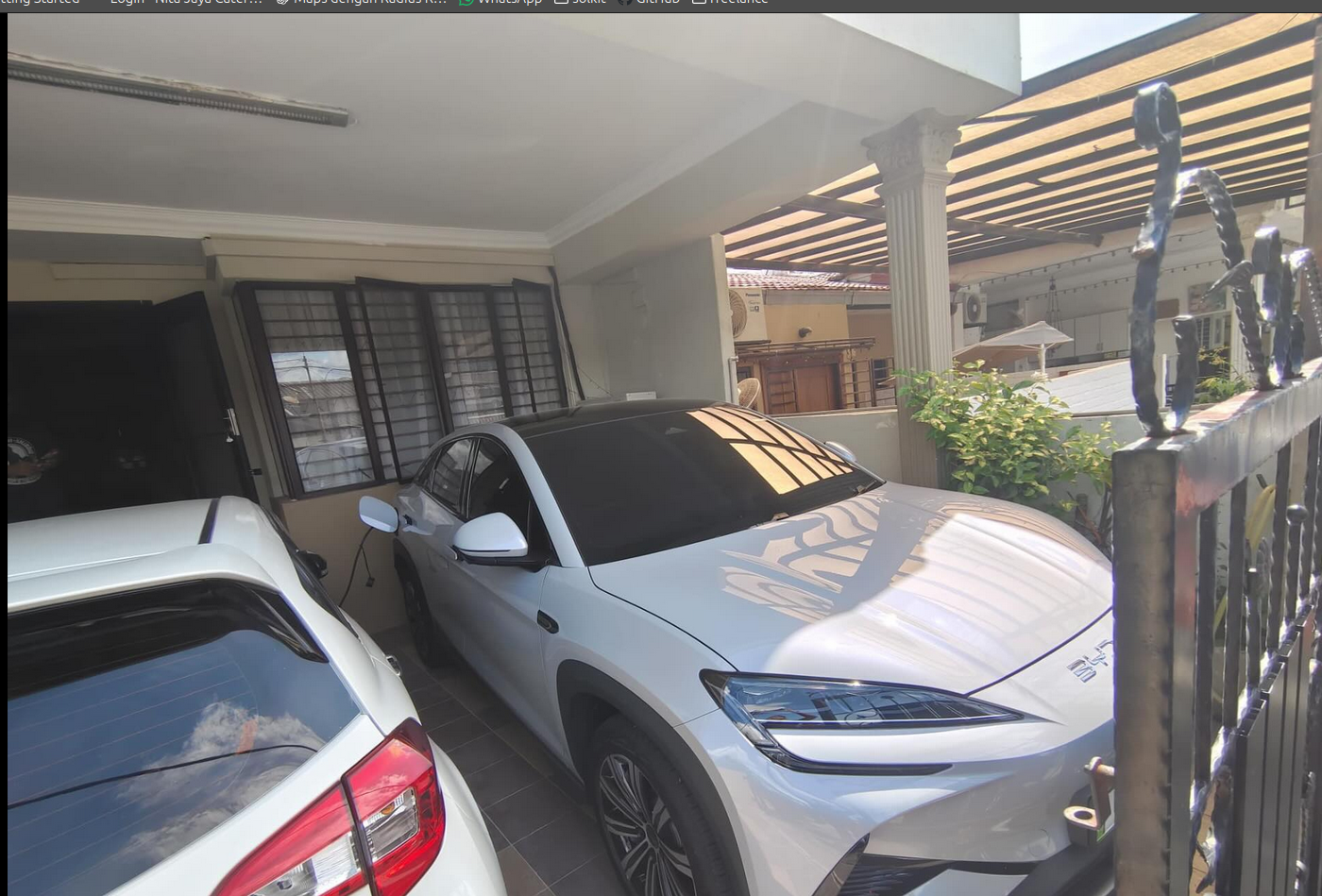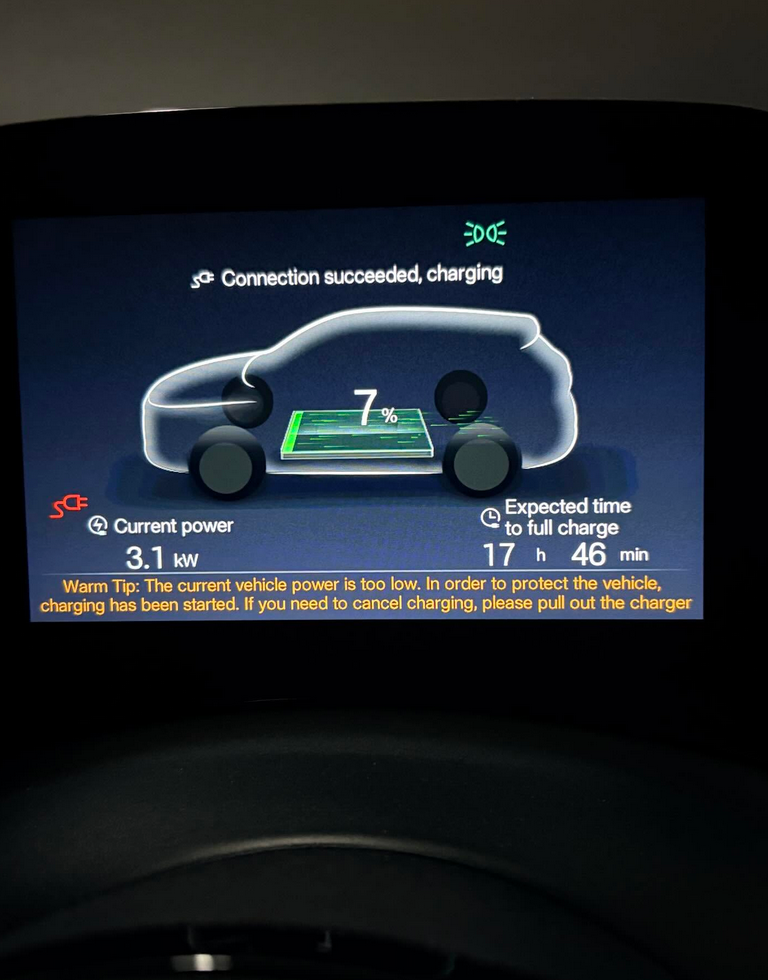
The Ultimate Stratified EV Charging Guide for Malaysia
Transitioning to an Electric Vehicle (EV) in Malaysia is an exciting milestone, but for the hundreds of thousands of Malaysians residing in high-rise stratas—condominiums, apartments, and serviced residences—installing a home EV charger presents unique logistical, legal, and electrical hurdles. At Amtech EV (amtechev.com), we regularly assist homeowners and Joint Management Bodies (JMB) or Management Corporations (MC) in navigating these complexities legally, safely, and efficiently.
Unlike landed properties where a homeowner has total autonomy over their distribution board (DB) and earth staking, strata properties involve shared infrastructure, common property power supply, and stringent building bylaws. This comprehensive technical guide outlines everything you need to know about securing JMB/MC approval, complying with Suruhanjaya Tenaga (Energy Commission) and Fire Department (JBPM) regulations, and calculating real-world costs in Ringgit Malaysia (RM).
1. Regulatory Framework: Suruhanjaya Tenaga and Malaysian Standards
In Malaysia, unauthorized electrical installations are not only dangerous; they are illegal under the Electricity Supply Act 1990. Any Electric Vehicle Supply Equipment (EVSE) connected to a fixed electrical installation must comply with rigorous national safety benchmarks:
- MS IEC 61851: The fundamental standard governing electric vehicle conductive charging systems, covering safety requirements for the charger, control pilot circuits, and communication protocols.
- MS IEC 62196: Specifies the plug, socket-outlets, vehicle connectors, and vehicle inlets—mandating Type 2 AC charging plugs across Malaysia.
- Suruhanjaya Tenaga (ST) Guidelines: Mandates that any high-current fixed installation (such as a 7kW to 22kW wallbox) must be installed by a certified Suruhanjaya Tenaga Competent Person or Electrical Contractor.
- Protection & Earthing: Mandatory installation of a Type B Residual Current Circuit Breaker (RCCB) or a Type A RCCB paired with a 6mA DC residual direct current detecting device, alongside a dedicated earth pit achieving a resistance reading of under 10 ohms.
- Jabatan Bomba dan Penyelamat Malaysia (JBPM): Fire safety protocols require proper cable routing, adherence to fire-rated conduits, and avoidance of tripping hazards in shared basement carparks.
2. TNB Supply Infrastructure: Single-Phase vs. Three-Phase
Understanding your strata building's electrical backbone is critical before purchasing a wallbox. High-rise developments generally distribute power in two distinct ways:
- Sub-metered from Unit DB: Power is drawn directly from your apartment’s existing Tenaga Nasional Berhad (TNB) meter. If your unit has a Single-Phase supply (230V, up to 32A), you can install a maximum 7.4kW AC charger. If your unit possesses a Three-Phase supply (400V, up to 63A), you can deploy up to a 22kW charger (though most EVs onboard chargers cap at 11kW).
- Common Property DB with Individual Sub-meters: Common in newer developments, where chargers in designated parking lots tap into the building's common TNB riser, metered individually via smart billing systems like EV-Dynamic, KiplePark, or Juwai.
TNB Tariff A and Time-of-Use (ToU) Optimization
Most Malaysian households operate under TNB Tariff A (Domestic). Charging your EV overnight during off-peak hours (though flat-rate currently applies to standard domestic tiers) dramatically reduces running costs compared to public DC fast chargers. For heavy users, exploring TNB's Time-of-Use (ToU) pilot tariffs can yield massive savings if charging is strictly scheduled between 10:00 PM and 8:00 AM.
3. Step-by-Step JMB/MC Approval Process
Securing green light from your building management requires a structured, professional approach. Amtech EV provides engineering endorsement letters to streamline this workflow:
- Feasibility Assessment: Hire a certified specialist (like Amtech EV) to inspect your car park bay distance to the DB, cable tray pathways, and power capacity.
- Formal Proposal Submission: Submit a detailed technical proposal to the JMB/MC/Property Manager containing:
- Single Line Diagram (SLD) endorsed by a certified Competent Person.
- Product specifications (CE/SIRIM certified wallbox).
- Insurance coverage proof (Public Liability Insurance).
- Proposed cable routing plan (typically via existing cable trays or trunking).
- Agreement & Deposit: Sign a Memorandum of Understanding (MOU) or Wayleave Agreement, paying any refundable reinstatement deposits required by management.
- Installation & Commissioning: Certified installation, insulation testing, loop impedance testing, and issuance of the ST/Electrical Certificate of Completion.
4. Cost Breakdown & Financial Incentives (RM)
Transparency is paramount when budgeting for a strata EV charger installation. Below is a realistic cost matrix for a standard 7.4kW single-phase home wallbox installation spanning 30 meters from the unit DB to the basement car park.
| Cost Component | Description | Estimated Range (RM) |
|---|---|---|
| EV Wallbox Unit | Smart 7.4kW charger (Wi-Fi/RFID/OCPP) | RM 3,000 - RM 5,500 |
| Cabling & Armor | Heavy-duty XLPE/SWA copper cables (per meter) | RM 1,500 - RM 3,000 |
| Protective Switchgear | Type B RCCB, MCB, Surge Protection Device (SPD) | RM 600 - RM 1,200 |
| Labor & Certification | ST Certified wiring, trunking, core-drilling, testing | RM 1,200 - RM 2,500 |
| Management Fees | JMB processing fee / deposit (refundable) | RM 500 - RM 1,500 |
| Total Estimated Cost | Complete turnkey installation | RM 6,800 - RM 13,700 |
Government Tax Relief (LHDN)
Malaysian individual income tax payers can claim up to RM2,500 in personal income tax relief for EV charging equipment purchase, rental, and installation expenses. This incentive is valid up to assessment year 2027. Always retain your official tax invoices and Amtech EV certification documents for LHDN auditing.
Frequently Asked Questions (FAQ)
1. Can my JMB legally reject my EV charger installation request?
While JMBs cannot outright ban EVs, they can reject installations that fail to meet safety standards, lack professional engineering endorsements, or overload the building's common electrical infrastructure. Providing a professional submission via Amtech EV ensures compliance and drastically improves approval success rates.
2. Is it possible to tap electricity from my apartment's DB if my unit is on the 15th floor and my parking bay is in the basement?
Yes, though it requires long-run armored cabling routed through vertical risers and horizontal cable trays. Our engineers calculate voltage drop meticulously to ensure power loss remains well within the permitted 4% limit regulated by Suruhanjaya Tenaga.
3. What safety protections are mandatory for a home EV charger in Malaysia?
Under Malaysian electrical codes, your installation must feature a dedicated miniature circuit breaker (MCB), a Surge Protection Device (SPD) against lightning strikes, and crucially, a Type B RCCB (or Type A + 6mA DC detector) to prevent fatal residual direct currents.
4. How do I handle electricity billing if my charger is connected to common property power?
For common property connections, buildings typically install a smart sub-meter integrated with RFID or smartphone apps. The JMB bills you monthly based on your exact kWh consumption, often matching TNB commercial or domestic block rates plus a small administrative fee.