Introduction to Electric Vehicle Charging in Malaysian High-Rises
With the exponential growth of electric vehicles (EVs) across Malaysia, transitioning from landed property charging to high-rise strata living presents unique logistical, electrical, and administrative challenges. For residents living in condominiums, apartments, and serviced residences managed by a Joint Management Body (JMB) or Management Corporation (MC), installing a dedicated home EV charger—such as an AC wallbox—requires navigating strict regulatory frameworks, electrical engineering standards, and strata property bylaws.
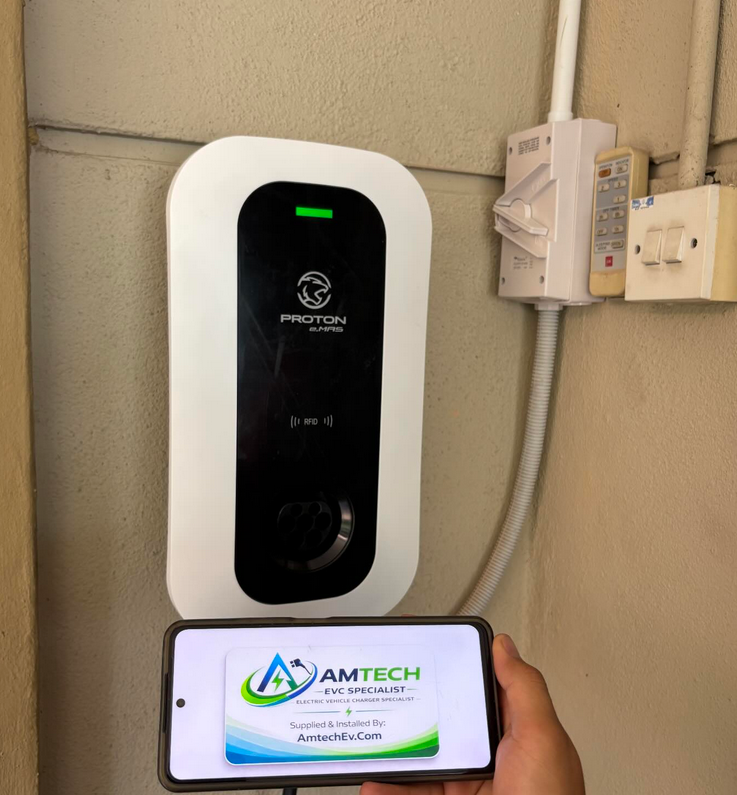
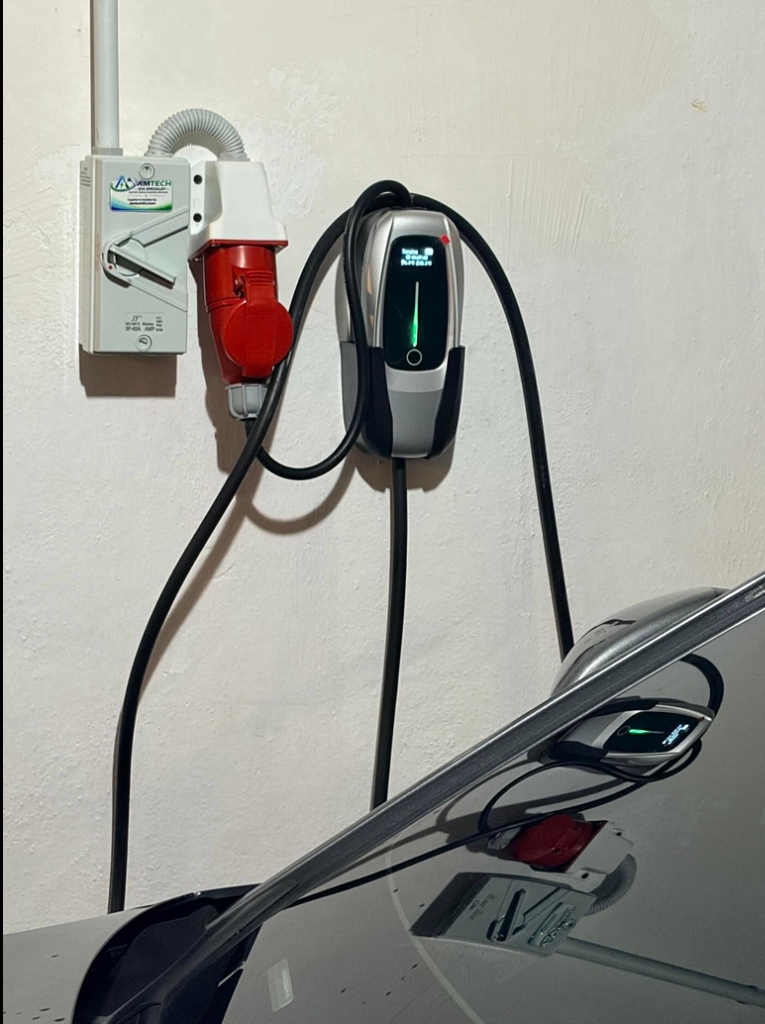
At Amtech EV (amtechev.com), Malaysia's premier EV charger supply, consultation, and certified installation specialist, we bridge the gap between EV owners and strata management bodies. This comprehensive engineering master guide explores the exact legal, technical, and financial framework required to successfully install a compliant EV charging station in a Malaysian strata-titled building.
The Malaysian Regulatory Landscape: Suruhanjaya Tenaga & Safety Standards
Safety is paramount when dealing with high-current electrical loads over extended periods. In Malaysia, any electrical installation work must comply strictly with the regulations enforced by the Suruhanjaya Tenaga (Energy Commission). Non-compliant installations not only void vehicle manufacturer warranties but also pose severe fire and electrocution hazards.
Key Technical Regulations to Follow:
- MS IEC 61851: The foundational standard for electric vehicle conductive charging systems, governing communication protocols between the EV and the supply equipment (EVSE).
- MS IEC 62196: Specifies the physical connector standards, mandating Type 2 plugs for AC charging and CCS2 for DC fast charging in Malaysia.
- Electrical Protection (Type B RCCB): Suruhanjaya Tenaga mandates that EV chargers must be protected by a dedicated Residual Current Circuit Breaker (RCCB) Type B, or a Type A RCCB paired with a 6mA DC residual direct current detecting device, to prevent dangerous DC fault currents from blinding household RCDs.
- Dedicated Earthing: Sub-distribution boards or individual chargers installed in parking bays must maintain a dedicated TT earthing system with a measured earth resistance of less than 10 ohms (<10Ω).
- Jabatan Bomba dan Penyelamat Malaysia (JBPM): Fire safety guidelines require clear fire rating compliance for cable runs, designated emergency shut-off points in large subterranean basements, and prohibition of flammable materials near charging bays.
TNB Electricity Tariffs and Power Supply Options
Understanding your building's electrical infrastructure is crucial before applying to your JMB or MC. Most Malaysian high-rises are supplied with a 3-phase bulk meter by Tenaga Nasional Berhad (TNB), stepping down power to individual units.
Single-Phase vs. Three-Phase Power Supply
- Single-Phase Supply (230V, up to 32A): Allows a maximum charging output of 7.4 kW. This is generally sufficient for overnight charging, replenishing a standard 60 kWh battery from 20% to 100% in roughly 7 to 8 hours.
- Three-Phase Supply (400V, up to 32A per phase): Enables high-speed AC charging ranging from 11 kW to 22 kW, ideal for EVs with robust on-board chargers (such as certain Tesla, Audi, and Porsche models).
Note on TNB Tariffs: Standard residential units fall under TNB Tariff A. While Malaysia does not yet enforce mandatory Time-of-Use (ToU) pricing for residential domestic users, smart chargers integrated with solar PV or scheduled off-peak charging timers allow users to optimize energy usage when TNB progressive block rates are lowest.
Step-by-Step Guide: Securing JMB / MC Approval for Strata EV Charging
Installing an EV charger in a strata property means modifying common property (running cables from the main meter room or housekeeping DB through carpark cable trays to your designated bay). Therefore, JMB/MC approval is legally mandatory under the Strata Management Act 2013 (Act 757).
- Feasibility Assessment: Hire a certified electrical contractor (like Amtech EV) to conduct a site survey assessing your carpark distance from the meter room, available conduit paths, and electrical capacity headroom.
- Formal Proposal Submission: Submit a comprehensive technical proposal to the building management. The proposal must include Suruhanjaya Tenaga wireman/contractor credentials, single-line diagrams (SLD), proposed cable routing, and indemnity/insurance coverage.
- Approval & Wayleave Agreement: Once reviewed by the building's appointed property manager or engineering consultant, sign the strata's standard Wayleave or License Agreement, which outlines maintenance responsibilities, electricity billing methods (either sub-metering or direct TNB individual meter application), and removal terms upon property sale.
- Certified Installation & Commissioning: Upon approval, Amtech EV performs the physical installation, insulation testing, loop impedance testing, and issues the Certificate of Completion and Compliance (CCC / Form G).
Cost Breakdown and Financial Incentives in Malaysia
Budgeting for a high-rise EV charger installation involves hardware, specialized cabling, protective gear, and strata management administrative fees.
Estimated Cost Breakdown (in RM)
| Cost Component | Description | Estimated Range (RM) |
|---|---|---|
| EV Wallbox Hardware | Smart 7.4kW single-phase or 22kW three-phase charger (with RFID/App control) | RM 2,500 – RM 6,500 |
| Cabling & Tray Works | Armoured copper cables (XLPE/SWA/PVC), trunking, and metal conduit per linear meter | RM 1,000 – RM 4,500 (depends on distance) |
| Protective Switchgear | Type B RCCB, miniature circuit breakers (MCB), surge protection device (SPD), enclosure box | RM 600 – RM 1,500 |
| Sub-metering / Billing Setup | RFID reader, MID-approved kWh meter, or IoT billing integration | RM 300 – RM 1,200 |
| Labor & Certification | Suruhanjaya Tenaga certified wiring, testing, commissioning, and endorsement | RM 800 – RM 2,000 |
Malaysian Government Incentives (LHDN Tax Relief)
To accelerate green mobility, the Malaysian Government through LHDN provides individual income tax relief of up to RM2,500 for the purchase, installation, rental, or hire-purchase subscription fees of EV charging equipment. This tax relief is valid through 2027, making now the most financially opportune time to upgrade your home parking bay.
Frequently Asked Questions (FAQ)
1. Can my JMB legally reject my EV charger installation request?
While JMBs cannot arbitrarily ban EV chargers without valid safety or structural reasons, they have the legal right to regulate modifications to common property under the Strata Management Act 2013. Rejections must be justified based on electrical capacity limits, fire safety risks, or unviable cable routes. Working with a certified specialist like Amtech EV ensures your proposal satisfies all engineering standards, minimizing chances of rejection.
2. How is electricity billed if my carpark is far from my unit's DB?
There are two primary methods in strata buildings: (a) Tapping into your unit's existing meter room supply via a dedicated long-run armored cable equipped with an approved sub-meter, or (b) Applying for a brand-new, independent individual TNB meter dedicated entirely to your EV charger bay.
3. Do I need a 3-phase supply to charge my electric vehicle?
Not necessarily. A standard single-phase 7.4kW charger provides roughly 35 to 40 km of range per charging hour, which is more than enough for overnight top-ups covering average Malaysian daily commutes of 40–80 km. A 3-phase 11kW or 22kW setup is recommended primarily for high-mileage drivers or vehicles with large battery capacities.
4. What certifications must my installer possess in Malaysia?
All installation works involving EV supply equipment must be executed by electrical contractors registered with the Suruhanjaya Tenaga (Energy Commission), supervised by a certified Competent Wireman with a single-phase or three-phase restriction.