Introduction to EV Charger Installation in Malaysian High-Rises
As Electric Vehicles (EVs) rapidly gain traction across Malaysia, home charging remains the ultimate convenience. However, for the estimated 40% of urban Malaysians residing in high-rise stratas—condominiums, apartments, and serviced residences—installing a private EV charger (EVCS) introduces complex technical, legal, and electrical challenges. Unlike landed property owners who simply tap into their distribution boards, strata residents must navigate Joint Management Bodies (JMB), Management Corporations (MC), strata bylaws, and strict national electrical codes.
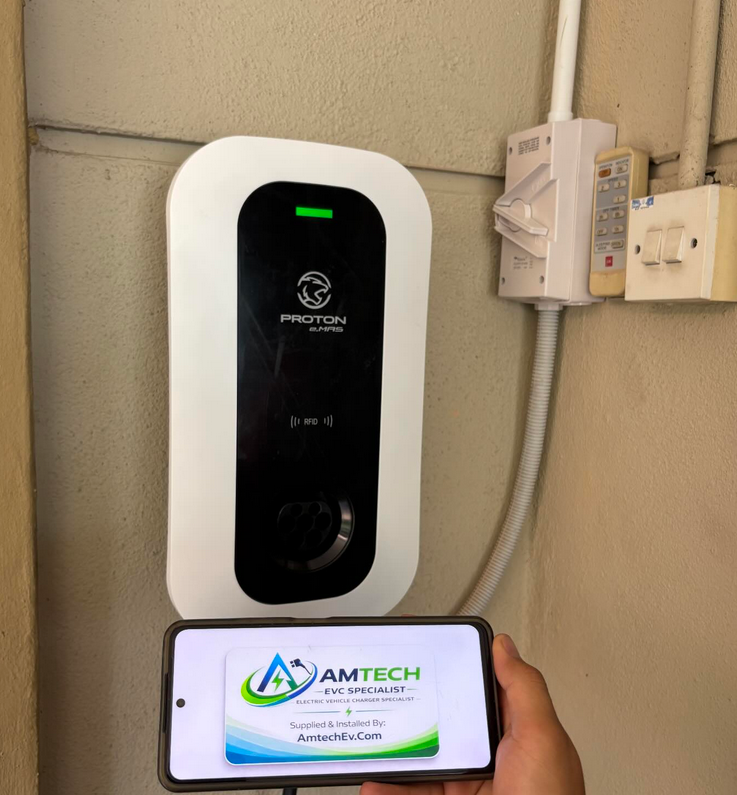
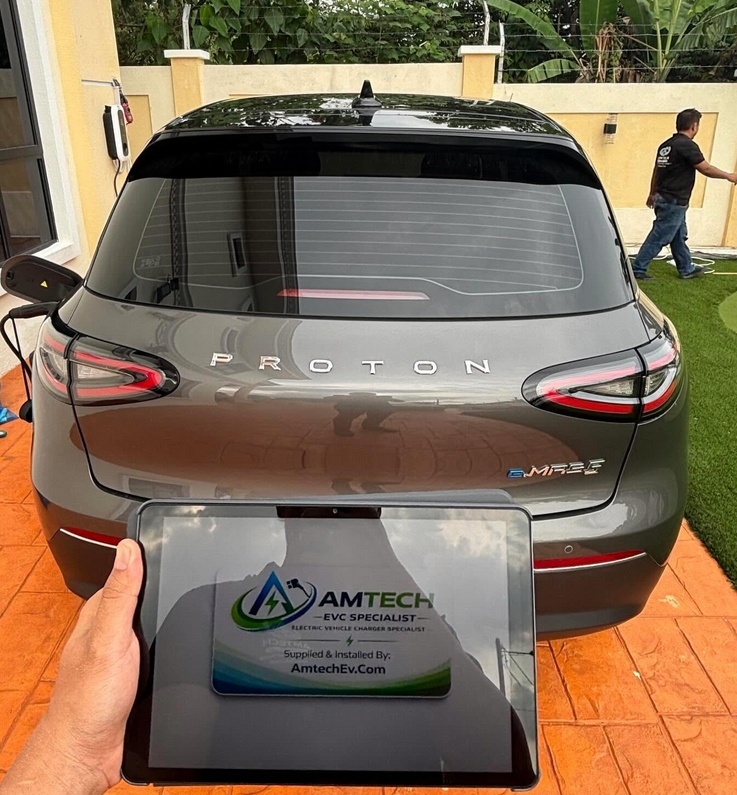
At Amtech EV (amtechev.com), we have successfully consulted on, engineered, and certified hundreds of high-rise EV installations across the Klang Valley, Penang, and Johor. This master guide provides a definitive technical and administrative roadmap for successfully approving, planning, and deploying a compliant EV charger in your Malaysian high-rise parking bay.
The Regulatory Framework: Suruhanjaya Tenaga & Safety Standards
Safety is non-negotiable when dealing with high-current electrical loads (typically 7kW to 22kW continuous draw) in confined underground basement parkings. In Malaysia, all EV charger installations must strictly adhere to the guidelines set down by Suruhanjaya Tenaga (Energy Commission) and the Jabatan Bomba dan Penyelamat Malaysia (JBPM).
Key Technical Requirements:
- MS IEC 61851 & MS IEC 62196: Compliance with Malaysian standards for electric vehicle conductive charging systems and plug/socket configurations (predominantly Type 2 for AC charging and CCS2 for DC fast charging).
- Protection Devices: Mandatory installation of a dedicated Type B Residual Current Circuit Breaker (RCCB) or a Type A RCCB combined with a 6mA DC residual direct current detection device to prevent earth-leakage tripping and electrocution hazards.
- Earthing Integrity: Sub-main cabling must incorporate a dedicated protective earth conductor. For independent sub-metering setups, a verified TT earthing system with an earth resistance reading of less than 10 ohms is mandatory.
- Fire Safety: JBPM guidelines require proper cable routing using fire-retardant conduits (e.g., heavy-duty galvanized steel pipes or certified XLPE-insulated armored cables) to prevent short-circuit fires in parking structures.
Electrical Infrastructure: TNB Supply & Metering Options
Before approaching your JMB or MC, you must understand your building's electrical architecture. High-rise buildings generally rely on a 3-phase incoming bulk meter from Tenaga Nasional Berhad (TNB), which is then stepped down to individual units.
Power Supply & Charging Speeds:
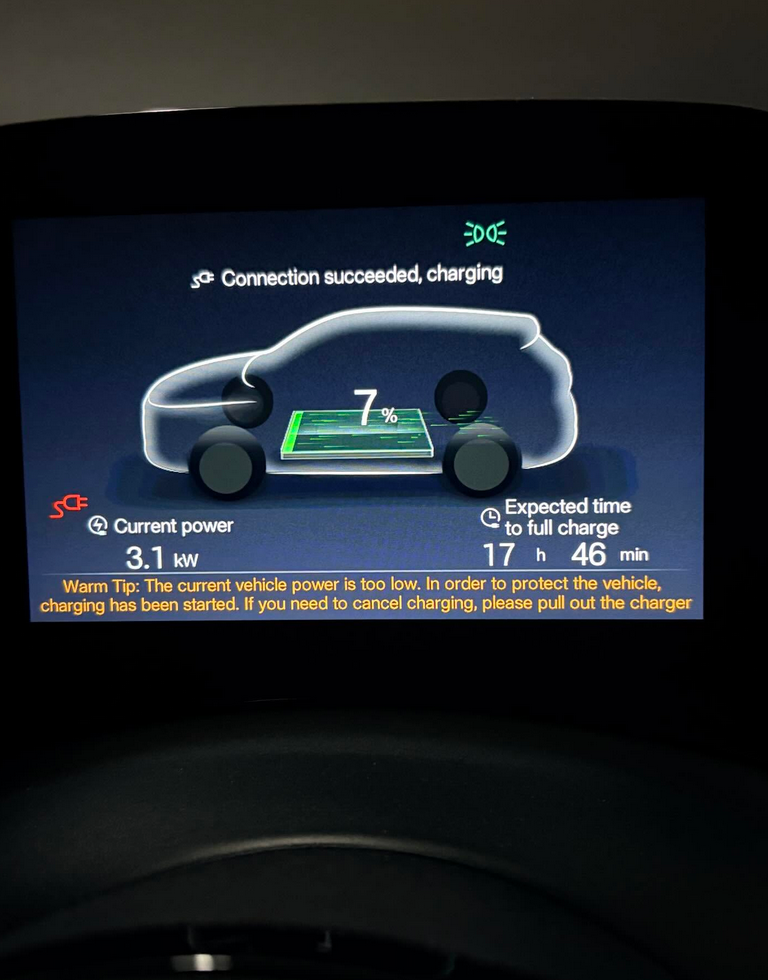
- Single-Phase Supply (230V, up to 32A / 7.4kW): Ideal for overnight charging (0% to 100% in 6 to 8 hours for a standard 60kWh battery). Suitable for most urban commuters.
- Three-Phase Supply (400V, up to 11kW or 22kW): Recommended for larger battery packs or households with multiple EVs. Requires a 3-phase wallbox charger.
Metering & Billing Solutions:
- Tapping from Unit DB via Sub-Meters: Running an armored cable from your apartment's existing Distribution Board (DB) down to your parking bay. A DLMS-compliant smart sub-meter is installed next to the charger to track kWh usage, which you pay via your domestic TNB bill (Tariff A).
- Dedicated TNB Individual Meter: Applying for a direct, separate TNB meter room allocation. While cleaner, this involves significant civil works, TNB security deposits, and coordination with the building facility manager.
- Commercial Strata Charging Networks: Partnering with third-party CPOs (Charging Point Operators) who install smart chargers and bill users per kWh via RFID or mobile apps, sharing revenue with the JMB.
Navigating JMB / MC Approval: Step-by-Step Blueprint
Getting your JMB or MC to approve your EV charger installation requires diplomacy, professional engineering drawings, and complete liability transparency. Here is how to secure approval smoothly:
- Step 1: Conduct a Site Feasibility Assessment: Hire a certified electrical contractor (like Amtech EV) to inspect the distance from your DB to your car park bay, cable tray availability, and spare capacity in the building's main switchboard (MSB).
- Step 2: Prepare a Comprehensive Proposal: Submit a formal application to the building management containing single-line diagrams (SLD), certified contractor credentials (Suruhanjaya Tenaga Class C/D or competent person endorsement), equipment datasheet (CE/SIRIM certified wallbox), and a detailed routing plan.
- Step 3: Address Liability and Indemnity: Offer to sign an indemnity agreement acknowledging that you bear full financial and legal responsibility for the maintenance, safety, and eventual reinstatement of the common property altered during installation.
- Step 4: Formal Approval at AGM/EGM: For major structural alterations or common-area power draws, the management may table the motion during the Annual General Meeting (AGM) or Extraordinary General Meeting (EGM). Propose a standard strata EV policy to benefit all residents.
Cost Breakdown for High-Rise EV Charger Installation (RM)
Transparency is vital when budgeting for your high-rise home charger. Below is a realistic cost breakdown in Malaysian Ringgit (RM) for a standard 7.4kW single-phase home wallbox installation requiring a long cable run (approx. 30–50 meters) through strata common property.
| Item / Component | Description | Estimated Cost (RM) |
|---|---|---|
| Smart EV Wallbox Charger | 7.4kW AC Charger (Wi-Fi/RFID enabled, Type 2, OCPP 1.6J) | RM 3,500 – RM 6,000 |
| Cabling & Routing Materials | Heavy-duty 3-core XLPE Armored Cable (6mm² to 10mm²), GI trunking, conduits | RM 1,200 – RM 3,000 |
| Protection & Switchgear | Type B RCCB, MCB, weatherproof enclosure, isolator switch | RM 600 – RM 1,200 |
| Sub-Metering System | DLMS digital kilowatt-hour (kWh) sub-meter for accurate billing | RM 400 – RM 800 |
| Professional Labor & Testing | Suruhanjaya Tenaga certified wiring, core-drilling, insulation testing, and certification | RM 1,000 – RM 2,500 |
| Total Estimated Investment | Complete Turnkey Installation (Excluding Management Admin Fees) | RM 6,700 – RM 13,500 |
Government Incentives: LHDN Tax Relief & Rebates
To offset your capital investment, the Malaysian Government through LHDN offers substantial individual income tax relief. Under Budget 2024 and extended through subsequent announcements:
- Individual Income Tax Relief: Claim up to RM2,500 on expenses related to EV charging equipment installation, rental, purchase, or hire-purchase fees, as well as subscription services. This relief is claimable annually for assessment years up to 2027.
- Road Tax Exemption: Fully electric vehicles are currently exempt from road tax until 31 December 2025, drastically reducing total cost of ownership.
Expert Tip from Amtech EV: Always retain your official tax invoice and receipt from a Suruhanjaya Tenaga registered electrical contractor. Unlicensed DIY installations not only void your tax relief claims and charger warranty—they also expose your strata building to extreme fire and insurance liabilities.
Frequently Asked Questions (FAQ)
1. Can my JMB or MC legally reject my EV charger installation application?
Yes, if the installation compromises building electrical safety, blocks common fire escape routes, or lacks proper engineering certification. However, under progressive strata guidelines and national green mobility pushes, managements are encouraged not to unreasonably withhold consent if all safety, cabling, and indemnity conditions are professionally met.
2. How is my electricity consumption billed if my charger is in the basement car park?
The most common method is running a sub-main cable from your apartment’s unit distribution board (DB) to your designated parking bay, equipped with a certified sub-meter. You monitor the kWh used and settle the electricity cost directly within your household TNB bill under Tariff A.
3. Can I install a DC Fast Charger in my condo parking lot?
Generally, no. DC Fast Chargers (DCFC) require high-voltage industrial supplies (often 50kW to 150kW+), massive transformer upgrades, and immense capital expenditure that residential strata buildings are neither zoned nor equipped to handle. Residential high-rises rely exclusively on Level 2 AC Wallboxes (7kW to 22kW).
4. What qualifications must my installer possess in Malaysia?
By Malaysian law (Electricity Supply Act 1990), electrical installation work must be performed by or under the direct supervision of a Suruhanjaya Tenaga (Energy Commission) Competent Person (such as a certified Wireman with Single-Phase/Three-Phase endorsement or an Electrical Engineer).