The Ultimate Guide to EV Charger Installation in Malaysian High-Rises
As electric vehicle (EV) adoption accelerates across Malaysia, transitioning from landed property charging to high-rise strata living presents unique technical, legal, and operational challenges. For residents living in condominiums and apartments, installing a home EV charger is not merely a matter of plugging into the nearest wall socket. It requires navigating strata property management (Joint Management Body or Management Corporation), coordinating with Tenaga Nasional Berhad (TNB), and complying with stringent safety regulations enforced by Suruhanjaya Tenaga (Energy Commission).
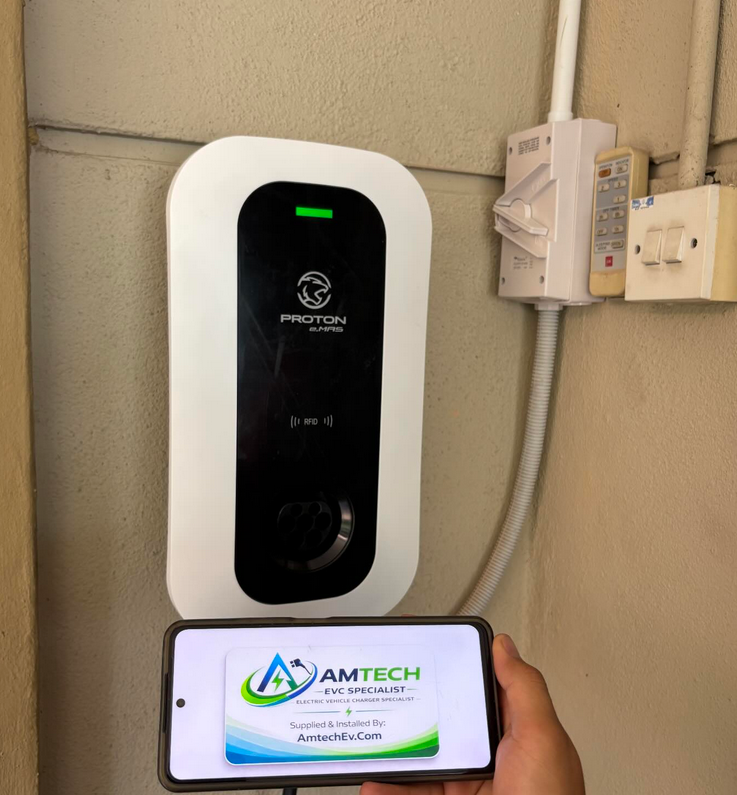
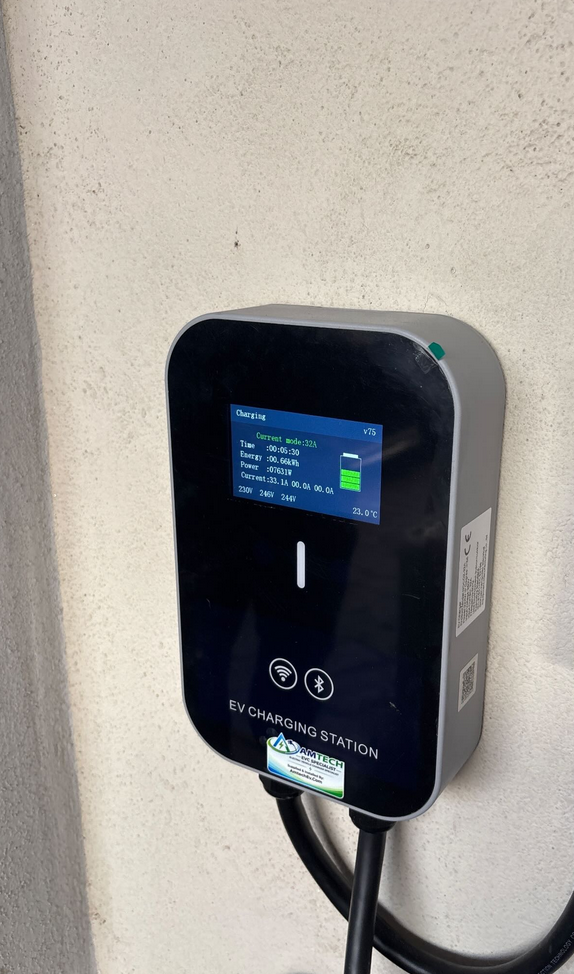
At Amtech EV (amtechev.com), we have successfully engineered and installed hundreds of smart charging stations across Klang Valley, Penang, and Johor high-rise developments. This master technical guide outlines everything you need to know to secure JMB/MC approval, meet Malaysian electrical compliance, and calculate your installation investment accurately.
1. The Malaysian Regulatory Framework: Safety First
Installing an EV charger (Electric Vehicle Charging Station - EVCS) is classified as electrical installation work under Malaysian law. Unauthorized DIY installations pose severe fire hazards and risk electrocution. All works executed by Amtech EV strictly adhere to national standards:
- MS IEC 61851: The foundational standard for electric vehicle conductive charging systems, governing communication protocols between the EVSE (Electric Vehicle Supply Equipment) and the vehicle.
- MS IEC 62196: Mandates the use of Type 2 AC connectors and CCS2 DC plugs as the national standard for all public and private charging infrastructure in Malaysia.
- Suruhanjaya Tenaga (ST) Guidelines: Legally requires all high-power EV chargers (above 15A single-phase or any three-phase unit) to be installed by a Suruhanjaya Tenaga-certified Electrical Contractor.
- Jabatan Bomba dan Penyelamat Malaysia (JBPM): Fire safety protocols dictate safe cable routing, emergency shut-off integration, and restriction of combustible materials near charging zones in basement parkings.
2. Electrical Safety & Protection: Why Type B RCCB is Non-Negotiable
A frequent point of discussion during JMB technical briefings is electrical protection. Unlike standard household appliances, EV charging involves high-amperage continuous loads and potential direct current (DC) fault currents.
To comply with ST safety mandates, every Amtech EV installation incorporates:
- Dedicated Earthing System: A dedicated TT earthing rod installed specifically for the charger, ensuring earth resistance is strictly maintained below 10 ohms.
- Residual Current Circuit Breaker (RCCB): Installation of a Type B RCCB (or a Type A RCCB paired with a 6mA DC residual current detector) to safeguard against smooth DC fault currents that can blind standard Type AC breakers.
- Overload and Surge Protection: Appropriate MCB/RCBO sizing matching the cable cross-sectional area (e.g., 6mm² or 10mm² XLPE/SWA cables) to prevent thermal overload during extended overnight charging sessions.
3. Navigating JMB / MC Approval in Strata Properties
Under the Strata Management Act 2013 (SMA 2013), common property modifications require formal approval from the JMB or MC. Property managers are understandably cautious regarding fire safety, overloading the building's main switchboard (MSB), and equitable allocation of electricity.
Here is the step-by-step roadmap to secure your JMB approval smoothly:
- Conduct a Feasibility Study: Engage Amtech EV to assess your parking bay location relative to the sub-meter room or your apartment's distribution board (DB).
- Prepare a Professional Technical Proposal: Submit a comprehensive engineering proposal to the building management, including single-line diagrams (SLD), equipment specifications, and contractor certification (ST Class C/B).
- Choose Your Power Source Architecture: Decide whether to tap into your own unit's house meter (via long-run cabling through cable trays) or install a dedicated TNB sub-meter through the building's common supply (requires dynamic load balancing).
- Sign a Deed of Mutual Covenants / Indemnity Agreement: Most JMBs require homeowners to sign an indemnity form holding the management harmless against installation-related liabilities.
4. TNB Tariffs, Smart Metering, and Cost Comparison
Operating your EV charger efficiently requires understanding TNB electricity structures. Most Malaysian households operate under Tariff A (Domestic), which uses a tiered block system:
| TNB Tariff Tier (kWh) | Rate per kWh (RM) | Notes |
|---|---|---|
| 1 - 200 kWh | RM 0.218 | Subsidized base tier |
| 201 - 300 kWh | RM 0.334 | Moderate usage tier |
| 301 - 600 kWh | RM 0.516 | Standard middle-upper tier |
| 601 - 900 kWh | RM 0.546 | High usage tier |
| 901 kWh and above | RM 0.571 | Applicable for heavy EV charging |
Furthermore, Malaysian EV owners can apply for the Time-of-Use (ToU) Tariff (specifically enhanced under the Green Electricity Tariff and pilot EV initiatives), allowing cheaper electricity rates during off-peak hours (typically 10:00 PM to 8:00 AM), drastically cutting overnight charging costs.
5. Detailed Cost Breakdown for Condo EV Charger Installation (RM)
Every high-rise installation is unique due to cable run distances. Below is an average cost breakdown for a standard 7kW single-phase or 22kW three-phase smart wallbox installation by Amtech EV in the Klang Valley:
| Cost Component | Description | Estimated Price Range (RM) |
|---|---|---|
| Smart EV Wallbox (7kW - 22kW) | Type 2 tethered/untethered unit (e.g., ABB, Wallbox, Schneider) | RM 3,500 – RM 7,500 |
| Suruhanjaya Tenaga Compliance | Type B RCCB, dedicated MCB/RCBO, surge protection device (SPD) | RM 600 – RM 1,200 |
| Cabling & Trunking (per 10m-30m) | Armoured cable (XLPE/SWA) or heavy-duty copper wire in metal trunking | RM 800 – RM 2,500 |
| Sub-meter / Energy Meter | Digital kWh meter for tracking consumption (if tapping common supply) | RM 400 – RM 900 |
| Certified Installation Labor | ST-certified electrician deployment, core drilling, testing & commissioning | RM 800 – RM 1,800 |
| Total Estimated Investment | Complete turnkey condo installation package | RM 6,100 – RM 13,900 |
Tax Incentive Note: Under Budget 2024 and extended through LHDN guidelines, individual taxpayers can claim personal income tax relief of up to RM2,500 for EV charging equipment purchase, rental, and installation expenses valid until 2027. Keep all official invoices from certified contractors like Amtech EV!
Frequently Asked Questions (FAQ)
1. Can I install a 22kW three-phase charger in my condo parking bay?
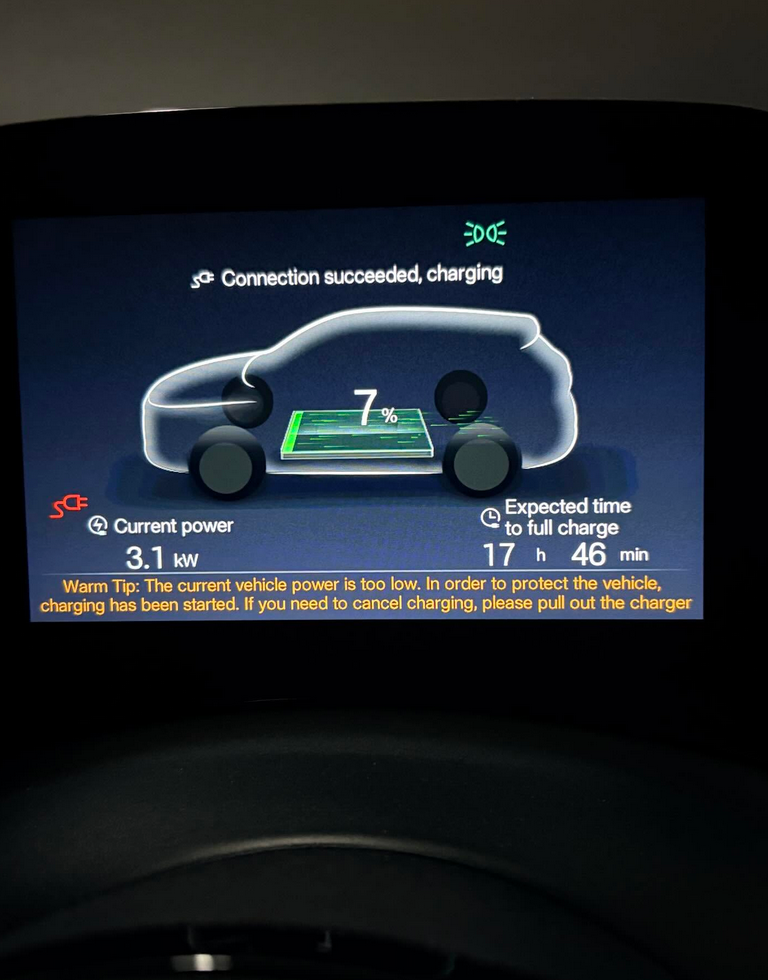
It depends entirely on your vehicle's onboard charger (OBC) capability and your condo's electrical supply capacity. While most electric cars accept 7kW (single-phase) or 11kW/22kW (three-phase), many condo parking structures have limited electrical capacity. Amtech EV performs a load analysis to determine if your building can support 22kW or if 7kW is optimal.
2. Who pays for the electricity used by my EV charger in a condo?
There are two primary methods: (1) Tapping directly from your own unit's distribution board (DB), meaning the electricity billed goes straight to your personal TNB bill; or (2) Connecting to the building's common supply via a dedicated sub-meter installed and monitored by the JMB, where you reimburse the management monthly based on exact kWh usage.
3. Is it legal to use a standard 3-pin portable charger (IC-CPD) daily in a high-rise?
While 3-pin portable chargers work in emergencies, continuous high-amperage draw (typically 10A-13A for 8 to 12 hours) places immense thermal stress on standard wall sockets, frequently leading to melted sockets and severe fire risks. Suruhanjaya Tenaga strongly recommends a dedicated AC wallbox with proper thermal protection and Type B residual current protection.
4. What happens if the JMB rejects my EV charger application?
JMB rejections usually stem from safety liability or unfamiliarity with EV electrical standards. Amtech EV bridges this gap by providing professional engineering documentation, certified single-line diagrams, and liaising directly with your property manager or building engineer to ensure full regulatory alignment.