The Ultimate Guide to EV Charger Installation in Malaysian Strata Properties
As electric vehicles (EVs) rapidly gain market share across Malaysia, one of the most pressing challenges facing urban drivers is residential charging. While landed property owners can install a home wallbox relatively easily, over 40% of urban Malaysians live in high-rise strata developments—condominiums, apartments, and gated communities. Installing an EV charger in a stratified building involves navigating a complex matrix of Joint Management Body (JMB) or Management Corporation (MC) bylaws, Tenaga Nasional Berhad (TNB) metering arrangements, and strict Suruhanjaya Tenaga (Energy Commission) safety regulations.
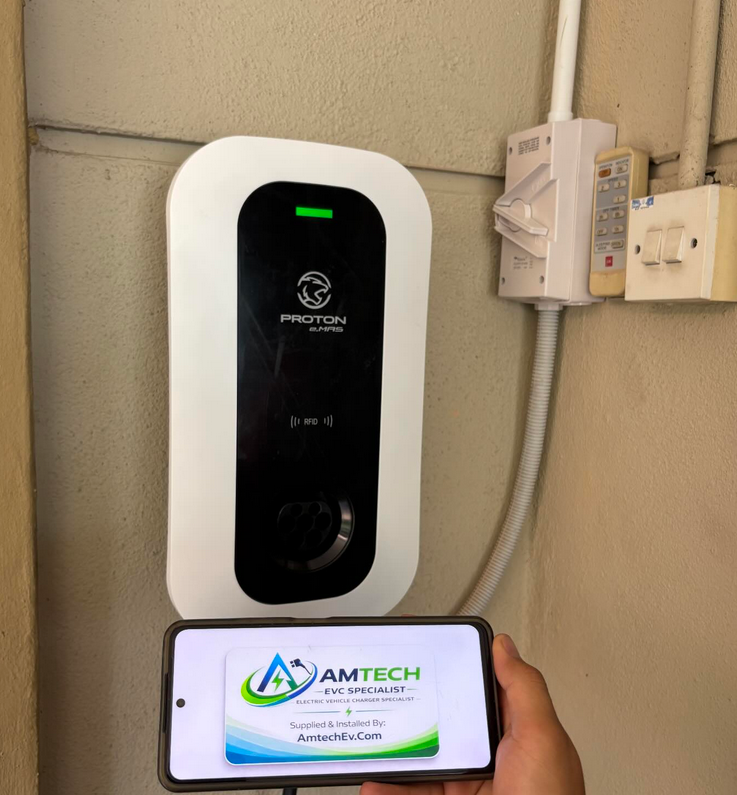
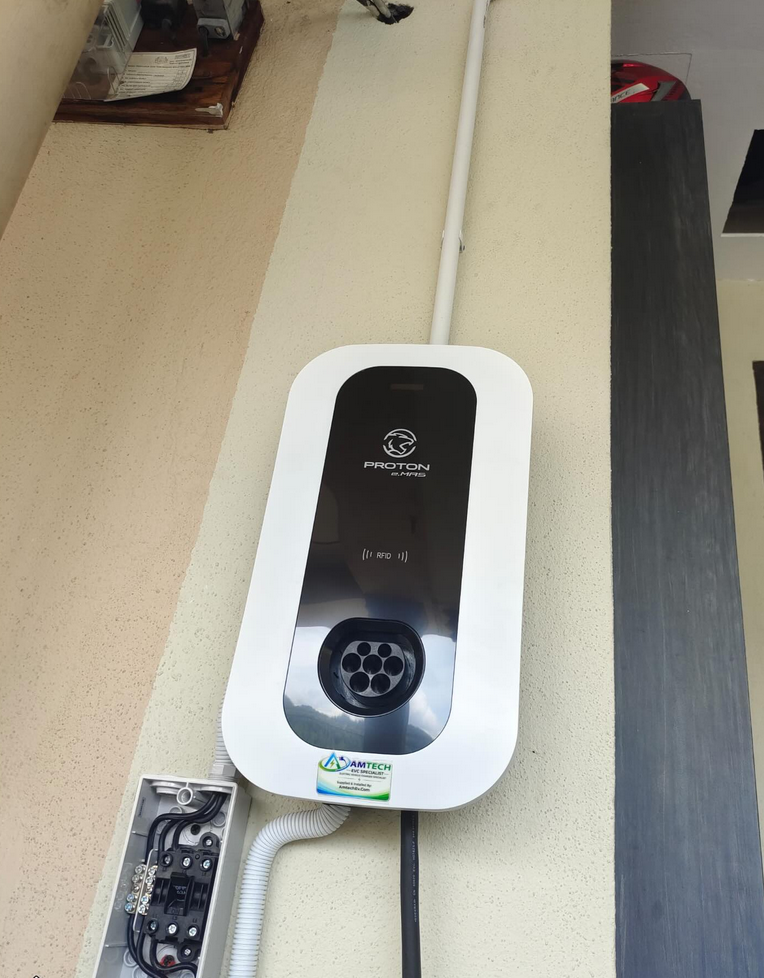
At Amtech EV (amtechev.com), Malaysia's premier EV charger supply, consultation, and certified installation specialist, we have successfully guided hundreds of strata residents and property managers through this exact journey. This definitive master guide breaks down everything you need to know about technical requirements, regulatory compliance, JMB/MC approvals, and transparent cost calculations in Ringgit Malaysia (RM).
1. Malaysian Regulatory Standards & Electrical Safety Compliance
Safety is paramount when dealing with high-power electrical installations in multi-story residential buildings. Suruhanjaya Tenaga (ST) and the Department of Standards Malaysia enforce rigorous compliance codes that every certified installer must strictly follow:
- MS IEC 61851: The foundational standard for electric vehicle conductive charging systems, governing communication protocols between the EV supply equipment (EVSE) and the vehicle.
- MS IEC 62196: Specifies the physical connector standards. In Malaysia, Type 2 AC charging (up to 22kW) and CCS2 DC fast charging are the national standardizations.
- Residual Current Protection: Suruhanjaya Tenaga mandates either a dedicated Type B RCCB (Residual Current Circuit Breaker) or a Type A RCCB paired with a 6mA DC residual direct current detection device. This protects against severe earth leakage faults characteristic of EV power electronics.
- Earthing Integrity: Sub-metered or extended carpark runs require rigorous TT earthing verification. Dedicated copper earthing rods must achieve a resistance reading of less than 10 ohms to safeguard users against touch-potential hazards.
- Jabatan Bomba dan Penyelamat Malaysia (JBPM): Fire safety protocols dictate that basement installations must maintain clear evacuation pathways, proper signage, and emergency shut-off mechanisms where required.
2. TNB Supply Infrastructure: Single-Phase vs. Three-Phase & Metering
Before approaching your JMB or MC, you must understand your building's electrical capacity and how your electricity will be billed. Most modern Malaysian condominiums feature three-phase incoming supplies, though individual units may be single-phase or three-phase.
Charging Speeds & Power Requirements
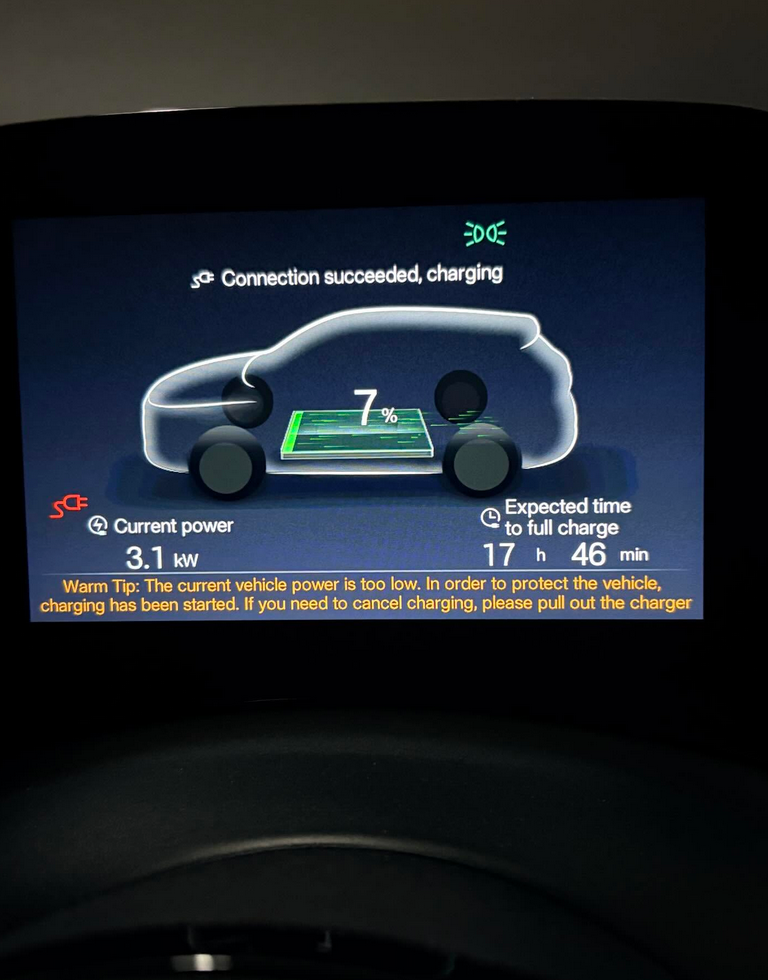
- Single-Phase (7.4 kW / 32A): Draws roughly 32 Amps. Ideal for overnight top-ups. Most EVs can fully charge from 0-100% in 6 to 8 hours.
- Three-Phase (11 kW to 22 kW / 16A to 32A): Dramatically reduces charging time (3 to 4 hours for an 11kW setup). Requires a three-phase onboard charger in your EV.
TNB Metering Options in Strata Buildings
- Direct Tapping from Unit Meter (Sub-Metering): The cabling runs from your existing TNB house meter in the utility room all the way to your designated parking bay. This is the most cost-effective method because electricity consumption is billed directly under your residential TNB account (Tariff A), allowing you to benefit from progressive block tariffs.
- Commercial Sub-Meter / RFID Smart Chargers: Connected to the building's common area 3-phase supply. The JMB sets a per-kWh tariff (often incorporating management fees or maintenance funds) and bills the resident via smart apps or RFID cards.
3. Navigating JMB and MC Approvals: Step-by-Step Strategy
Under the Strata Management Act 2013 (SMA 2013), common property parking bays belong to all parcel owners collectively. You cannot arbitrarily lay cables across common pillars or tap into common distribution boards without formal authorization.
"Securing JMB approval is not just a bureaucratic hurdle; it is a vital engineering review ensuring that the building's electrical infrastructure is not overloaded and that fire safety risks are fully mitigated." — Amtech EV Engineering Team
Your Roadmap to JMB Approval
- Step 1: Conduct a Preliminary Feasibility Assessment. Hire a certified specialist like Amtech EV to assess the distance from the electrical riser room to your parking bay and verify available capacity.
- Step 2: Prepare a Professional Proposal Deck. Submit a comprehensive engineering proposal to the building management containing single-line diagrams (SLD), equipment specifications (CE/ST certified), installer credentials (Suruhanjaya Tenaga Class C/D/Competent Person), and proof of RM 1 Million Public Liability Insurance.
- Step 3: Agree on Strata Bylaws & Indemnity. Sign a Memorandum of Understanding (MOU) or developer-approved installation agreement outlining maintenance responsibilities, cable routing pathways, and restoration obligations upon moving out.
4. Cost Breakdown & Financial Incentives (RM)
Transparency is core to Amtech EV's philosophy. Below is a detailed cost analysis for a typical condo EV charger installation in Malaysia, assuming a cable run of 30 meters from the utility room to the parking bay.
| Expense Item | Description / Specifications | Estimated Cost (RM) |
|---|---|---|
| EV Smart Wallbox (7.4kW) | Type 2 tethered/untethered unit (OCPP 1.6J, App control, RFID) | RM 2,800 – RM 4,500 |
| Certified Electrical Cabling | Heavy-duty XLPE/SWA/PVC copper armored cable (3 core x 6.0mm² to 10mm²) | RM 1,500 – RM 3,000 (appx RM50/m) |
| Protection Devices & Enclosure | Type B RCCB / Type A + 6mA DC, MCB, weatherproof IP65 enclosure | RM 600 – RM 1,200 |
| Trunking, Containment & Sub-meter | GI trunking, cable trays, digital kWh sub-meter, mounting pole/brackets | RM 500 – RM 1,200 |
| Professional Labor & Testing | Suruhanjaya Tenaga certified wiring, Earth loop impedance testing, Endorsement | RM 800 – RM 1,500 |
| Total Estimated Investment | Complete turnkey installation (excluding potential TNB meter upgrading fees) | RM 6,200 – RM 11,400 |
Government Incentives (LHDN Tax Relief)
To accelerate green mobility, the Malaysian Government via LHDN offers individual income tax relief of up to RM2,500 for the purchase, installation, rental, or hire-purchase subscription of EV charging equipment. This tax incentive is valid through December 31, 2027. Make sure to keep all official tax invoices and receipts issued by your certified installer!
5. Frequently Asked Questions (FAQ)
Q1: Can my condo JMB reject my EV charger installation application?
A: Technically, a JMB cannot outright reject a reasonable request without valid engineering justifications (e.g., total building electrical overload or proven safety hazards). However, under strata bylaws, they hold the right to dictate routing aesthetics, require professional engineering drawings, and mandate proper public liability insurance. Engaging a certified specialist like Amtech EV ensures your application complies with all technical prerequisites, smoothing out management approval.
Q2: Do I need to upgrade my home electricity supply to three-phase?
A: Not necessarily. If you install a standard 7.4kW single-phase wallbox, your existing single-phase supply is often sufficient, provided your total home maximum demand does not exceed your main circuit breaker rating (typically 40A or 63A). However, if you plan to install a faster 11kW or 22kW three-phase charger or run heavy household appliances simultaneously, a TNB three-phase upgrade is recommended.
Q3: Who pays for the electricity consumed by my condo wallbox?
A: If your charger is wired directly to your unit's meter (sub-metered setup), the electricity is billed directly to your personal TNB account under Tariff A. If connected to a common area commercial supply managed by the JMB, billing is typically handled via integrated smart charger RFID apps where you reload credits directly to the management or building operator.
Q4: Is it safe to charge my EV in an underground basement carpark?
A: Yes, absolutely. Modern EV chargers are equipped with advanced thermal throttling, over-voltage, and short-circuit protection. Furthermore, professional installations by certified engineers strictly follow MS IEC standards and incorporate robust Type B earth-leakage breakers, rendering underground basement charging entirely secure.