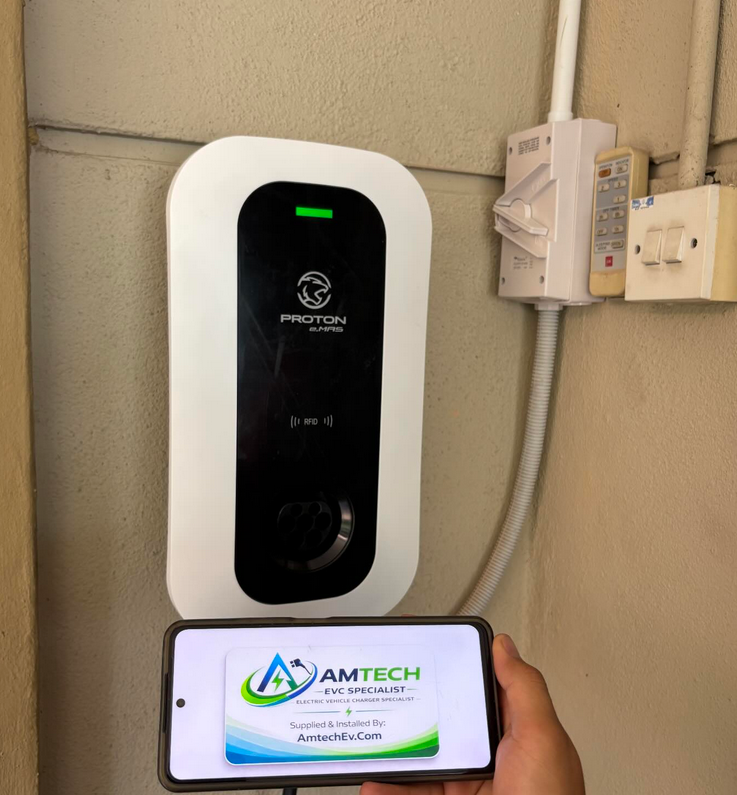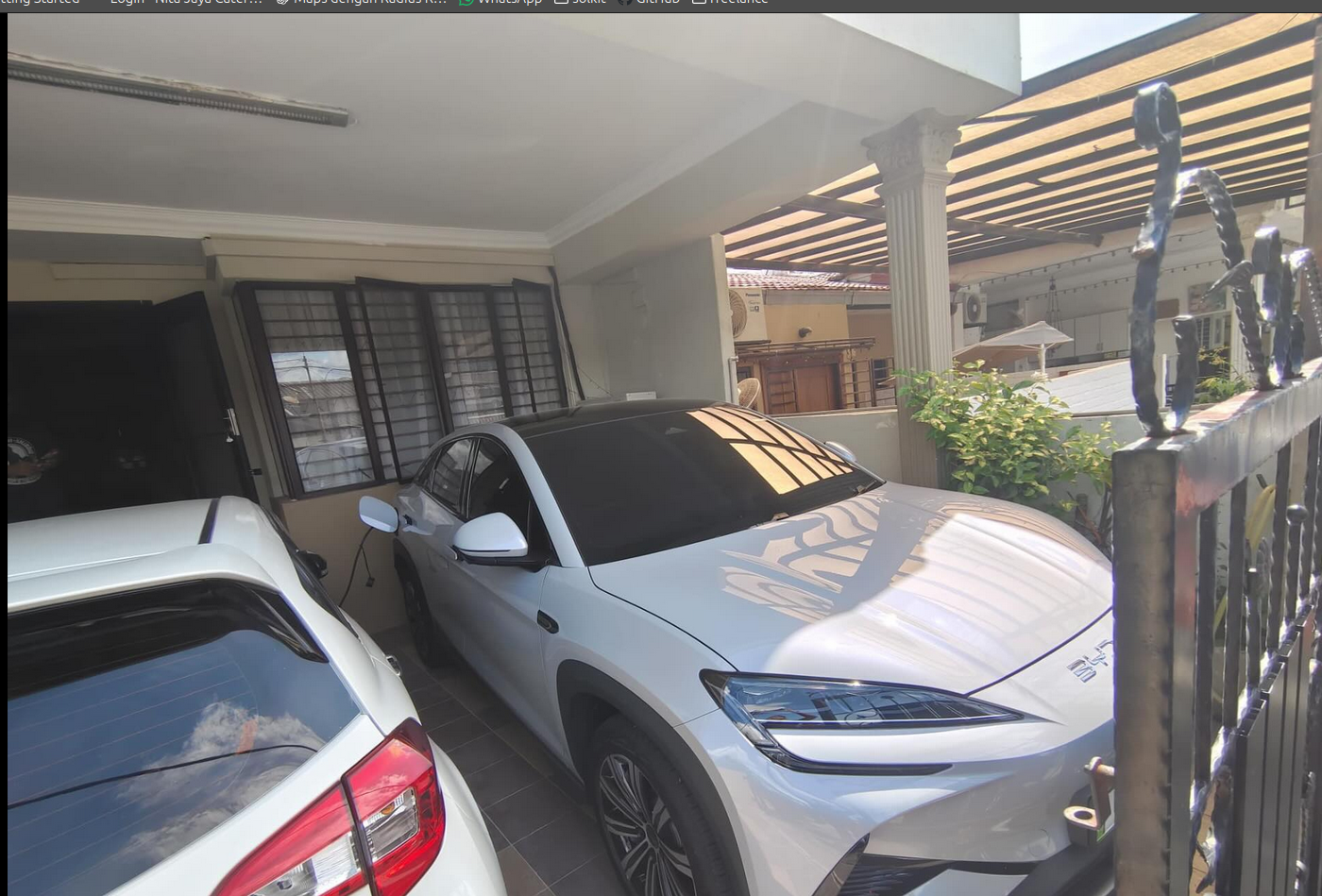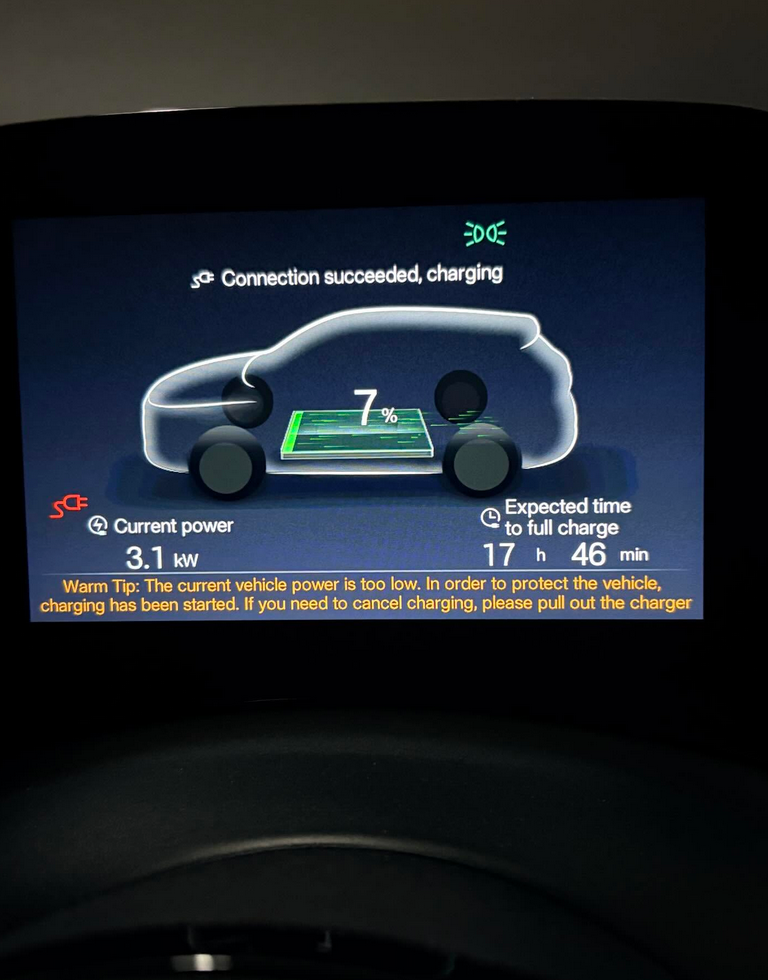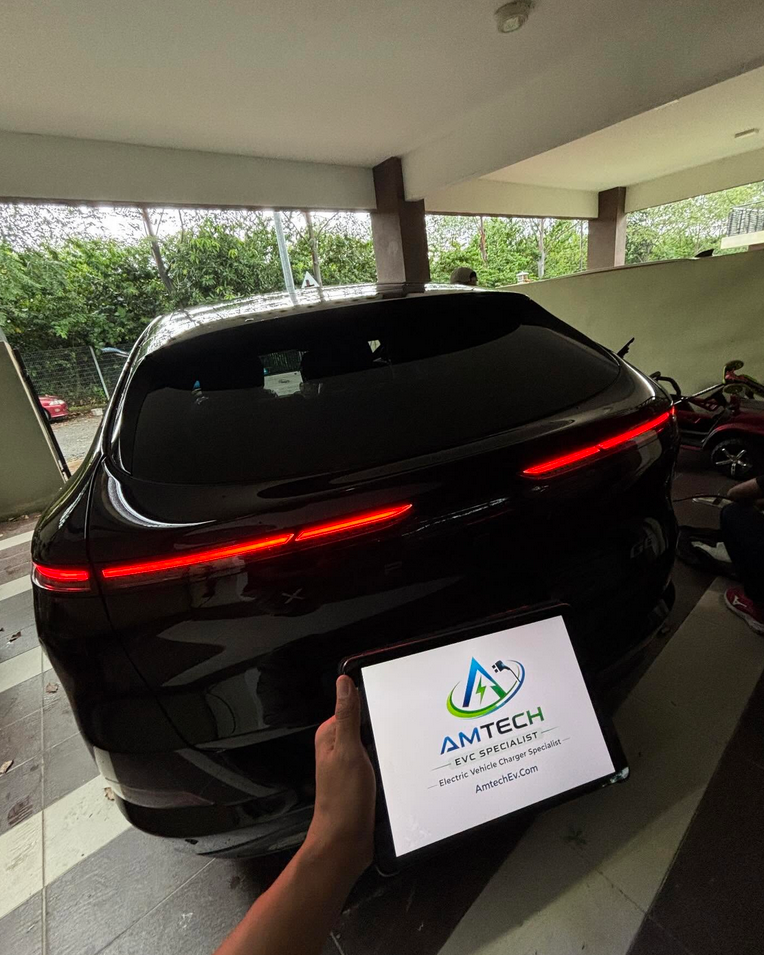
Introduction to Strata EV Charging in Malaysia
As Electric Vehicles (EVs) rapidly gain mainstream adoption across Malaysia, transitioning from landed properties to high-rise strata living presents a unique set of technical, regulatory, and administrative challenges. For the estimated 40% of urban Malaysians residing in condominiums, apartments, and serviced residences, installing a dedicated home EV charger is not simply a matter of plugging into a standard wall socket. It requires navigating complex electrical engineering standards, securing formal approvals from the Joint Management Body (JMB) or Management Corporation (MC), and integrating safely with existing building infrastructure.
At Amtech EV, we specialize in bridging the gap between high-rise strata governance and advanced electrical engineering. This authoritative master guide explores everything Malaysian EV owners, JMB/MC committee members, and property managers need to know about successfully designing, approving, and installing compliant, high-performance EV charging infrastructure in stratified buildings.
Regulatory & Safety Framework: Suruhanjaya Tenaga & JBPM Standards
Safety is paramount when high-power electrical loads are introduced into shared multi-tenant residential buildings. In Malaysia, any electrical installation connected to a supply must strictly comply with the guidelines set forth by the Suruhanjaya Tenaga (Energy Commission), MS IEC 61851 (Electric vehicle conductive charging system), and MS IEC 62196 (Plugs, socket-outlets, vehicle connectors, and vehicle inlets).
- Dedicated Protection: Every EV charger (Electric Vehicle Supply Equipment - EVSE) must be served by a dedicated circuit directly from the distribution board or sub-meter panel, utilizing appropriate cable sizing (typically 4mm² to 16mm² XLPE/SWA/PVC copper cables depending on amperage and run length).
- Residual Current Device (RCD) Requirements: Suruhanjaya Tenaga mandates robust fault protection. Installers must use a Type B RCCB or a combination of a Type A RCCB coupled with a 6mA DC residual direct current detection device to prevent blinding from smooth DC fault currents.
- Earthing Integrity: A dependable earthing system is non-negotiable. For many strata installations, a dedicated TT earthing rod must be driven to achieve earth resistance of under 10 ohms, mitigating touch-potential hazards.
- Jabatan Bomba dan Penyelamat Malaysia (JBPM) Protocols: Fire safety authorities require clear emergency shutdown procedures, adherence to basement ventilation standards, and physical protection (such as bollards and wheel stops) to prevent vehicle impacts against charging pillars or wallboxes.
- Single-Phase Supply (230V): Typically caps out at 32A, delivering a maximum charging rate of 7.4 kW. This is sufficient for overnight charging of most battery sizes (e.g., adding ~40km of range per hour).
- Three-Phase Supply (400V): Can support 16A (11 kW) or 32A (22 kW) charging speeds, ideal for modern EVs with larger onboard chargers (like the BYD Atto 3, Tesla Model Y, or Hyundai Ioniq 5).
- Electricity Tariffs & Sub-Metering: Most strata car parks run on commercial or bulk residential tariffs managed by the building. To bill individual users fairly, Amtech EV installs TNB-approved MID-certified smart sub-meters integrated with RFID or mobile app billing systems. This allows condo residents to pay precisely for the kWh consumed, avoiding disputes with the JMB over common property electricity bills.
- Conduct a Feasibility Study: Engage a certified electrical contractor (like Amtech EV) to assess your designated parking bay's distance from the electrical riser room and check existing maximum demand loads.
- Submit a Formal Application: Prepare an engineering proposal package for the property manager. Include your EV charger specifications, single-line diagram (SLD), contractor Suruhanjaya Tenaga certification, and proof of third-party liability insurance.
- Propose a Fair Billing Mechanism: Present the smart sub-metering solution, assuring the JMB that all electricity costs will be borne by the unit owner, complete with automated top-up or monthly billing reconciliation.
- Sign a Deed of Mutual Covenants / Indemnity Agreement: Most JMBs require an indemnity letter acknowledging that the owner bears full responsibility for maintenance, safety, and eventual reinstatement of the parking bay upon moving out.
TNB Supply Infrastructure: Single-Phase vs. Three-Phase & Metering
Understanding Tenaga Nasional Berhad (TNB) electrical supply dynamics is vital before initiating any installation in a strata building:
Step-by-Step Guide: Securing JMB/MC Approval
Convincing a JMB or MC to approve an individual EV charger requires a structured, professional proposal. Follow this step-by-step framework:
Cost Breakdown for Condo EV Charger Installation in Malaysia
The total investment depends on the cable run length from the electrical riser to your specific parking bay, electrical supply upgrades, and hardware selection. Below is a realistic cost matrix in Malaysian Ringgit (RM):
| Cost Component | Description / Specifications | Estimated Cost (RM) |
|---|---|---|
| EV Charger Hardware (Smart Wallbox) | 7kW to 22kW (e.g., ABB, Schneider, Wallbox, or OEM units with OCPP) | RM 3,500 – RM 7,000 |
| Cabling & Trunking Works | Armoured cable (XLPE/SWA), PVC trunking/conduit (per meter run) | RM 15 – RM 45 per meter |
| Protection Devices & Distribution Board | Type B RCCB / Type A + 6mA DC, MCB, weatherproof enclosure, sub-meter | RM 800 – RM 2,500 |
| Labor, Testing & Suruhanjaya Tenaga Cert. | Certified wiring, insulation testing, loop impedance check, endorsement | RM 1,000 – RM 2,500 |
| Total Estimated Installation Range | Complete turnkey setup (excluding long cable runs > 50 meters) | RM 5,500 – RM 12,000 |
Government Incentives: LHDN Tax Relief
To accelerate EV adoption, the Malaysian Government through LHDN (Lembaga Hasil Dalam Negeri) offers individual income tax relief of up to RM2,500 for the purchase, installation, rental, or hire-purchase subscriptions of EV charging equipment. This incentive is valid through 2027. Retain all official invoices from certified contractors like Amtech EV to claim this deduction during your annual tax filing.
Frequently Asked Questions (FAQ)
1. Can my condo JMB reject my EV charger installation outright?
Under Malaysian strata property laws, a JMB cannot unreasonably withhold permission, provided the installation complies with Suruhanjaya Tenaga safety standards, does not compromise building structural integrity, and includes a transparent electricity billing solution. However, aesthetic guidelines and designated routing rules set by the management must be respected.
2. How is electricity billed if my charger is connected to the building's common riser?
Amtech EV integrates an MID-approved smart sub-meter with remote telemetry or RFID access. The system accurately tracks kilowatt-hour (kWh) consumption. The JMB or building manager reads the meter monthly and bills the specific unit owner alongside their standard maintenance charges.
3. What happens if I move out of my condominium?
Typically, homeowners either negotiate to sell the wallbox charger to the incoming buyer or tenant, or un-install the wallbox unit and reinstate the parking bay to its original condition, depending on the terms agreed upon in your JMB indemnity agreement.
4. Do I need a three-phase power supply in my condo parking bay?
Not necessarily. A single-phase 7.4 kW charger can fully replenish most EV batteries overnight (0% to 100% in 6 to 8 hours), which is more than adequate for daily urban commuting in Malaysia. Three-phase 11kW/22kW installations are recommended if you drive high-mileage daily or operate fleet vehicles.