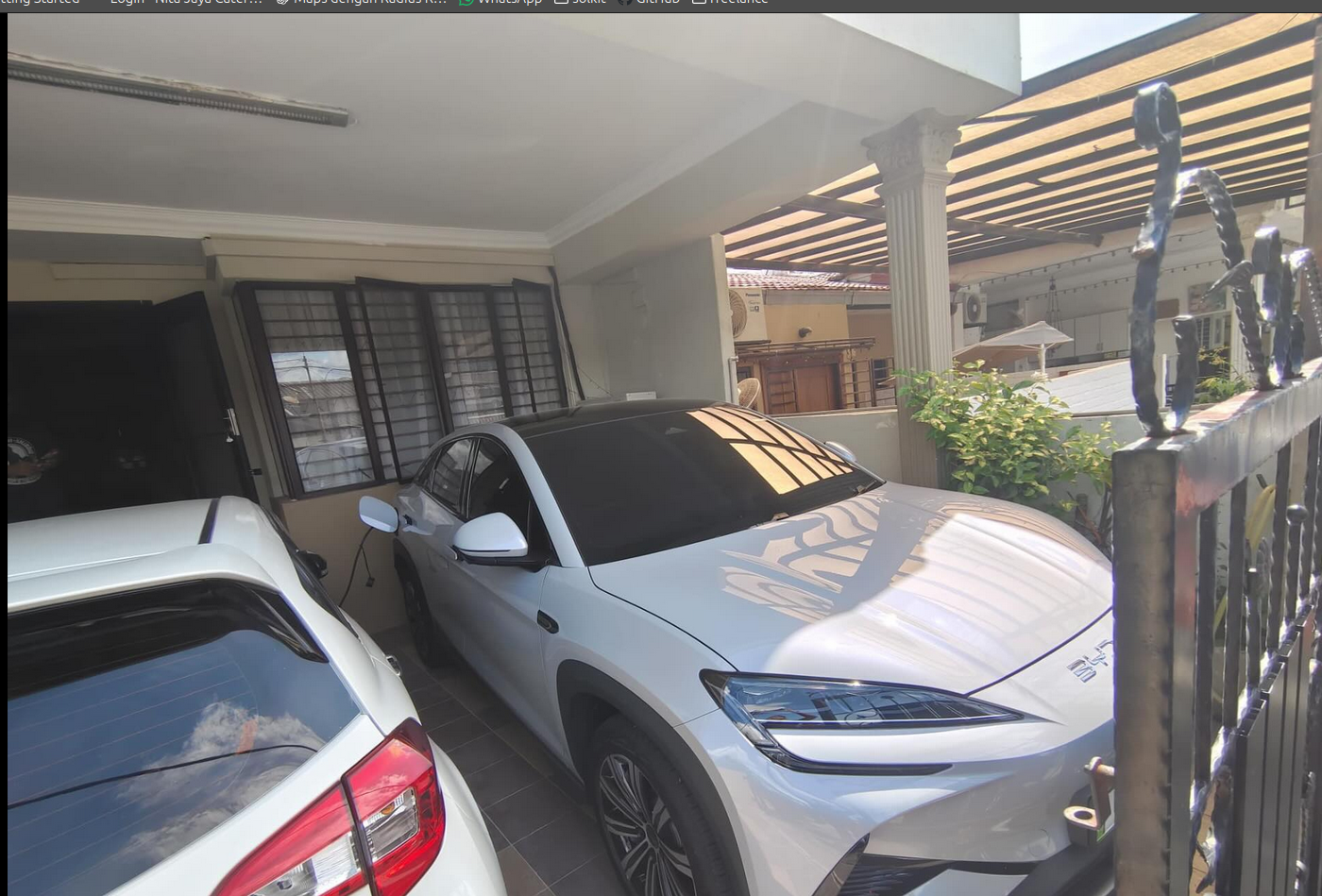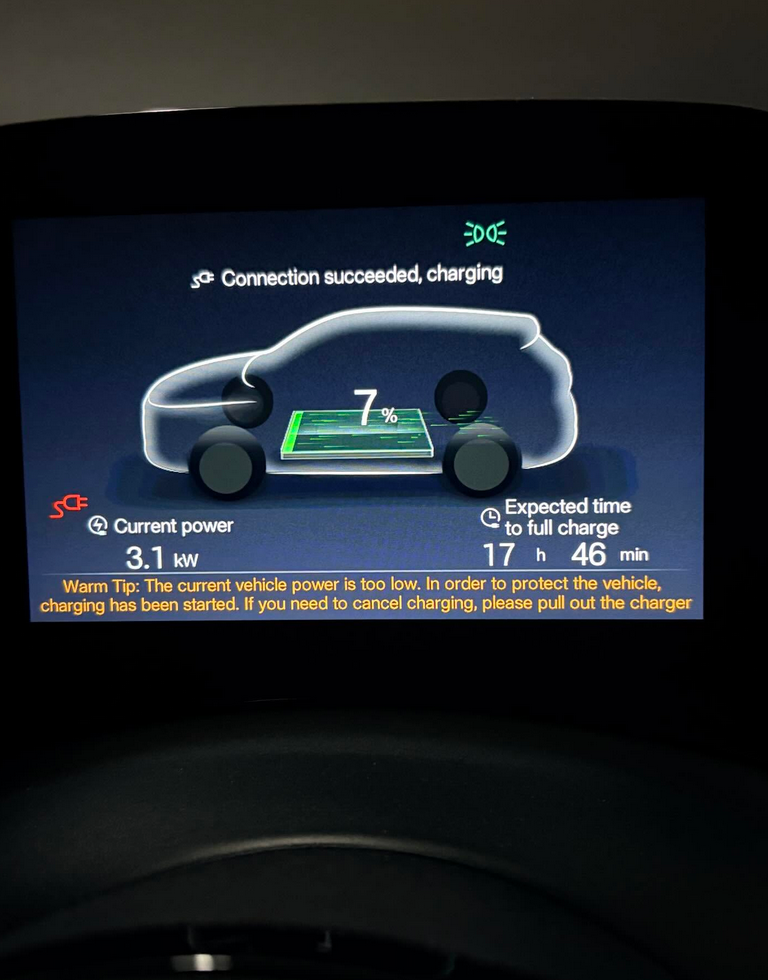
With the exponential growth of electric vehicles across Malaysia—fuelled by models like the BYD Atto 3, Tesla Model Y, and smart #1—high-rise residents face a critical logistical bottleneck: how to install a private EV wallbox in a multi-storey strata property. Unlike landed homeowners who enjoy direct access to their own Tenaga Nasional Berhad (TNB) meter, strata parcel owners must navigate shared electrical risers, common property bylaws, management approval, and stringent safety guidelines set by the Energy Commission (Suruhanjaya Tenaga - ST) and Jabatan Bomba dan Penyelamat Malaysia (JBPM).
At Amtech EV, our registered electrical engineers and certified wiremen have spearheaded hundreds of multi-dwelling residential EV installations nationwide. This technical masterclass delivers the exact regulatory framework, architectural pathway, wiring schematics, and realistic costing required to successfully install an EV charger in your condominium car park.
Understanding the Legal & Regulatory Landscape in Strata Properties
Installing an EV charging system in a strata scheme is governed primarily by the Strata Management Act 2013 (Act 757). Under Act 757, parking bays are either defined as "accessory parcels" (tied strictly to your strata title) or "common property" (allocated under an exclusive usage license). Altering any infrastructure between the main electrical distribution board (DB) and your parking bay requires explicit, written consent from the Joint Management Body (JMB) or Management Corporation (MC).
Under Section 59 and Section 84 of Act 757, the management body possesses a fiduciary duty to preserve common safety, ensure adequate insurance indemnity, and prevent unauthorized taps into common property utilities.
Furthermore, EV charger installations are strictly governed by technical standards prescribed by Suruhanjaya Tenaga:
- MS IEC 61851-1: Electric vehicle conductive charging systems (General requirements).
- MS IEC 62196-2: Dimensional interchangeability for AC pin and contact-tube accessories (Standard Type 2 Mennekes interface).
- MS IEC 60364-7-722: Requirements for special installations or locations supplying electric vehicles.
- Bomba Guidelines for EVCS (2023): Directives concerning fire isolation, emergency power cut-off buttons (EPO), and dry powder or sprinkler coverage near indoor parking zones.
The Three Electrical Connection Topologies for Condominiums
Before submitting any formal application to your Building Management, a site survey by a registered electrical consultant is mandatory to determine the appropriate power topology:
1. Direct Feed from the Owner's Unit Sub-DB
Technically ideal if your parking bay sits within 20 to 50 meters of your unit's electrical riser, and your unit's master supply has sufficient spare capacity. The EV wallbox ties directly behind your existing TNB domestic meter. Electricity consumed is billed directly under your personal TNB Domestic Tariff A account.
2. Tap-Off from Common Area Distribution Board with Dedicated Sub-Meter
If running heavy armoured cables from a 30th-floor unit to a basement parking lot is physically impossible or cost-prohibitive, power is extracted from the nearest Landlord Common Area DB. In this scenario, an MID-certified (Measuring Instruments Directive) digital sub-meter or a smart-card (RFID) billing unit is installed. You pay the JMB directly at the agreed commercial or domestic electricity rate.
3. New Dedicated TNB Direct Supply (Independent Meter)
For large developments or where existing common infrastructure is running near maximum demand (MD), the JMB may permit applying for a separate, dedicated TNB single-phase (32A) or three-phase (32A/63A) meter panel within the basement switch room. This requires a formal submission by an approved Competent Person (Orang Kompeten) registered with Suruhanjaya Tenaga.
Step-by-Step JMB/MC Approval Process
Securing approval from a skeptical management council requires a technically unassailable proposal. Follow this structured roadmap:
- Certified Feasibility Survey: Commission an Amtech EV engineer to evaluate parking lot cable routing, determine earthing pathways, and assess distribution riser capacity.
- Engineering Schematic Submission: Submit a Single-Line Diagram (SLD), cable schedule (specifying XLPE/SWA/PVC fire-rated cabling), and technical cut-sheets of the EV wallbox displaying SIRIM/CE certifications.
- Safety & Compliance Declaration: Provide evidence of Type B Residual Current Circuit Breaker (RCCB) or Type A RCCB paired with integrated 6mA DC residual detection, alongside a localized Emergency Stop (EPO) push-button.
- Insurance & Indemnity Undertaking: Provide a signed Letter of Indemnity indemnifying the JMB against third-party damage, supported by the installation contractor's Public Liability Insurance (minimum RM1,000,000 coverage recommended).
- Formal Execution & Commissioning: Perform pre-commissioning testing, earth loop impedance measurement (ensuring earth resistance reads below 10 Ohms for TT earthing systems), and provide the JMB with a Form G / Form H completion certificate.
Technical Infrastructure & Safety Requirements
EV charging involves sustained continuous loads drawn for 4 to 10 hours continuously. This load profile differentiates EV wallboxes from ordinary household appliances.
| Technical Parameter | Single-Phase (7.4 kW) Requirement | Three-Phase (11 kW - 22 kW) Requirement |
|---|---|---|
| Nominal Voltage & Current | 230V AC, 32 Amperes continuous | 400V AC, 16A (11kW) or 32A (22kW) continuous |
| Cable Specification | 3-Core (L, N, CPC) 6mm² or 10mm² Steel Wire Armoured (SWA) | 5-Core (L1, L2, L3, N, CPC) 6mm² or 10mm² Steel Wire Armoured (SWA) |
| Residual Current Protection | Type B RCCB (30mA AC / 6mA DC) OR Type A (30mA) + 6mA RDC-DD | Type B RCCB (4-pole 30mA AC / 6mA DC) or Type A (30mA) + 6mA RDC-DD |
| Circuit Breaker (MCB) | 40A Curve C MCB | 32A / 40A Curve C 4-Pole MCB |
| Earthing System | TNB PME or TT System with Earth Resistance < 10 Ω | Dedicated Earth Loop; Resistance < 10 Ω (Mandatory ST Guide) |
| Safety Switchgear | Lockable Rotary Isolator (IP65) + Emergency Stop (EPO) | Lockable Rotary Isolator (IP65) + Emergency Stop (EPO) |
| Fire Suppression Integration | Adjacent to Class A/B/C dry chemical fire extinguisher (JBPM) | Adjacent to certified fire extinguisher; within clear access of Bomba riser |
Comprehensive Cost Breakdown (Malaysia Context)
Transparency is vital when budgeting for strata EV installations. Cable distance through basement cable trays and core drilling through fire containment walls represent the largest cost variables:
| Item Description | Basic Setup (10m - 20m Run) | Complex Setup (40m - 80m Run) |
|---|---|---|
| Smart EV Wallbox (7.4kW - 22kW, Type 2, RFID, App, SIRIM) | RM 2,800 - RM 4,500 | RM 3,500 - RM 6,000 |
| Electrical Protection Switchgear (Type B / Type A+RDC-DD, MCB, IP66 Enclosure) | RM 850 - RM 1,400 | RM 1,200 - RM 1,800 |
| Armoured Cabling (XLPE/SWA/PVC), Conduit, & Galvanized Trunking | RM 600 - RM 1,200 | RM 2,500 - RM 5,500 |
| Core Drilling, Fire-Stopping Sealant, & Wall Penetrations | RM 0 - RM 300 | RM 600 - RM 1,500 |
| Labour, Professional Engineering Endorsement, Testing & Commissioning | RM 1,000 - RM 1,800 | RM 1,800 - RM 3,000 |
| Sub-Meter (MID Certified Digital kWh Meter) or RFID Billing System | RM 350 - RM 800 | RM 600 - RM 1,800 |
| ESTIMATED TOTAL INVESTMENT | RM 5,600 - RM 10,000 | RM 10,200 - RM 19,600 |
Note: Under Malaysian Budget announcements, taxpayers can claim an individual income tax relief of up to RM2,500 for expenses related to the purchase, installation, rental, or subscription of EV charging equipment, claimable through the 2027 assessment year.
Operating Costs: TNB Domestic Tariff vs. Commercial Common Tariffs
When charging from home, your cost per kilometer is significantly cheaper than public DC fast-charging networks like Gentari, ChargEV, or JomCharge (which average between RM1.20 to RM1.60 per kWh):
- TNB Domestic Tariff A (Unit Sub-DB): Tiered from 21.8 sen/kWh up to 57.1 sen/kWh. Fully charging a 60 kWh battery (e.g., BYD Atto 3) costs approximately RM30.00 to RM34.20 at the highest domestic bracket, yielding around 400 km of driving range (~RM0.08 per km).
- Common Area DB (Commercial Tariff B): Flat rate averaging around 43.5 sen to 50.9 sen/kWh plus ICPT surcharges. A full charge totals roughly RM26.00 to RM32.00.
- Public DC Fast Charging Comparison: A 60 kWh charge on an ultra-fast highway charger costs between RM72.00 and RM96.00. Home charging at condo level delivers 60% to 70% direct operational savings.
Frequently Asked Questions (FAQ)
1. Can the JMB legally reject my application to install an EV charger?
Yes. The JMB/MC has statutory authority under the Strata Management Act 2013 to govern common property. If your proposed installation compromises structural integrity, overloads building switchboards, creates a fire hazard, or fails to provide an equitable metering solution, they may reject it. However, presenting a certified engineering plan from Amtech EV accompanied by a qualified Wireman's endorsement, adequate insurance, and compliance with Bomba guidelines minimizes reasonable grounds for rejection.
2. Why is a standard 13A household 3-pin plug (BS 1363) discouraged for condo charging?
A standard 3-pin socket is designed for intermittent household loads (max 10A-13A peak, but not prolonged continuous draw). Pulling 10A (2.3 kW) continuously for 12 to 24 hours causes severe thermal stress, terminal degradation, and elevated fire risk in unmonitored basement environments. Suruhanjaya Tenaga strongly mandates dedicated Mode 3 EV wallbox systems featuring protective interlocks and hardwired industrial-grade circuits.
3. What happens if other residents also want EV chargers later? Will the electrical riser trip?
This is a common concern among building committees. When multiple EV chargers are connected, a smart Dynamic Load Management (DLM) system should be implemented. DLM continuously monitors total substation or riser load, automatically throttling individual car charging rates when building consumption peaks (e.g., 7:00 PM to 10:00 PM) and restoring maximum output overnight during off-peak hours.
4. Does my condominium building insurance cover an EV fire?
Standard strata fire policies cover structural building assets, but claims can be contested if an incident is traced to an unapproved, uncertified, or illegally tapped electrical installation. Securing JMB written consent, utilizing SIRIM-certified equipment, adhering strictly to Bomba EVCS standards, and submitting contractor public liability documentation ensures full insurance protection.
Conclusion: Partner with Amtech EV for Certified Turnkey Solutions
Installing an EV charging point in a Malaysian strata scheme requires technical accuracy, regulatory compliance, and diplomatic communication with management bodies. Cutting corners with unauthorized wiremen endangers lives and risks legal penalties under Act 757.
Amtech EV provides comprehensive turnkey services: from initial site feasibility and JMB technical presentations to certified installation, TNB liaison, and post-installation safety verification. Contact our engineering team today at amtechev.com to facilitate seamless home charging for your high-rise residence.